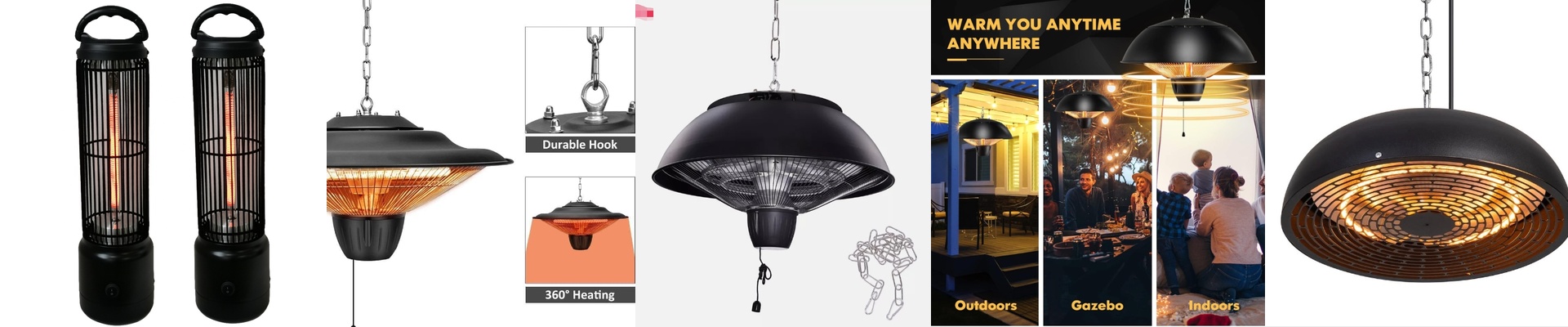
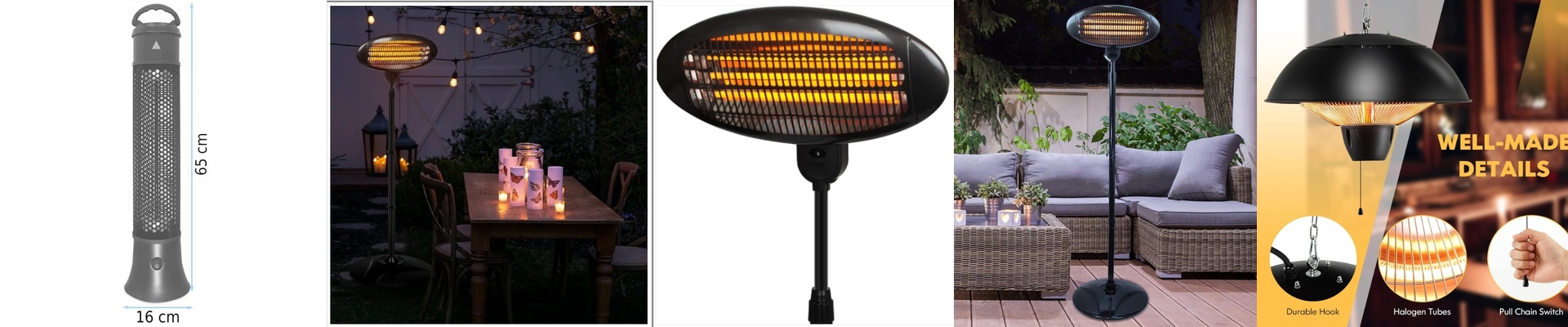



You settle in for an evening by the wall, expecting that soft glow and gentle warmth. Instead, you get that familiar dry prickle on your cheeks and hands—the kind that makes you reach for lotion even while you’re trying to relax. It’s the hidden downside of a lot of heaters: heat that feels fast, but leaves skin feeling stressed.
What matters, technically
We built this wall-mounted fireplace around skincare-minded infrared warmth, using a carbon fiber element and a tuned reflector to deliver radiant heat with high spectral purity. The heat goes straight to objects and people, without overheating the air. In practice, that means less convective dryness and a more even comfort profile across the room. The unit runs quietly—no fan noise—and the front stays cool enough to touch during normal operation. It’s meant for steady, repeatable performance: consistent background warmth, not a blast that fades fast.
Why it works in these spaces
In living areas where you’re sitting close—reading, talking, or just unwinding—infrared warmth matters because it respects how bodies actually experience comfort. Skin stays more comfortable, and the heat doesn’t feel harsh when you’re near the heater. Because the warmth is directional and focused, you get a cozy zone without turning the whole room into a sauna. That also keeps energy use predictable: you warm the people in the room, not the ceiling and walls.
The things you need to know
This wall-mounted fireplace needs a dedicated electrical circuit and proper clearances for safe operation. Installation is straightforward, but it has to be secured to structurally sound framing—drywall alone won’t cut it. And while the infrared spectrum is chosen for gentler comfort, anyone with heat sensitivity should start on the lowest setting and use the included thermostat to keep the environment stable. Warmth should soothe, not irritate. That’s the whole point.