


Why We’re Using 110V Infrared Lamps in the Bakery
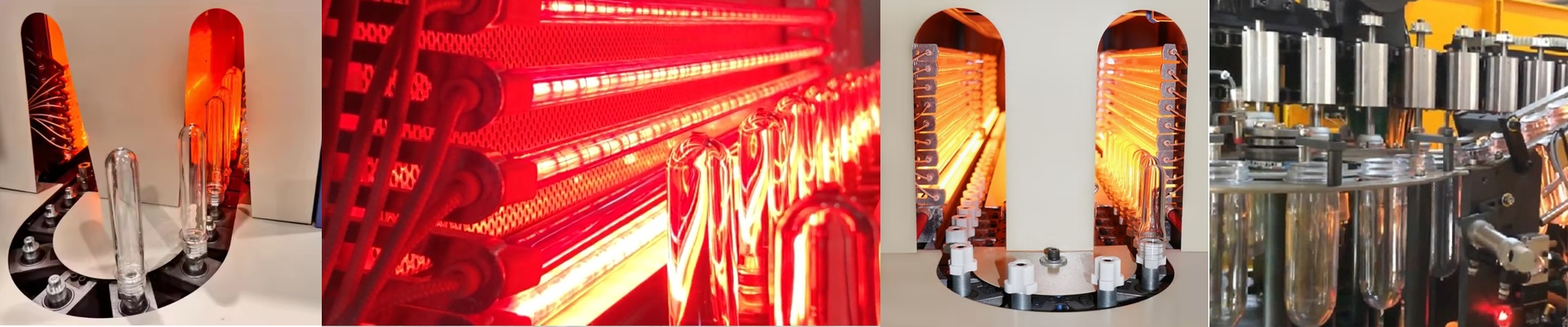
Most bread ovens work by heating up the air and hoping that heat eventually reaches the dough. It’s slow. We’ve found a better way. By switching to 110V infrared (IR) lamps, we stop worrying about the air and start focusing on the bread. The lamps send radiant energy straight into the surface of the dough. You aren’t wasting energy heating up every single inch of the oven cavity just to get a decent crust. The magic of radiant heat Since 110V is the standard for most commercial kitchens, these lamps fit right in. They use short or medium-wave emitters that kick in almost instantly. Think of it like standing in the sun on a cold day. You feel the heat immediately, even if the air around you is chilly. That’s exactly what’s happening here. Your crust forms faster, the bake cycle shrinks, and your electricity bill drops because you’re using fewer kWh per loaf. The nitty-gritty on the gear We use high-purity quartz glass for these lamps. Why? Because the temperature swings in a bakery are brutal. Quartz can handle that “thermal shock” without cracking under pressure. Some of our lamps even have a halogen gas fill, which just helps them last longer and put out more heat. But here is a heads-up:watch your wiring. These lamps pull a lot of current. If you cram a dozen of them into your oven ceiling without checking your circuitry, you’re going to trip breakers or, worse, melt your insulation. Make sure your electrical setup can handle the peak load before you flip the switch. Better for the planet (and your kitchen) Low-carbon baking is really just a fancy way of saying “stop wasting heat.” Traditional ovens bleed heat into the room, which makes your AC work overtime and turns the kitchen into a sauna. IR lamps are different. They focus the energy where it belongs. Plus, since they heat up instantly, you can skip those long, annoying pre-heat windows. Now, it’s not perfect. You lose a little bit of that “everywhere-at-once” uniformity you get from a massive convection fan. You’ll have to play around with the spacing to make sure you don’t end up with hot spots. But once you get the layout right? You’re moving more bread through the oven while wasting way less power.