Introduction
We built this gold-coated heat lamp for engineers who need serious infrared heat—fast, repeatable, and in a seriously tight space. Picture a pizza line. You want that thermal step shorter, but you can’t risk scorching the product. This lamp is made to hit the target temperature in a flash, keep the output steady, and keep working—even in the rough-and-tumble world of food equipment.
Technical Deep-Dive
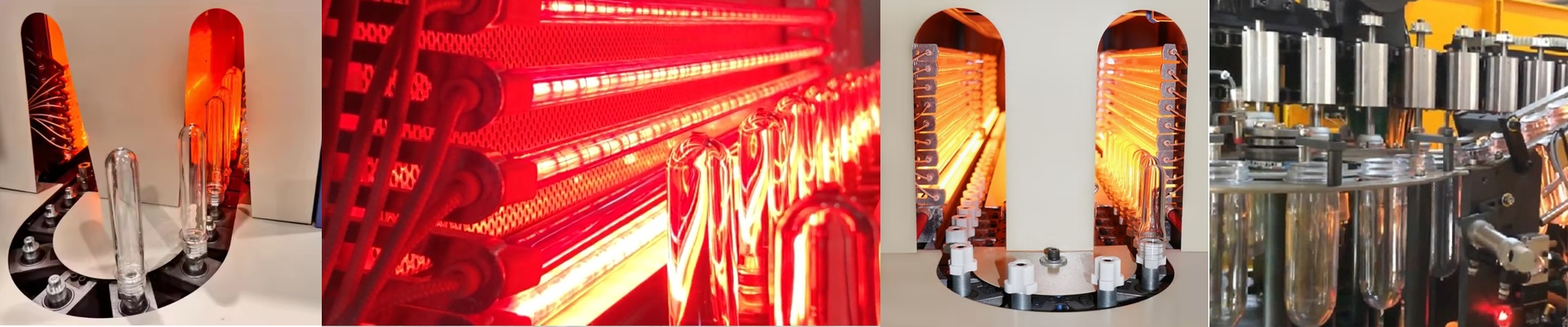
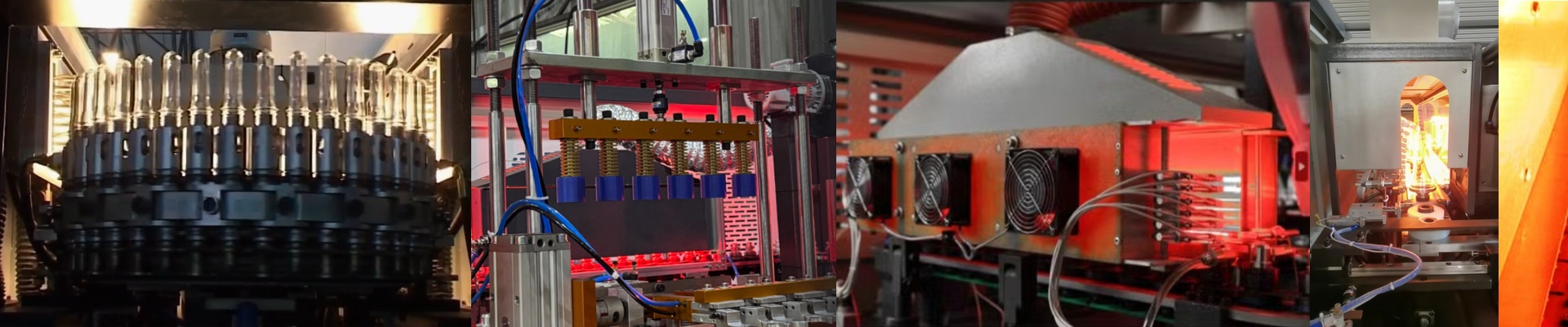
At the heart of it is a high-intensity halogen infrared source, built for a rapid temperature rise. It’s specced to deliver strong, controllable heat in a compact shape, so it fits into ovens and heating modules where space is at a premium. And that fast response? It’s not a slogan. It comes from the filament’s thermal mass and the quartz envelope, paired with a power profile that’s tuned for rapid on/off cycling. In real terms, you can cut the heating cycle in pizza production from 300 seconds down to 90. How? Less warm-up lag and more stable heat right where it matters—at the product surface. That means shorter dwell times while still getting consistent melt and browning, as long as the reflector geometry and airflow are matched to the line.
Material & Design
The gold coating sits on the inside of the quartz envelope. Its job is to shape the infrared spectrum and steer the heat exactly where you need it. This boosts reflectivity in the infrared range, so more energy couples into the product and less gets wasted heating the surrounding housing. The payoff is simple: more usable heat on the food, and less radiated heat cooking nearby components. We chose quartz because it handles high temperatures and stays clear even through repeated thermal shock. Inside, the halogen element keeps output stable over time. And the whole build is tough enough to take the daily grind of a production line—vibration, cleaning cycles, and constant thermal cycling.
Application & Benefits
On the shop floor, this lamp is a drop-in solution for reworking oven zones. The fast response gives you flexibility: you can increase line speed, or shorten the oven, and still stay inside the quality window. Because the heat is concentrated, you get higher heat density in a smaller footprint, which can simplify your machine layout. But here’s the catch: high heat density needs proper cooling and thermal isolation. If you don’t spec the cooling and shielding right, you’ll lose reliability—and risk overheating parts nearby. For engineers, the real win is control. You get to tune the heating profile to match the product. Not the other way around.