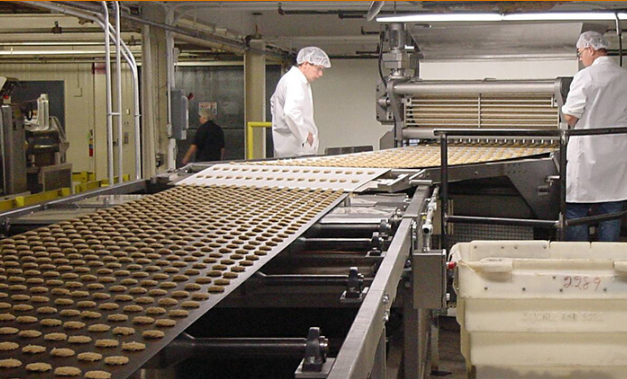
When service hits the rush, your oven can’t afford a slow climb to temp. A lagging heat-up stalls ticket times, and uneven heat makes consistency a constant chase from crust to center. We built our restaurant oven ceramic IR heater to cut that bottleneck where it starts. What matters under the hood Ceramic infrared heating throws targeted radiant energy that gets into dough quickly and evenly. The element hits target temperature in seconds, not minutes, and stays steady under heavy load. Matched with a responsive thermostat, you get tight control across the baking chamber—whether you’re running a deck oven, rotary oven, or a high-volume convection line. In practice, that means fewer under-baked centers and less time spent rotating pans. Here’s why it works in a real service. Fast recovery means faster cycles. You can fire pizzas or artisan loaves back-to-back without waiting for the oven to come back to temp, so the line keeps moving and idle time drops. Precision control supports consistent caramelization and crust development, so quality holds shift after shift. You’ll also see energy use drop, because the heater delivers heat on demand and wastes less on warm-up and cool-down. A few field-tested details. Ceramic IR performs best with a clean oven and proper airflow. Heavy grease buildup can reflect onto the element and mess with output. Installation needs attention to mounting clearances and voltage specs—check the oven’s wiring diagram and confirm the connector type before you swap. Handle the element by the housing, not the ceramic face, and let the oven cool before inspection. Plan a short training segment on the new heat profile. Once the team gets the hang of it, the gains in speed and repeatability show up where it counts—on the ticket board.