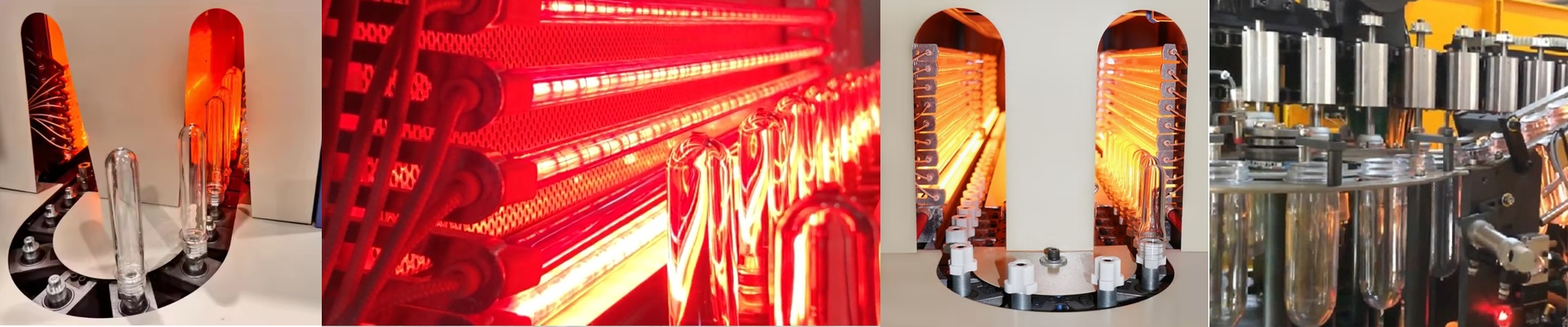
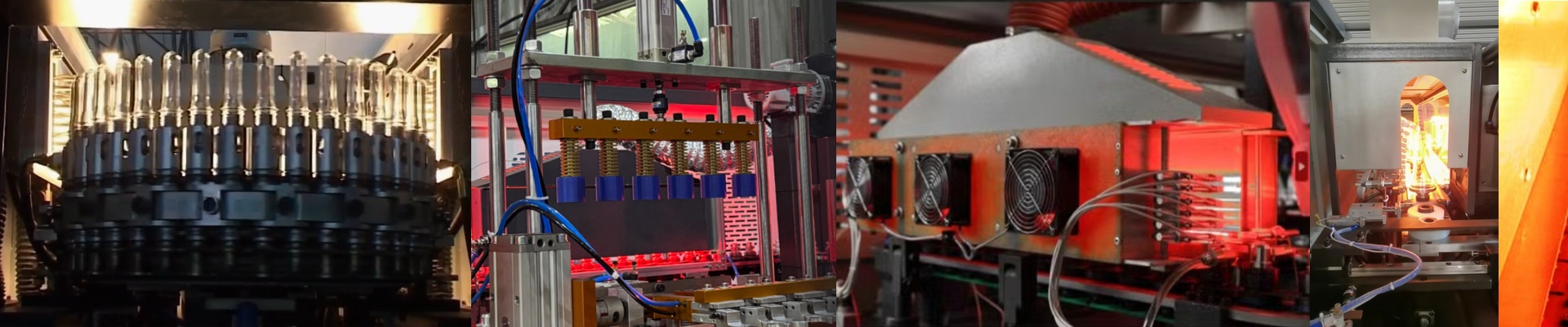
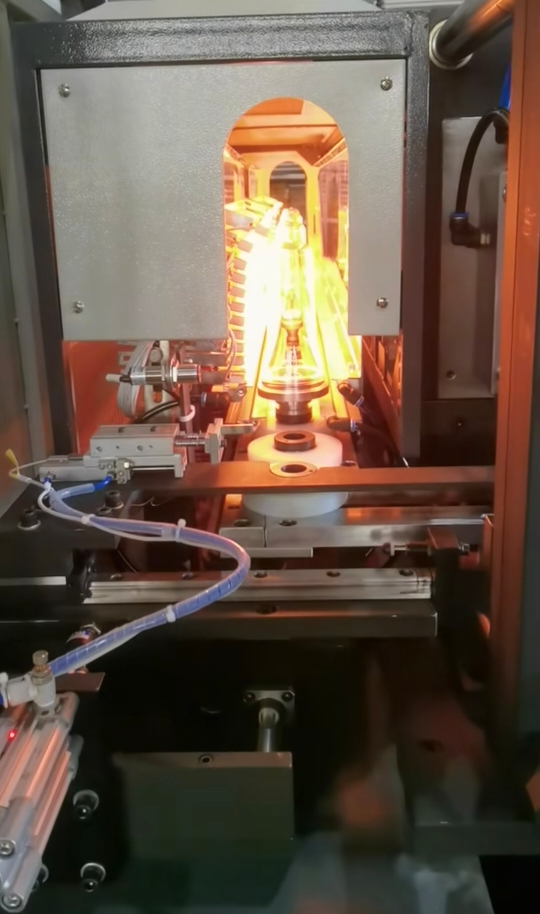
On a blow molding line, the heating tunnel is where you win the day—or lose it. Let the preform temperature drift, and you’re staring down weak necks, blown seams, or a sudden spike in scrap. On the Sidel SBO Series 2, the heating bulb is the control point that keeps the profile honest. We designed it to match the machine’s thermal behavior, so you’re not chasing temperature swings just to keep the line running. What actually matters, technically The Sidel SBO Series 2 heating bulb is a short-wave infrared halogen emitter, built for fast response and tight control. It runs at the voltage and wattage the machine expects, and it uses the correct R7s connector and overall length, so it drops straight into the existing socket and reflector. The quartz envelope gets the infrared energy through efficiently, heating the preform surface directly instead of wasting time heating air. That matters because air-heavy heating is slow to settle; infrared locks on to the preform and recovers quickly after a jar change or a brief stop. We set the filament geometry and coating to deliver repeatable output across the heating zone, so the temperature curve stays consistent shift after shift. In stretch blow molding, the preform needs a sharp, repeatable gradient from neck to parison. This bulb hits that profile with less warm-up drift, so you can run faster cycles without scorching the neck or leaving the stretch zone cold. The payoff is fewer pinholes, better biaxial orientation, and less scrap from brittle or overstretched bottles. Because the bulb matches the OEM thermal tolerances, the heating section doesn’t fight the machine’s control logic—output stays stable, and energy draw is predictable. Installation is straightforward, but the reflector condition matters. If the reflector is oxidized or out of alignment, you’ll lose irradiance and end up with uneven heating—even with a good bulb. Replace the bulb with the machine powered off, make sure it seats properly and the connector makes solid contact, then verify the temperature profile after restart. Keep in mind, it has a finite service life under high output; running at the top end of the temperature window shortens it. Plan replacements around your PM windows, and you’ll avoid the kind of unplanned downtime that ruins a run.