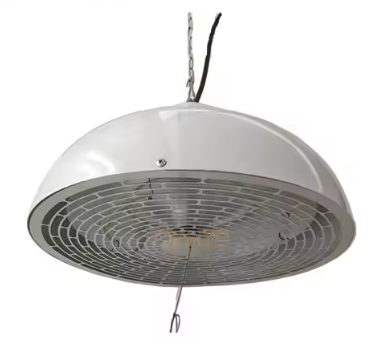
What Makes a Standing Patio Heater Actually Work
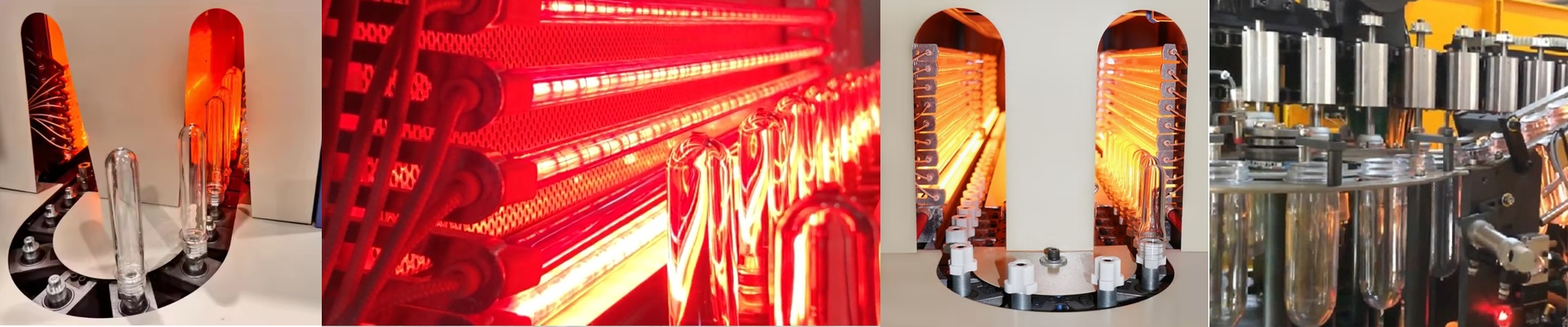
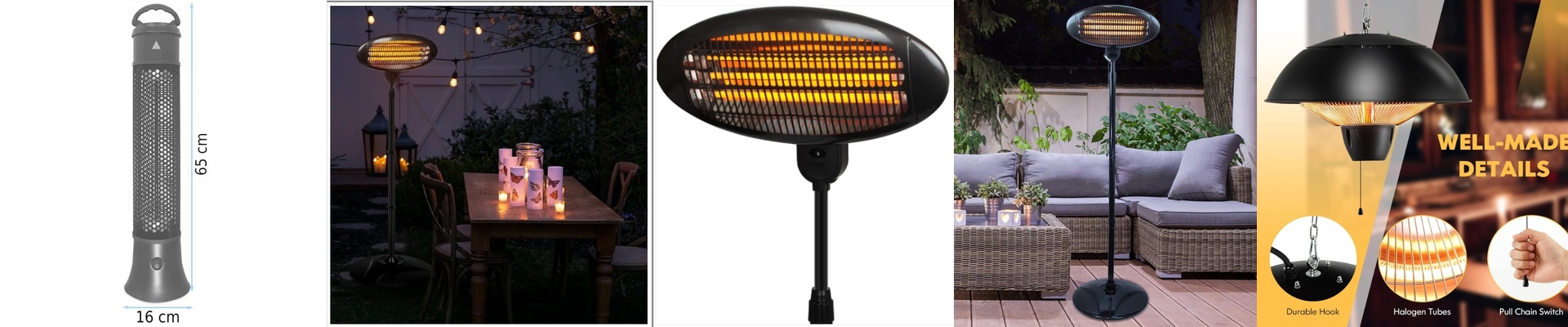
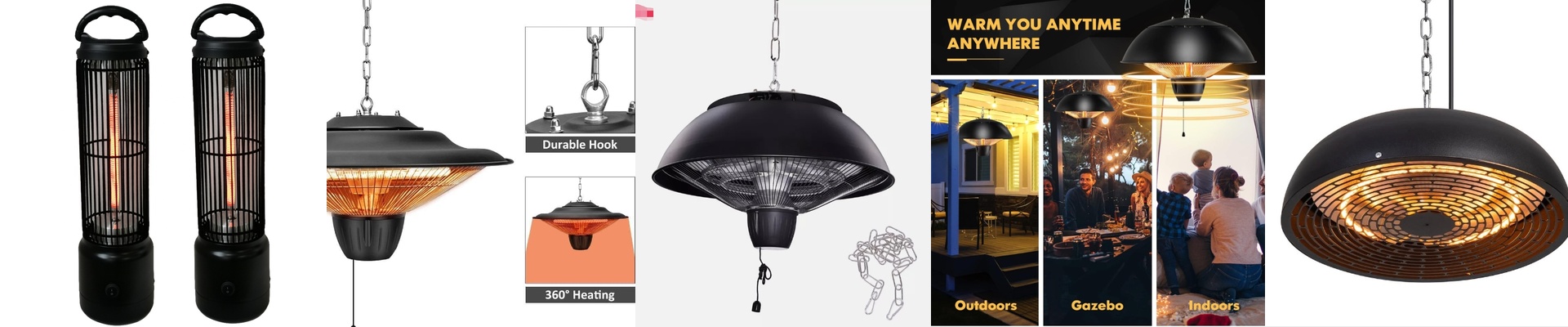
Here’s the heart of the matter: we build standing patio heaters around a quartz halogen emitter that cranks out serious heat. The whole point is radiant warmth—sending the energy straight to people and surfaces, not wasting it on the air around you. That’s why you get a lot of heat from a relatively small footprint, which is perfect for open, commercial outdoor spots.
Power, Voltage, and Size—Plain Talk
Most units run on 230V and pull 2000W, packing a lot of heat into a compact package. The quartz tube is typically around 300mm long—a sweet spot that gives you enough surface area without making the heater feel sluggish when you switch it on. For industrial setups, there’s a 400V option. It’s handy when you need longer heater runs with less current per leg, so you can keep voltage drop down and use smaller wiring. When you pack more wattage into the same tube length, watt density goes up. That means the reflector and housing have to be designed to handle the extra heat and keep everything running cool.
Materials and Design—Built to Stay Steady
The quartz halogen element keeps its output steady over time thanks to the halogen cycle, which helps regenerate the filament. The quartz tube itself is chosen for serious thermal shock resistance, so it can handle rapid on/off cycles without blinking. A reflective coating on the back of the tube pushes infrared forward, so more of the heat goes where you need it. And the R7s connector? It’s a standard bi-pin interface that locks in solid, handles high current safely, and makes the lamp a quick, drop-in replacement when it’s time for maintenance.
How It Feels in Real Outdoor Use
In a standing patio heater, this setup delivers instant-on radiant heat that cuts right through wind chill, especially at floor level. The quartz halogen system stays consistent, and the R7s base keeps replacements simple. Just keep the practical side in mind: the intense heat means you need proper mounting clearances and a properly rated supply circuit. And without enough ventilation, nearby materials can get pretty warm.