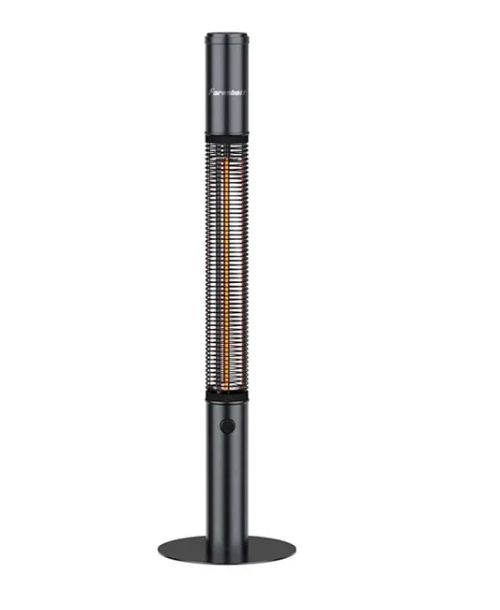
Step out of the shower and the air hits you — a reminder that warmth isn’t a perk, it’s part of the routine. In a bathroom, a heater that hesitates doesn’t just leave you cold. It makes you rush, shiver, and second-guess a space that should feel like a quiet reset.
What matters under the hood
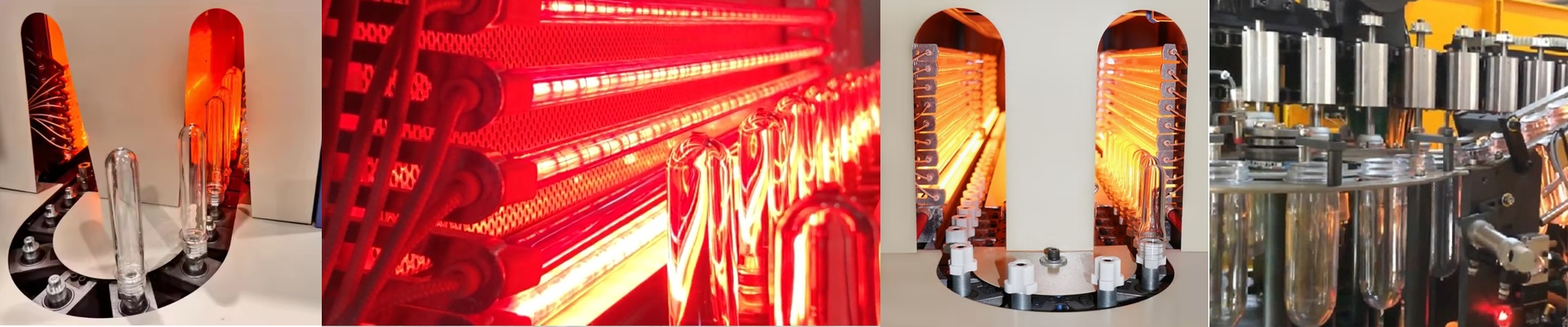
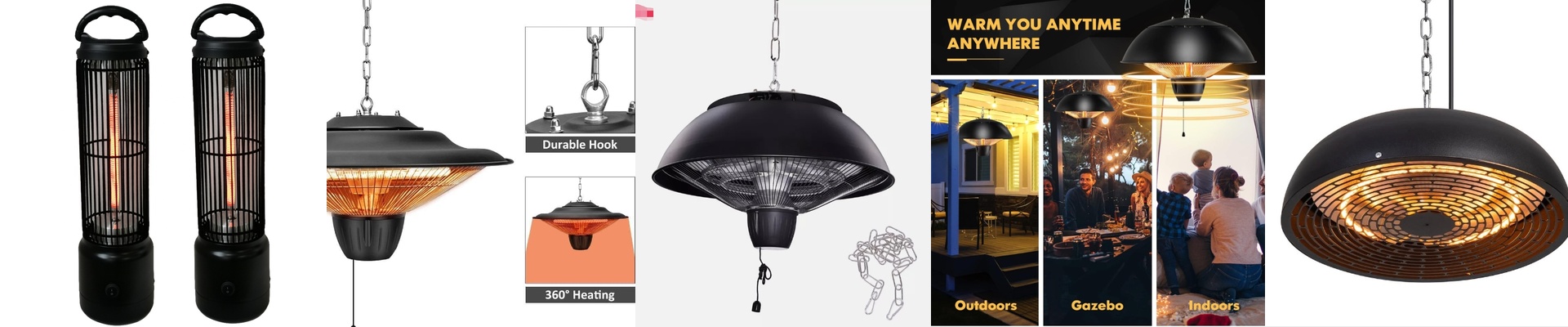
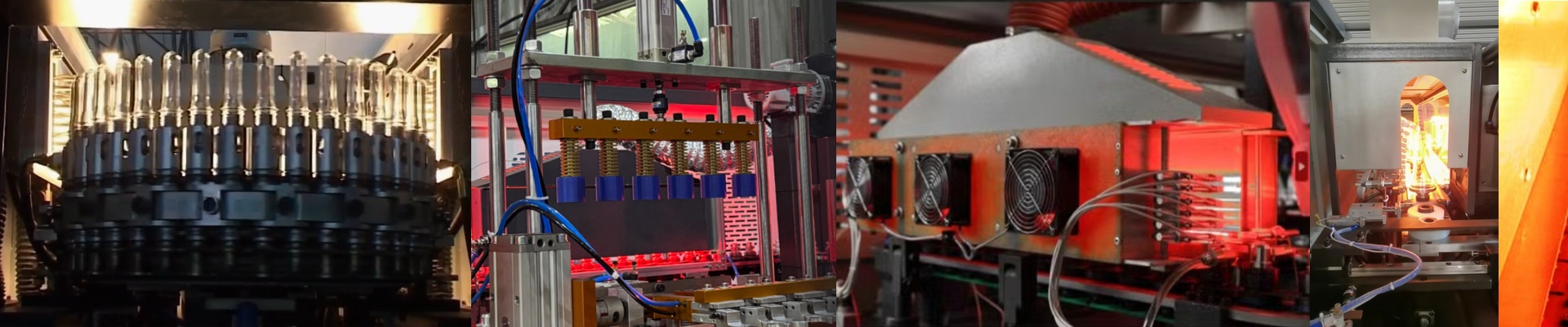
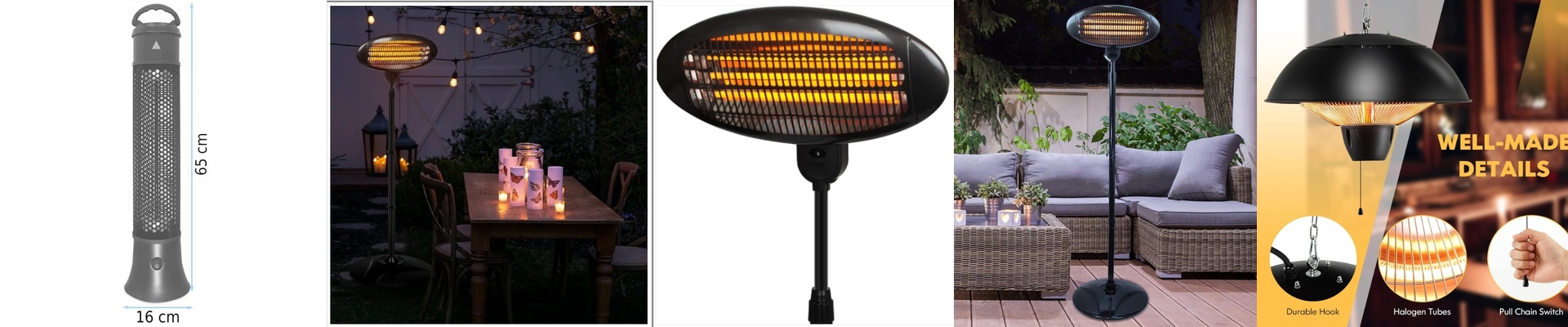
Our bathroom infrared heaters run on 12V or 24V. That lower voltage keeps current down and the system safer in a tight, wet environment. The radiant heat comes from a sealed quartz element, so warmth hits your skin and towels immediately, without waiting to warm the room air first. You get a targeted, even glow that feels natural, not forced.
Why bathrooms are the proving ground
Bathrooms are the hardest room for any heater: steam, condensation, and fast temperature swings put every seam and circuit to the test. So we run every unit through humid, high-moisture aging tests — cycling it in controlled湿热 conditions to mimic years of steamy mornings. We watch for output drift, corrosion on terminals, and any weakness in the seals. That process is how we stand behind the performance: heat that comes on fast, holds steady, and stays consistent season after season.
The practical details that make it work
Match the heater to a properly rated low-voltage supply, and follow the wiring guidance for your switch and thermostat. Infrared warmth does its best work when aimed at the body and towel zones, so placement matters. Direct exposure gives the fastest comfort; indirect coverage feels gentler. One thing to keep in mind: radiant heat warms surfaces and people directly, so the ambient air can still feel cooler outside the beam. Keep the unit clear of obstructions, and choose a model rated for bathroom use to guard against moisture intrusion.