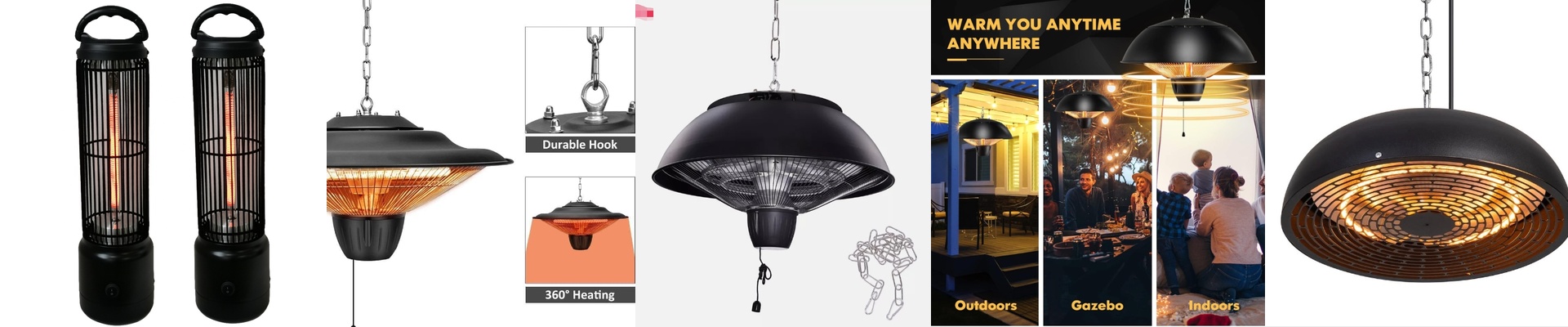
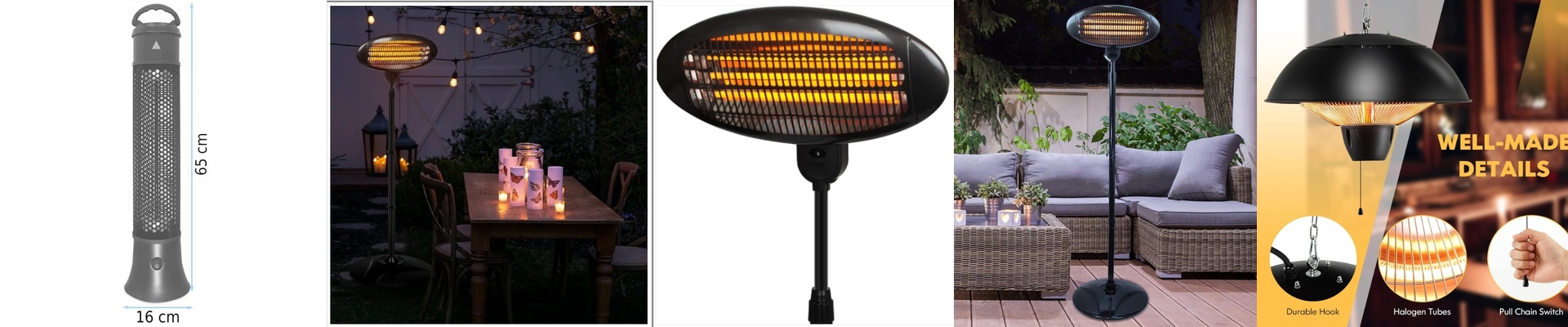
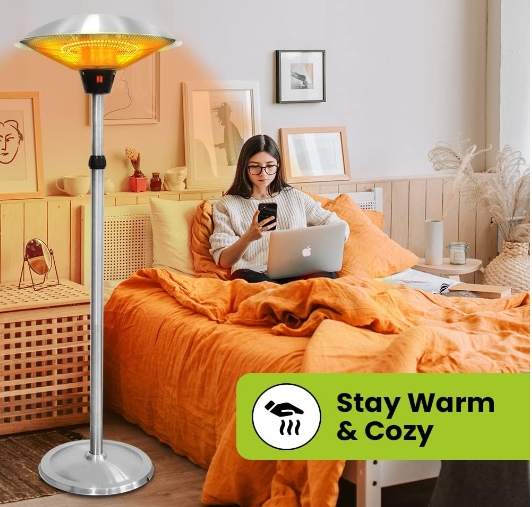
Cold evenings have a way of clearing a patio that should be full. Guests drift inside, conversations get cut short, and the outdoor season ends earlier than it should. When the heat doesn’t show up, the space doesn’t work. We built our bulk patio heaters to keep warmth where it belongs—outside, around people, and steady enough to handle a service rush without fading.
What matters, technically
Infrared patio heaters deliver comfort by radiating heat directly to people and surfaces, not by trying to warm the air. The efficiency question comes down to the heating element and how cleanly it turns electricity into usable infrared warmth. We spec our units around a high-purity quartz tube and a dense carbon fiber element, because they come up to temperature fast and hold a stable output. That headline figure—99.8% electric-to-radiant conversion—means almost every watt you pay for becomes radiant heat you can feel. In practice, the heater gets up to temperature quickly, so there’s no long wait before guests arrive, and the warmth stays consistent instead of cycling on and off. You get immediate, directional heat with less energy lost to air movement.
Why this works in real conditions
Outdoor heating only earns its keep when conditions are honest: wind, humidity, and crowds that come and go. Radiant heat cuts through drafts because it doesn’t rely on the air to carry comfort. On a patio, that means more seats stay filled longer, fewer complaints when the temperature dips, and a smoother experience during service peaks. Bulk setups also run cleaner when you standardize on one infrared platform. Wiring stays simpler, placement becomes repeatable, and training, maintenance surprises, and spare-parts complexity all drop. The payoff is a comfort system you can count on, with operating cost that stays under control.
The practical details
For the best results, mount infrared heaters 6–10 feet above seating areas and angle them to cover the main gathering zones. Clearance to combustibles needs to follow the label, and the heaters should be protected from direct water spray—match the IP rating to the site. Because radiant heat warms objects directly, comfort comes down to line-of-sight; shaded corners will feel cooler, so plan coverage the same way you plan lighting. One trade-off to own: infrared heat feels great, but it won’t warm cold air. In very open, windy spots, pair the heaters with wind screens or partial enclosures to keep the warmth where you want it.