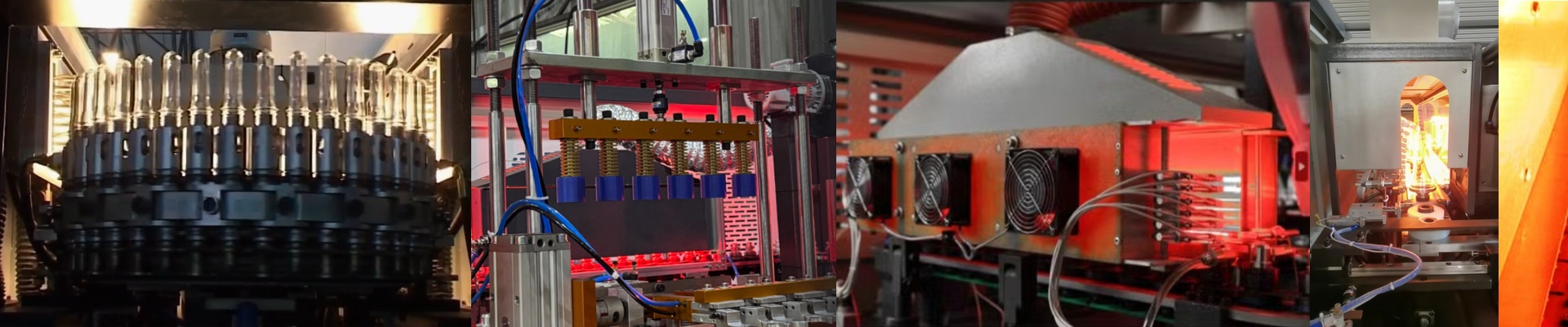
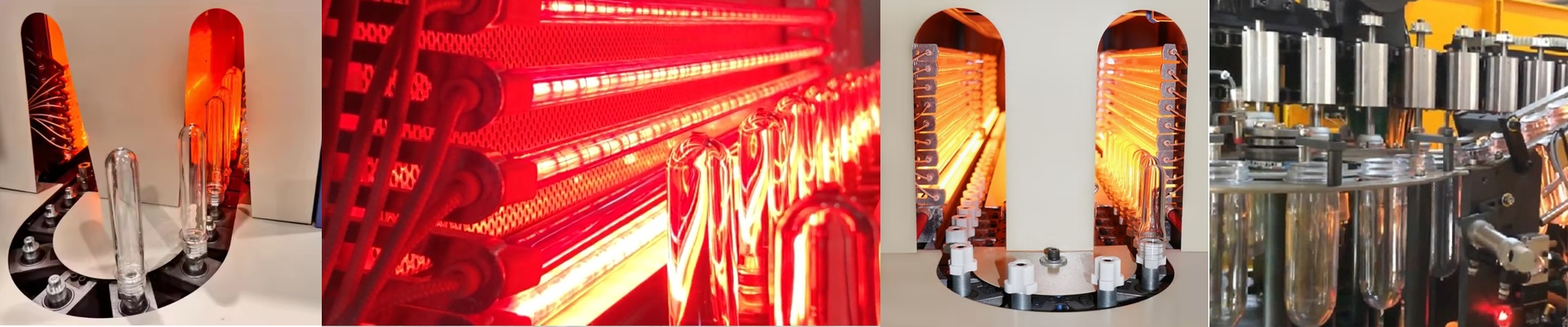
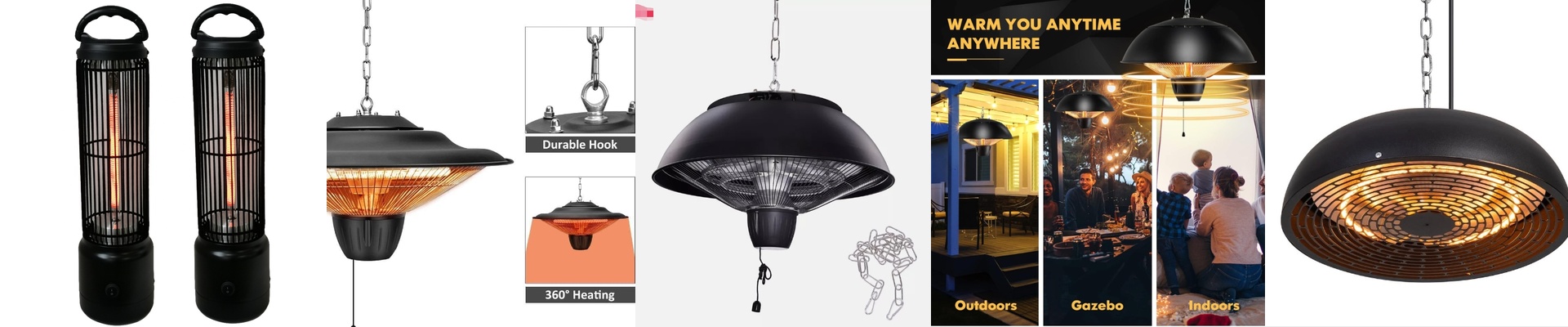
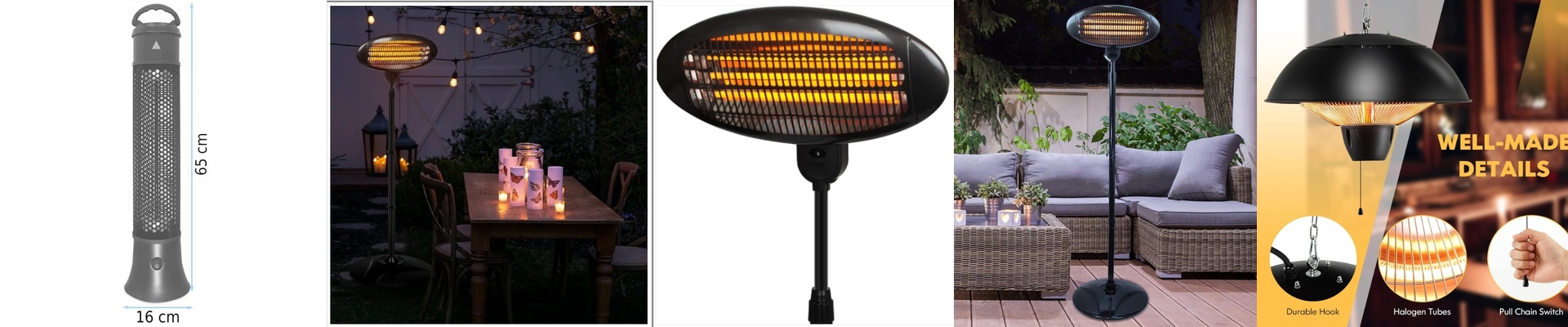
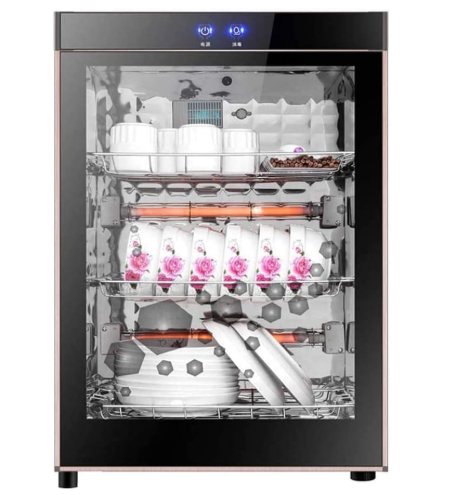
When the top crust burns before the crumb catches up, the oven isn’t the problem—your heat delivery is. In a busy bakery, a tired heating element drags bake times, makes proofed dough miss its window, and turns consistency into a crapshoot. Swap in a replacement quartz tube, and you get the thermal behavior your deck oven was built for. What actually matters under the hood Quartz infrared elements come up to temperature fast because the filament hits operating heat almost instantly—no warm-up lag. That translates to repeatable control over the baking chamber, and the short-wave output hits the dough surface directly for clean caramelization. We spec these tubes to match common oven power and voltage setups, and they fit standard mounting brackets and terminals so the heat lands where it should—across the stone hearth, not in hot spots. Why this matters in a deck oven In a deck oven, heat has to move quickly and evenly from the element to the hearth, then into the loaf. With a fresh quartz tube, you get tighter temperature stability across the baking chamber, so crust color stays consistent tray to tray. Bake cycles shorten because the element responds immediately to the thermostat, and that keeps proofed dough on schedule. You also cut energy per bake because you’re not over-running the element to make up for weak output. A few shop-floor realities Installation is straightforward, but quartz is brittle—support it fully during mounting and keep oils and cleaning solvents off it; contamination can create hot-spot stress. Match the tube wattage and dimensions to your oven’s specs, and double-check reflector clearance so the heat pattern stays uniform. Treat it right, and the tube will deliver steady infrared output through thousands of bake cycles.