Why the Best Bakers Lean on Quartz Infrared Heating
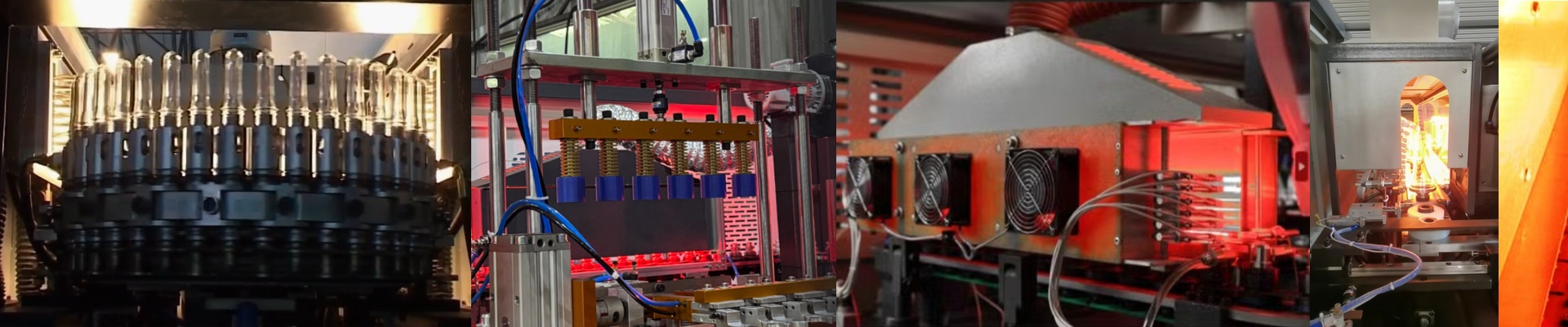
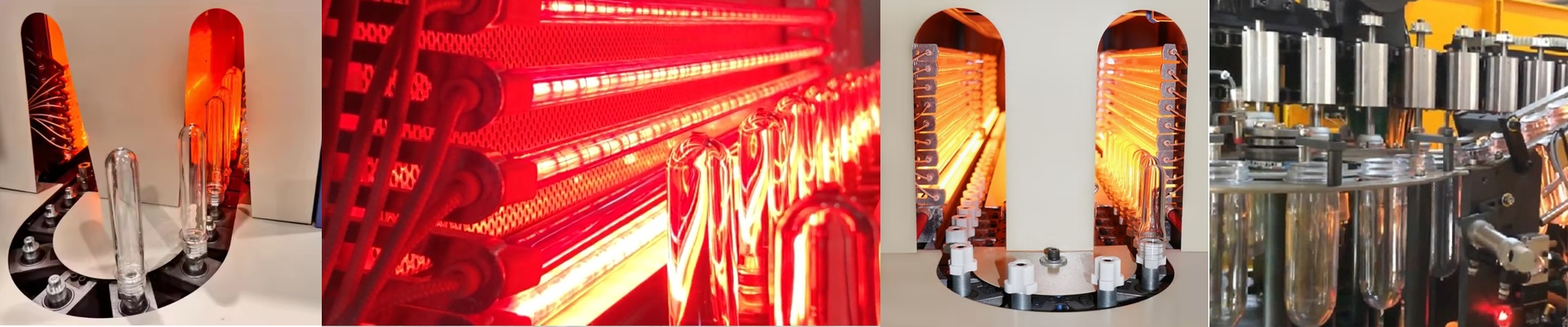
If you’ve ever wondered why some bakery loaves have that perfect, shattered-glass crust while others just feel… okay, it usually comes down to how they’re heated. Most people think convection is the gold standard, but the pros? They’re using quartz infrared (IR) tubes. Here’s the thing: traditional coils spend a lot of time just heating up the air around the bread. Quartz is different. It sends out short-wave radiation that hits the dough directly. It’s a much more aggressive, honest kind of heat.
The magic inside the glass
We wrap a tungsten filament in high-purity quartz glass. Why? Because the IR radiation just slides right through it without getting stuck. The best part is the speed. You aren’t standing around for twenty minutes waiting for a massive metal chassis to warm up. You flip a switch, and you’re at operating temperature almost instantly. It saves a ton of time and a lot of frustration. Because the heat is so concentrated, you can get that beautiful, golden-brown Maillard reaction on the crust without accidentally turning the inside of your bread into a crouton. It’s all about hitting the surface hard and fast.
Getting the specs right
It’s a bit of a balancing act. We design these tubes for rapid cycling, but you have to be careful with the wattage. If you jam too much power into a short tube, you’ll get hot spots. Nobody wants a loaf that’s burnt on the edges and raw in the middle. We spend a lot of time tweaking the wattage-per-centimeter so the heat spreads evenly across the whole tray. Then there’s the voltage. Higher voltage means you can use thinner wires, but it’s tougher on the filament ends. And since baking involves a lot of steam, you have to keep your seals tight. If a stray drop of moisture hits a screaming-hot quartz tube, it can crack. It’s just the nature of the beast.
Keeping things running
We made these as simple drop-in replacements. No one has time to tear down an entire oven in the middle of a Saturday morning rush. If a tube burns out, you just pull the old one, plug in a new one, and get back to work. Just make sure your controller can handle the quick on-off switching so you don’t get any annoying flickering. It’s simple, fast, and keeps the oven humming.