Stop Fighting Your Heaters: Why Modular Design Actually Matters
If you’ve ever had to fix an infrared heater hanging 10 meters in the air, you know it’s a nightmare. It’s not just about the broken part. It’s the cost of renting a scissor lift. It’s the annoyance of blocking a production line for half a day. It’s just… a lot of wasted time. We got tired of that headache, so we stopped building integrated units and started building modular ones.
The Truth About Wear and Tear
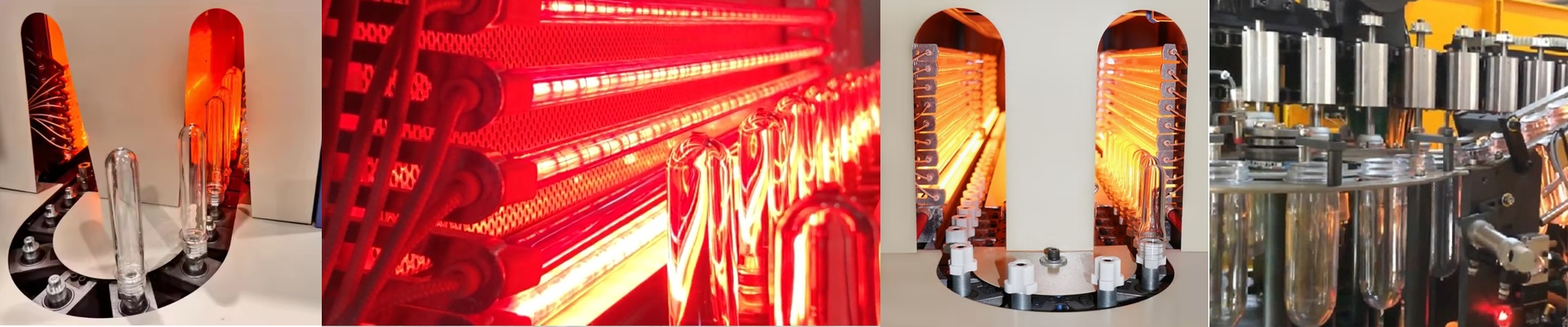
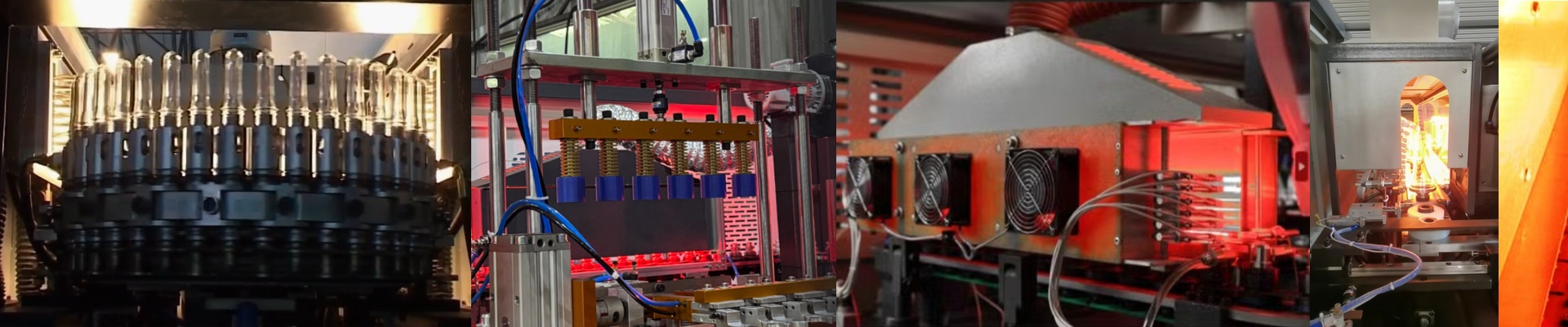
Here’s the thing: infrared tubes don’t last forever. After about five years of constant use, they start to fade. Some just stop working entirely. In a typical setup, replacing one tube is a project. You’re stuck up on a lift, dismantling the whole housing or messing with wiring in a junction box while trying not to drop your tools. It’s tedious. We do it differently. We treat our modules like “drop-in” replacements. The heating element lives in a quick-release cassette. You pull the dead one out, slide a fresh one in, and lock it down. No soldering. No wiring nightmares. Just click and go.
The Trade-offs (Because Nothing is Perfect)
Now, look—modular designs mean more connection points. In a world of hard-wired systems, more plugs usually mean more places for electrical resistance to creep in. To fix that, we use heavy-duty, high-temp industrial connectors. They’re built to handle the chassis expanding and shrinking as it heats up and cools down without shaking loose. The trade-off is simple: you get incredibly fast swaps, but you have to actually check those locks during your yearly walk-through. If a module isn’t seated right, you’ll end up with cold spots on your floor.
Making the 5-Year Mark Easier
When your facility hits that five-year mark, you shouldn’t have to rip out your entire heating array. That’s overkill. With a modular setup, you only swap the tubes that are actually failing. It keeps your maintenance window tiny. You spend way less time hovering in the air and a lot more time actually running your business.