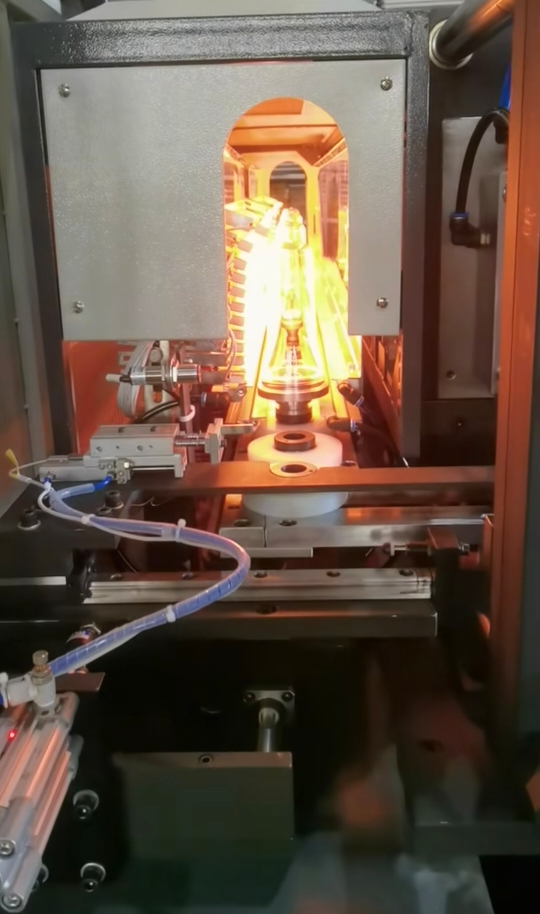
Can new IR lamps actually wake up an old Sidel machine?
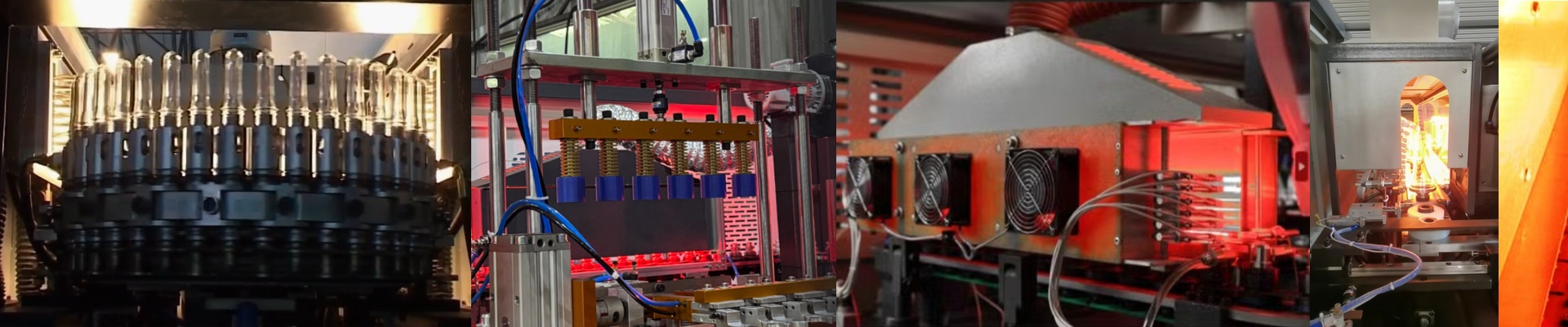
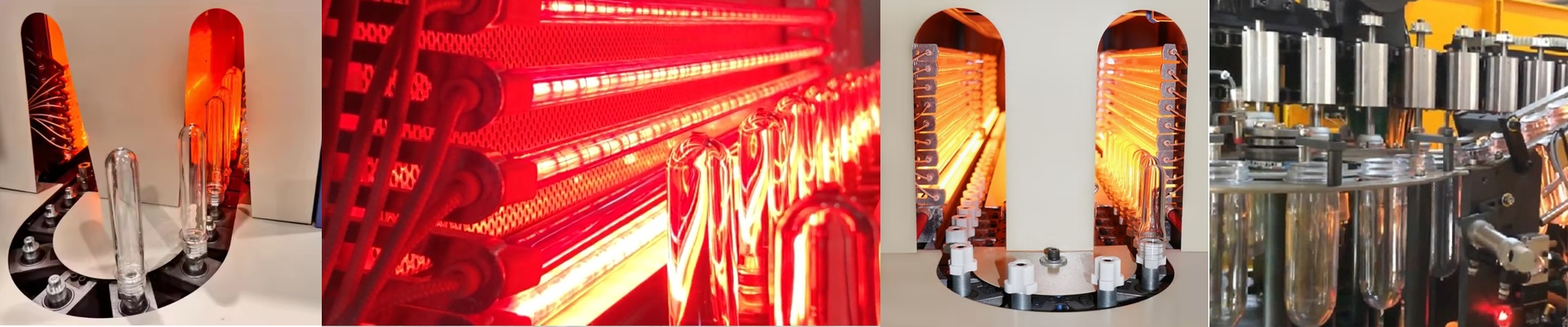
Let’s be honest: most shop floors have that one old Sidel blow molder that’s just… tired. It’s slowed down. The cycle times are creeping up, the preforms aren’t heating evenly, and it feels like the machine is fighting you. Usually, the first instinct is to start shopping for a brand-new machine. But before you drop a fortune on a replacement, look at your IR lamps. More often than not, that’s where your bottleneck is hiding. The deal with heat density Here is the thing about IR lamps: they lose their punch as they age. The filament wears down, the heat drops, and suddenly your production crawls. We build our replacement lamps to hit—or even beat—the original factory specs. If you’re running a high-voltage setup, you get a much tighter, more intense heat density. This means your preforms hit that perfect blowing temperature faster. It might only be a fraction of a second saved per cycle. But over a 24-hour shift? Those fractions turn into thousands of extra bottles. That’s a lot of extra product without buying a new machine. Better glass, better heat We use heavy-wall quartz glass for a reason. It keeps the tubes from bowing when things get hot. Plus, we use a halogen cycle to stop the filament from evaporating too quickly, so you aren’t replacing these things every few weeks. Some of our lamps also have a special coating. It helps the heat sink deeper into the PET walls instead of just hitting the surface. No more “cold spots,” which means no more weird wall thickness variations in your finished bottles. Getting them in (and a quick warning) Installation is a breeze. We use standard R7s or Sk15 connectors, so you can just plug them into your existing holders. No rewiring, no hacking into the machine, no headache. It’s a direct swap. But wait—there is one catch. If you decide to jump to a higher wattage lamp to squeeze out more speed, you’ve got to check your cooling fans. More power means more ambient heat in the oven. If your vents are clogged or your airflow is weak, you risk cooking your electronics. Just double-check your airflow first. Once you know the air is moving, you’re good to go.