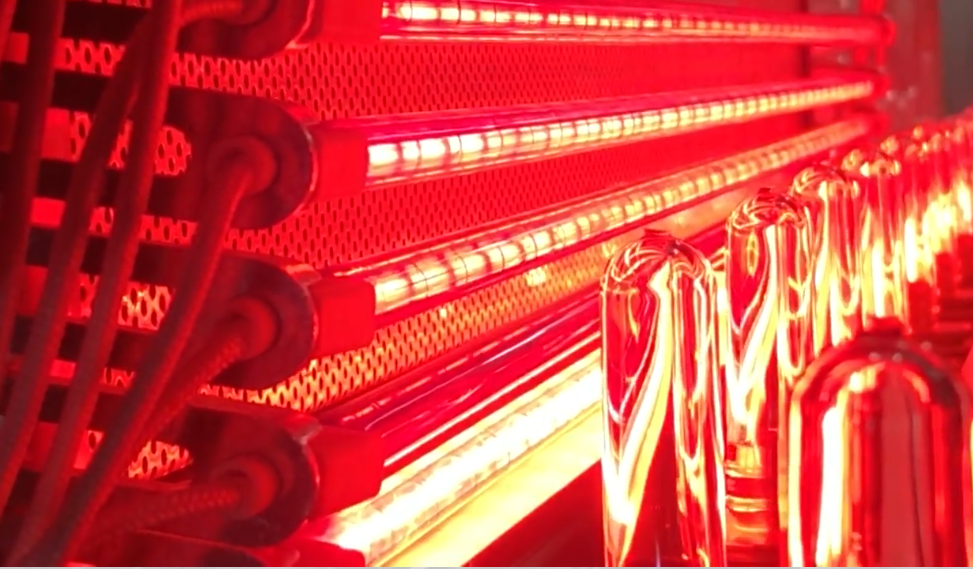
Getting Your KHS Blow Molding Heat Right
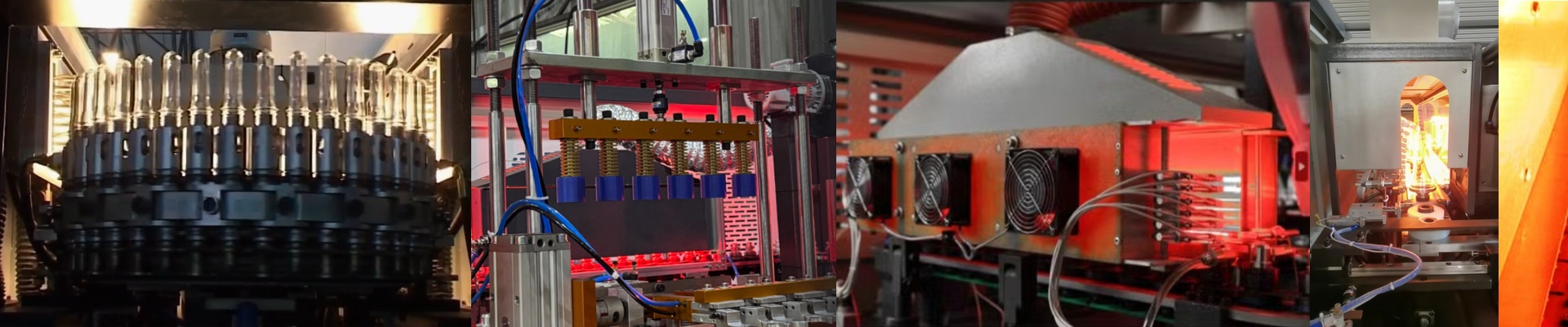
Ever pull a PET bottle off the line and see those annoying cloudy patches or realize the walls are way too thin in some spots? It’s frustrating. Usually, it comes down to your heating lamps. As they age, they stop hitting the same notes, and your heat distribution goes out the window. You don’t need to rip out the whole oven assembly to fix this. Swapping in some high-spec quartz softening lamps usually does the trick. It lets you tighten up that thermal field without a massive teardown.
It’s All About the Balance
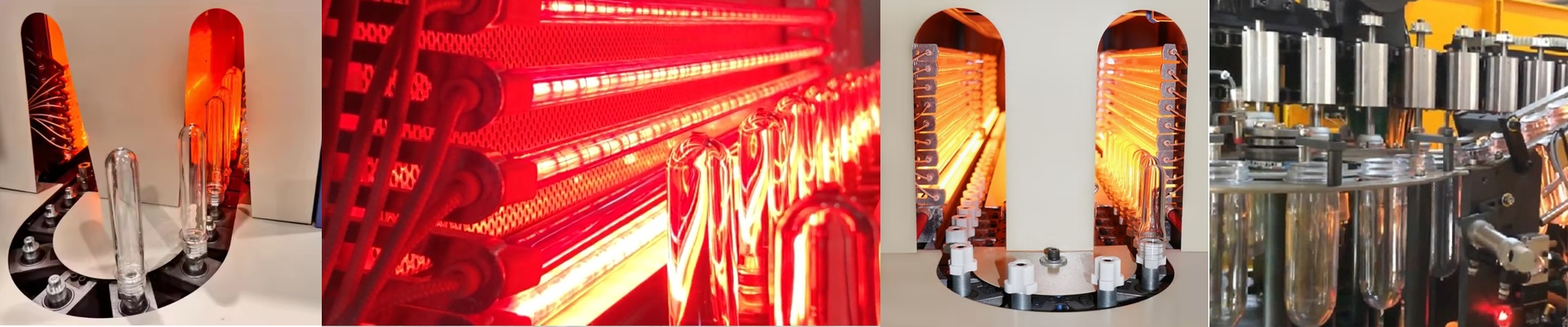
Here is the thing: getting a preform to that perfect softening point isn’t about blasting it with as much heat as possible. It’s about the ratio. Our lamps are built specifically for KHS footprints, focusing on high-intensity shortwave infrared. We use high-purity quartz glass because it actually lets the heat sink into the PET or PC material. The mistake I see a lot is people cranking up the wattage to fix a cold spot. Don’t do that. You’ll just end up scorching the preform. It’s about where the heat goes, not just how much you have.
The Nitty-Gritty
We keep things simple with the hardware. Whether your machine uses R7s or SK15 connectors, these are drop-in replacements. They just fit. We also make sure the tungsten filament is centered perfectly. If it’s off by even a hair, you get “hot spots” along the tube. For those of you dealing with thicker preforms, we have some models with a special coating that shifts the emission spectrum to help the heat penetrate deeper.
Real World Advice
These lamps are tough. They can handle the constant shaking and heat cycles of a 24/7 line without flinching. But a quick heads-up: if you go for maximum heat density, your oven’s ventilation has to keep up. If your cooling fans can’t pull that extra ambient heat away from the electronics, the oven gets too hot. When that happens, your preform overstretches. Just keep an eye on your airflow. Balance the power with the breeze, and your process stays stable.