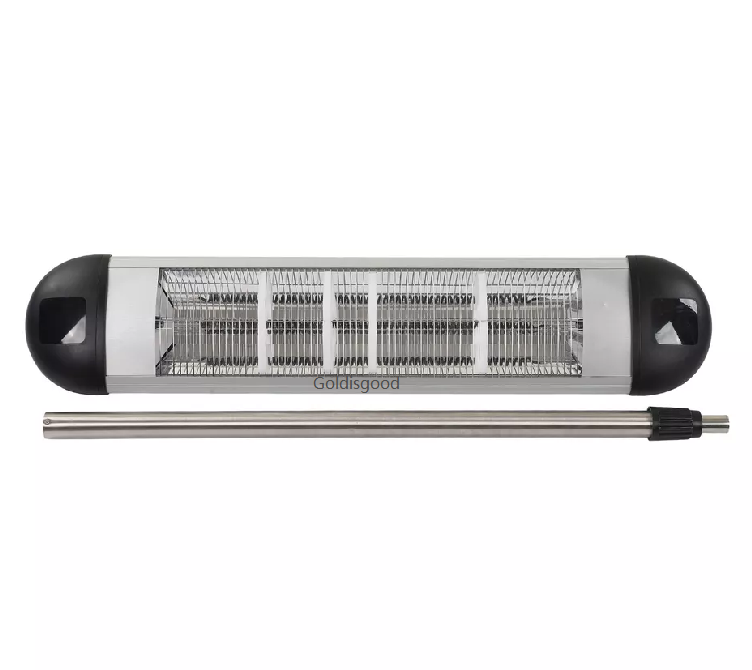
The Secret Reason Your IP65 Heaters Keep Dying
Here is the thing about IP65 ratings: they can be a bit misleading. You see that rating and think, “Great, it’s waterproof.” But in the world of infrared heating, the housing isn’t usually what fails. The real trouble starts exactly where the wires enter the heater. Heat doesn’t just stay in the element; it travels. It creeps right along the wire. If you’re using cheap insulation, that heat turns the wire jackets brittle. Eventually, they crack, the wires touch, and—pop—your system shorts out.
Why “Good Enough” Sealing Fails
Most generic heaters just use a basic rubber grommet to plug the hole. It works for a while. But in a high-heat environment, those rubber rings harden and split. Once that seal is gone, moisture sneaks right into the terminal block. Now you’ve got a nasty cocktail of extreme heat and dampness, which leads to rapid oxidation. We see this all the time in industrial wash-down areas. The insulation burns through, the wires touch, and your breaker trips. Again.
How We Actually Fix It
We decided to stop just “plugging holes.” Instead, we use a multi-stage process. We use high-temperature silicone potting compounds and reinforced heat-shrink sleeves that can handle 200°C+ without breaking a sweat. It creates a solid wall that blocks moisture and stops that thermal creep in its tracks. Plus, we lock the seal directly into the chassis. The wire stays put. It won’t vibrate loose or pull away while you’re installing it. It’s solid.
The Trade-off (Because there’s always one)
Now, there is a catch. Because this seal is so heavy-duty, the units are more rigid. You can’t just tug the wires out to swap a fuse or move your cabling around on a whim. You have to map out your wiring runs before the units are potted. It means you lose a bit of flexibility in the field. But for most plant managers I talk to, that’s a trade they’re happy to make. It’s a lot better than spending your afternoon resetting breakers every six months because a steam clean fried another heater.