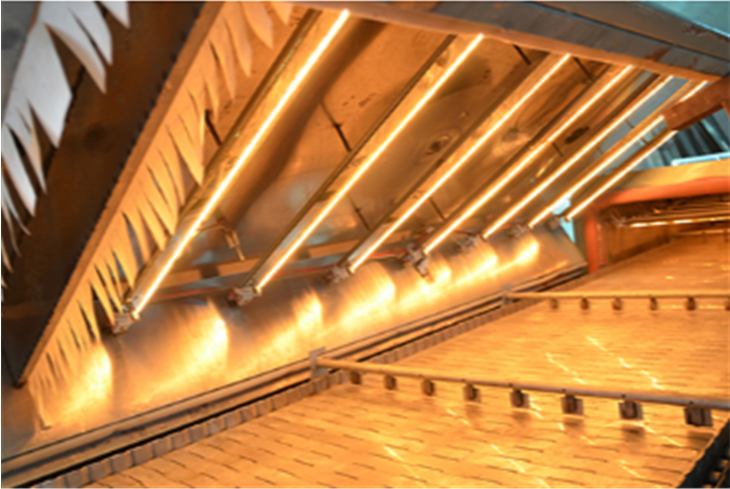
From Cold to 300°C in a Blink: How Short-Wave IR Actually Works
Most kitchen heaters are slow. They rely on convection or long-wave radiation, which basically means they have to warm up the air first before the food even feels a thing. It’s a waiting game. We do things differently. We use short-wave infrared (SWIR). Instead of messing around with the air, this tech cuts right through it and hits the food directly. You can go from room temperature to 300°C in a few seconds. It’s fast. Really fast. And that changes your whole workflow. You stop worrying about “pre-heating the oven” and start heating your food exactly when you need it.
The secret sauce: Power and Speed
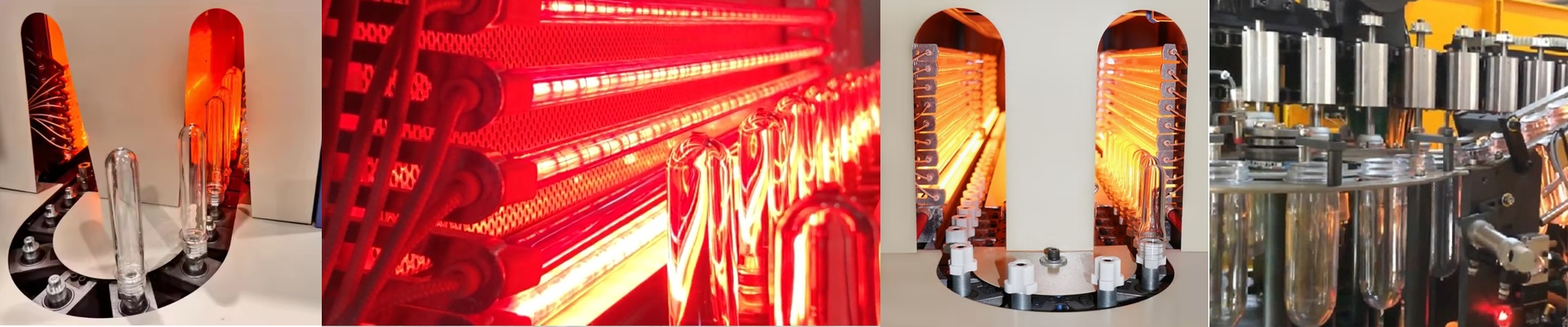
So, how does it happen so quickly? It all comes down to power density. We use a high-wattage, halogen-filled quartz tube that packs a ton of energy into a very tight spectral band. This lets the heat sink into the surface of the food way faster than those old-school coils ever could. You hit the switch, and the heat is just there.
Built to take the heat
Going from freezing to 300°C is a violent jump for any material. Most glass would just shatter. That’s why we use high-purity quartz. It handles that thermal shock without breaking a sweat. We also added a halogen cycle. Without it, the tungsten filament would evaporate and cloud up the glass over time. The halogen keeps the tube crystal clear, so you get the same punch of heat on day 1,000 as you did on day one. As for getting it into your machine? We use R7s or similar snap-in bases. It’s a simple swap. If a lamp burns out, you just pop the old one out and click a new one in. No need to rip apart your wiring or call in a technician.
A few things to keep in mind
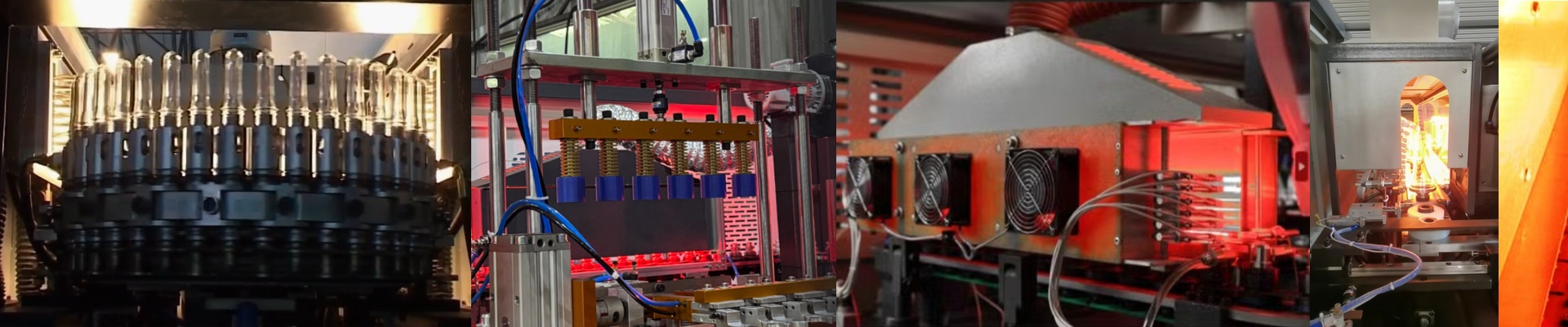
Now, all that concentrated heat is a bit of a double-edged sword. Since these lamps get so hot so fast, your reflectors have to be spot on. If you use a cheap coating, you’re just wasting energy—or worse, you might actually warp the housing. Also, keep an eye on your control board. When these lamps first kick in, there’s a big surge of current. Just make sure your electronics can handle that initial jump, and you’re good to go.