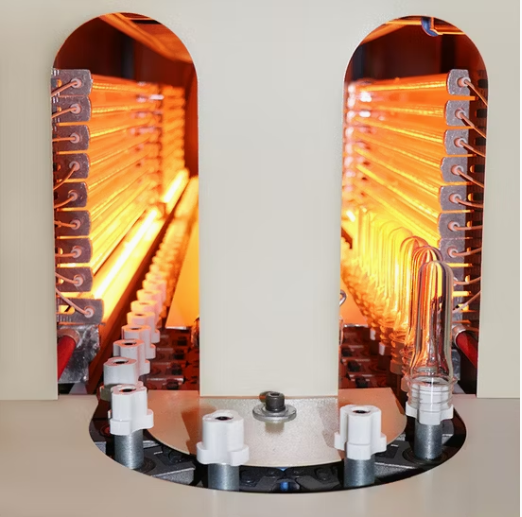
Getting Your Sidel Matrix Lamps Right
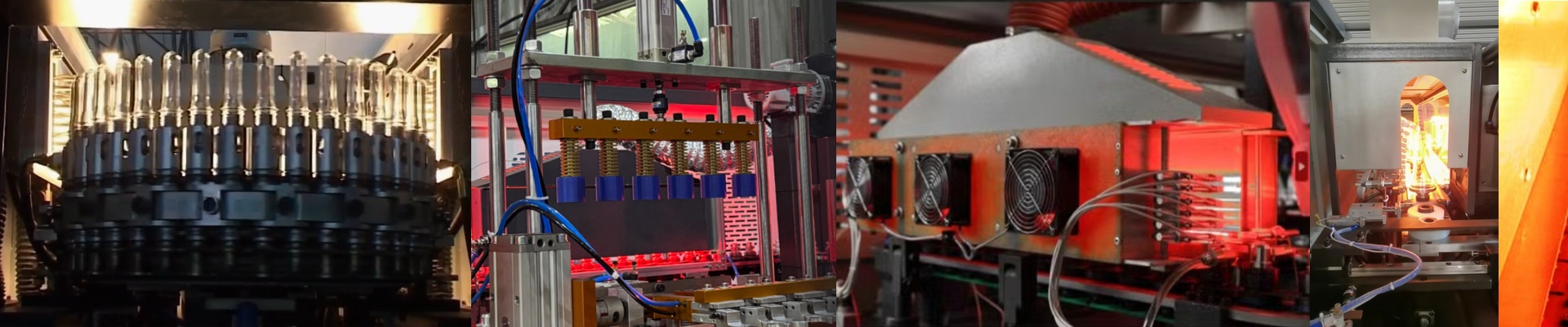
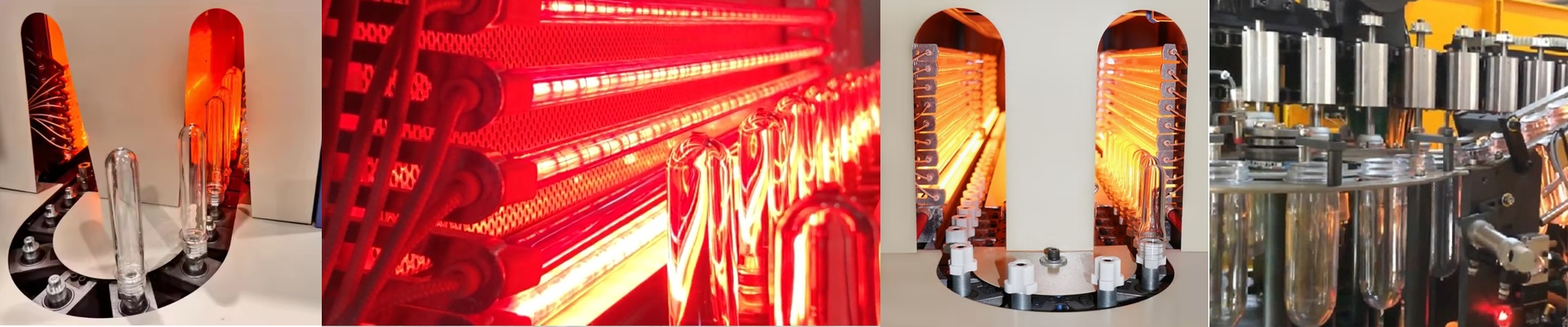
Here is the problem with swapping out OEM lamps in a Sidel Matrix system: if the temperature curve shifts even a tiny bit, you’re in trouble. When the wattage or the light spectrum is off, your preheating gets patchy. That leads to those annoying wall thickness variations in your PET bottles. It’s a headache you don’t need. That’s why we build our replacement lamps to match the original specs exactly. No guessing games. Why the “1:1 Match” Actually Matters We don’t just make sure the lamp fits the slot. We dive into the voltage and wattage to make sure they mirror what Sidel asked for. It all comes down to heat density per millimeter. If a lamp is too weak, the preform never hits that sweet spot—the glass transition temperature—in time. Too strong? You’re basically burning the plastic. We tweak the filament geometry so the infrared radiation hits the preform with the exact same intensity as the factory part. The Nitty-Gritty: Quartz and Coatings We use high-purity quartz glass because it can take the punch of rapid heating and cooling without cracking. Plus, we use a specific coating on the tubes. It filters the light so the energy goes straight into the PET material instead of heating up your oven walls. It’s a smarter way to use power. And since we use standard industrial connectors, these are true drop-in replacements. You won’t have to mess with your wiring or move your racks around. It just works. One Thing to Watch Out For High-wattage shortwave lamps put out a lot of heat. That’s great for keeping your cycle times fast, but it puts a lot of pressure on your ventilation. If your cooling blowers are clogged or starting to give out, even the best lamp in the world will overheat your preform. Keep that airflow clear. We’ve run these against the OEM benchmarks, and as long as your air is moving, the thermal ramp-up stays smooth across the whole heating zone.