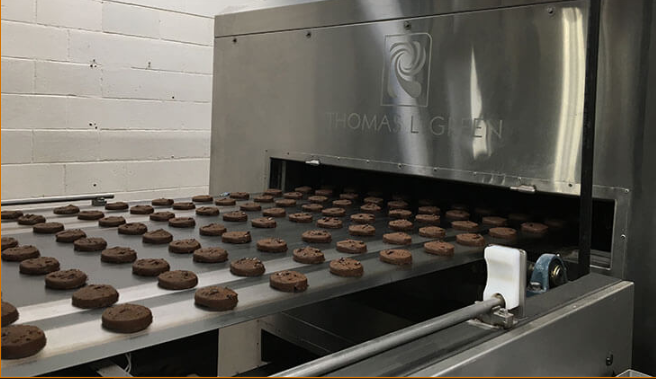
Stop Waiting for Your Oven to Warm Up
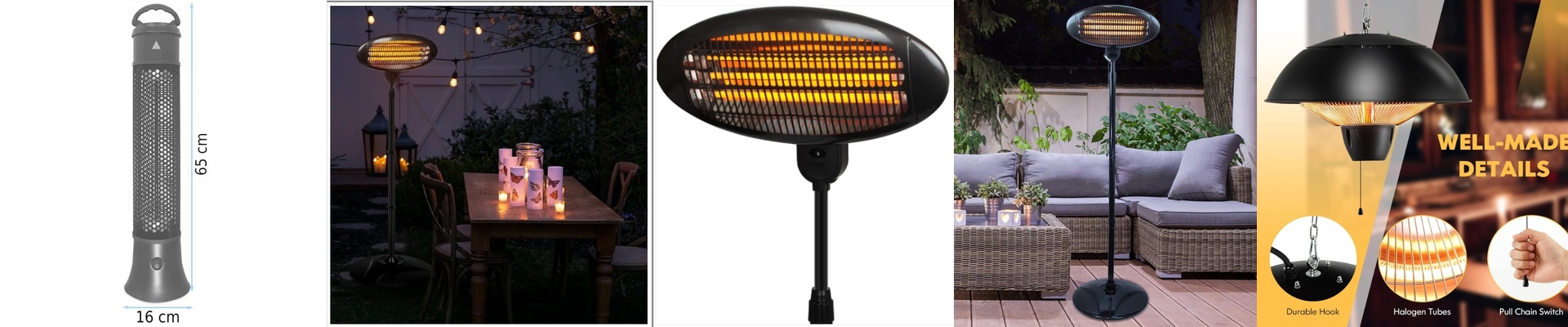
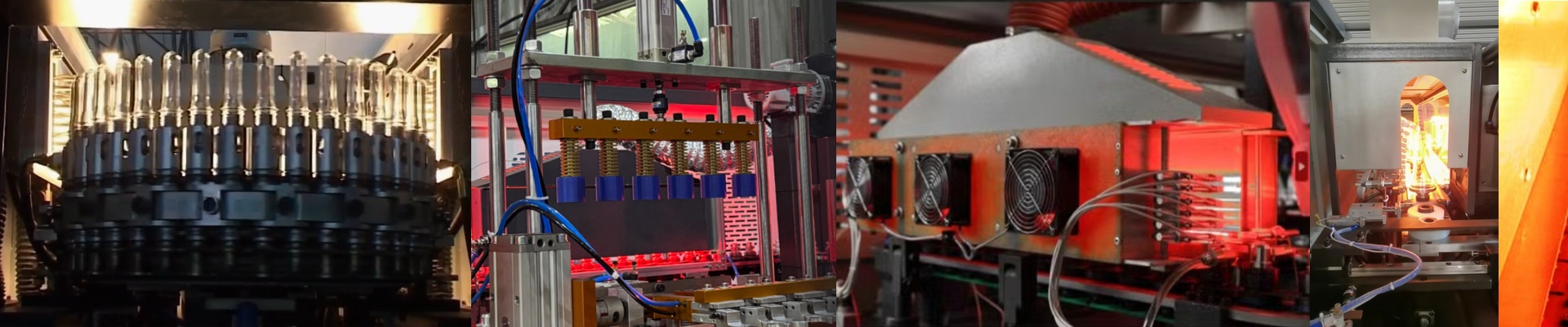
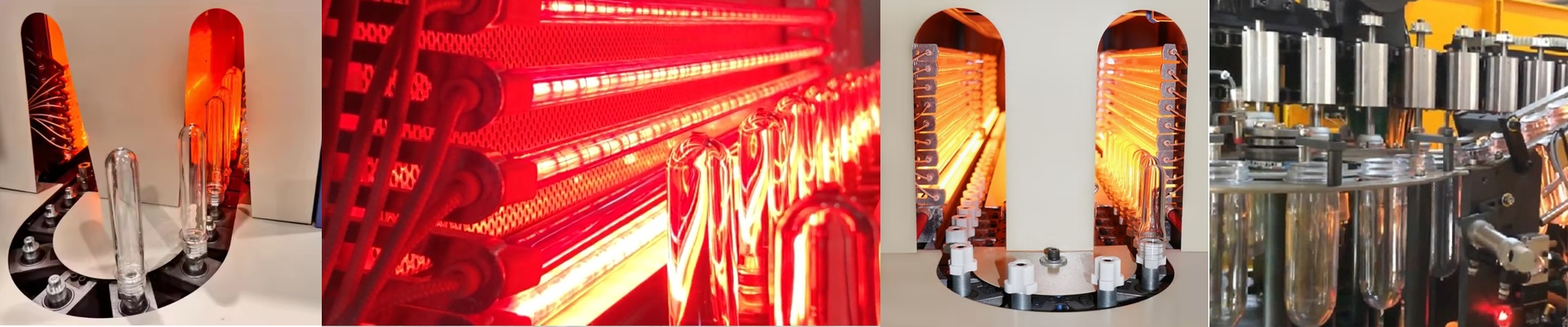
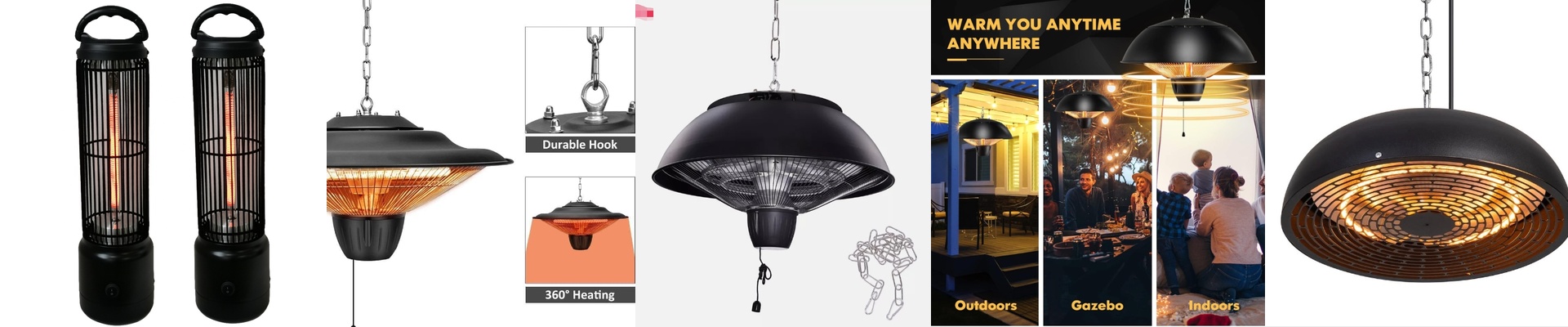
Most oven elements are slow. They rely on “thermal mass,” which is just a fancy way of saying they have to soak up heat for minutes before they actually do anything. It’s a drag. We decided to skip that lag entirely. Our quartz halogen tubes use short-wave infrared radiation to hit 300°C in a matter of seconds. Instead of heating up the air and hoping it eventually warms your food, this sends energy directly into the surface. It’s fast. Really fast. And it changes the whole way you think about reheating.
How it actually works
Inside each tube, there’s a tungsten filament wrapped in high-purity quartz glass. The second you flip the switch, that filament hits peak temperature. Because the quartz glass doesn’t block the infrared energy, the heat doesn’t get trapped in the walls of the oven. It goes straight to the food. You get the kind of heavy-hitting power you’d usually only find in a massive industrial heater, but it fits right in a kitchen appliance.
The nitty-gritty stuff
We use R7s or SK15 connectors because they stay put. You don’t want things rattling loose when the machine is running. We also spent a lot of time dialing in the wattage. The goal is to flash-heat the outside of the food so it gets that perfect crisp, without drying out the middle. And the glass? It’s tough. We picked a material that doesn’t expand or shrink much when the temperature swings. It can jump from room temperature to 300°C and back again without cracking under the pressure.
A few things to keep in mind
Now, this kind of speed comes with a catch. Since these tubes dump a massive amount of energy into a tiny space, you have to be smart about what you build the housing out of. If the chassis isn’t meant to handle reflected IR heat, it’ll warp or discolor over time. Our best advice? Use reflective interior coatings. It bounces the energy back toward the food where it belongs. It makes the whole thing more efficient and keeps the outside of the case cool enough that nobody gets burned.