Stop Drying Out Your Food: A Better Way to Handle Rotary Oven Heat
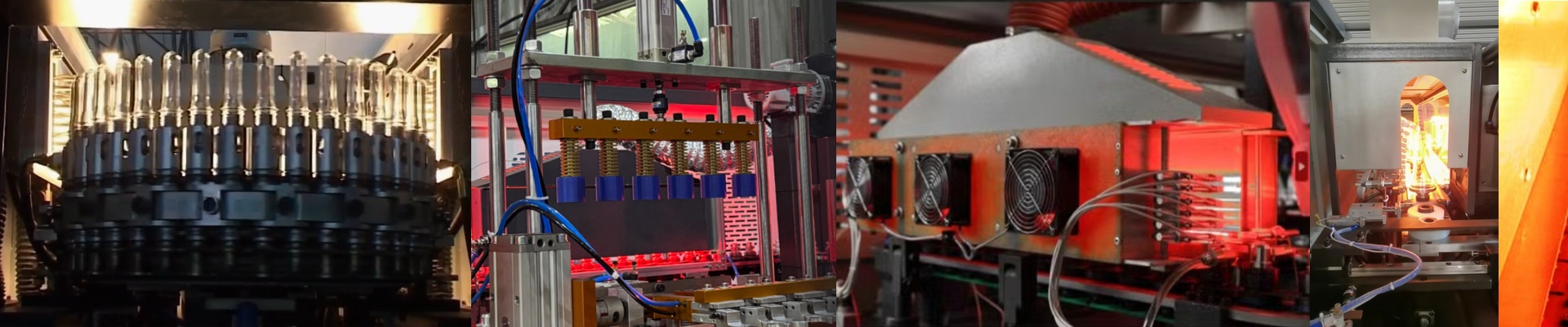
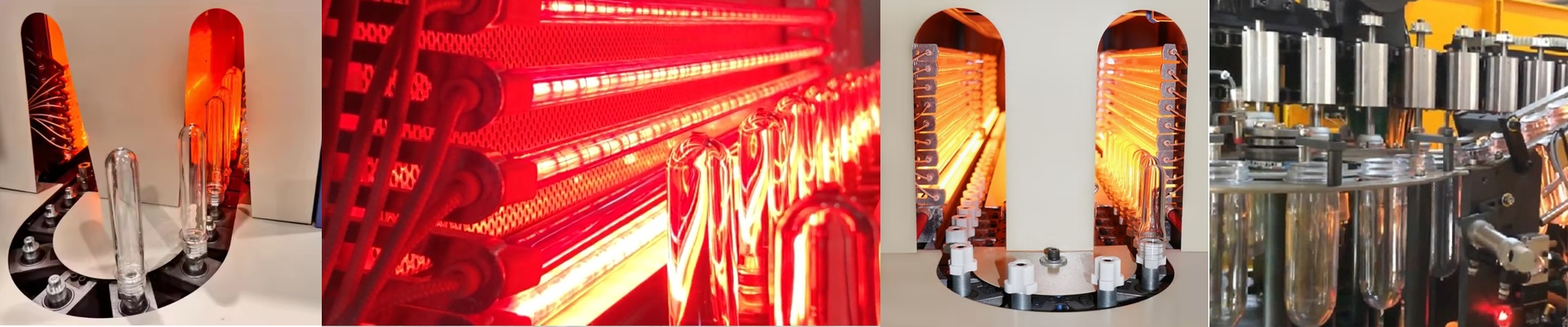
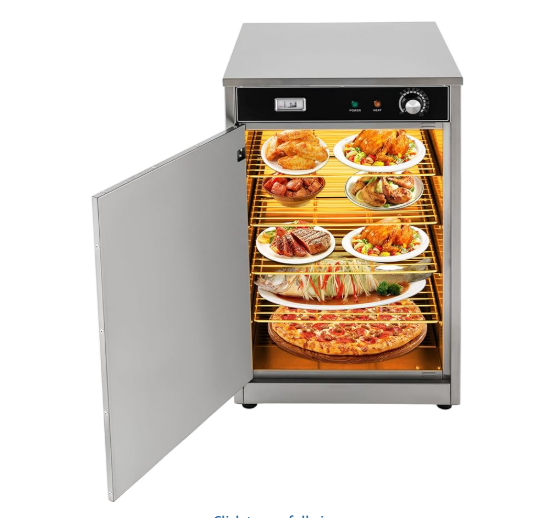
Ever pull a batch out of the oven only to find the food is bone-dry? It’s frustrating. Usually, it comes down to how the energy is hitting the food. In a rotary oven, you want to sear or brown the outside quickly. The trick is to do that without sucking all the moisture out of the center. That’s why we use short-wave infrared (IR) lamps. Instead of just blowing hot air around like a convection oven, IR sends energy straight into the food molecules. The secret is in the “hit.” We set these lamps up for high power density. By tweaking the wattage and voltage, we control exactly how much heat hits every square centimeter of your product. If you’re seeing burnt edges but a raw center, something is off. Either the heat is too intense or the food is staying under the lamps too long. We fix this by adjusting the quartz tube length and the filament density. It spreads the heat out across the rotating rack, so you don’t get those annoying “hot spots” that dry out your product in patches. Let’s talk gear. Our replacement tubes use halogen-filled quartz. Why? Because the halogen cycle stops the tungsten filament from evaporating. This keeps your light output steady for thousands of hours, so you aren’t guessing about your cook times. They come with R7s or SK15 connectors, which means they just slide right in. We use high-purity quartz too, just to make sure the IR heat actually gets through the glass and into the food. A few things to watch out for. High-wattage lamps are great for speed, but they’re thirsty. They put a real load on your electrical panel. If you decide to upgrade to higher-output tubes to push out more product, do yourself a favor: check your wiring gauge and your contactor ratings first. And remember, these things gethot. If your ventilation is clogged or poor, you’re asking for trouble. You’ll end up with melted wiring or connectors that fail way too early. Keep the air moving. When your IR heaters are dialed in, they create a quick thermal barrier on the surface of the food. This locks the moisture inside. It’s all a balancing act between power, distance, and how fast that rack is spinning.