Why We’re Swapping Resistance Wires for 300W Infrared Lamps
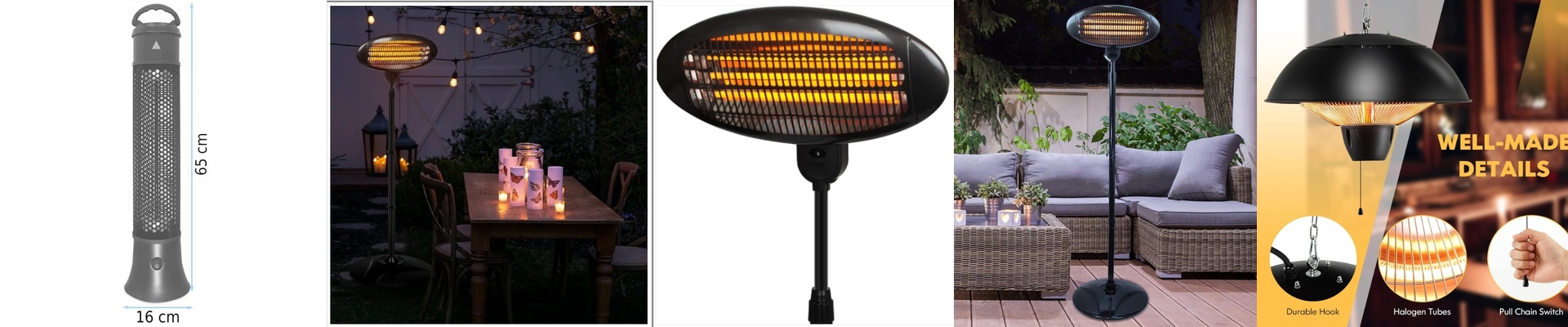
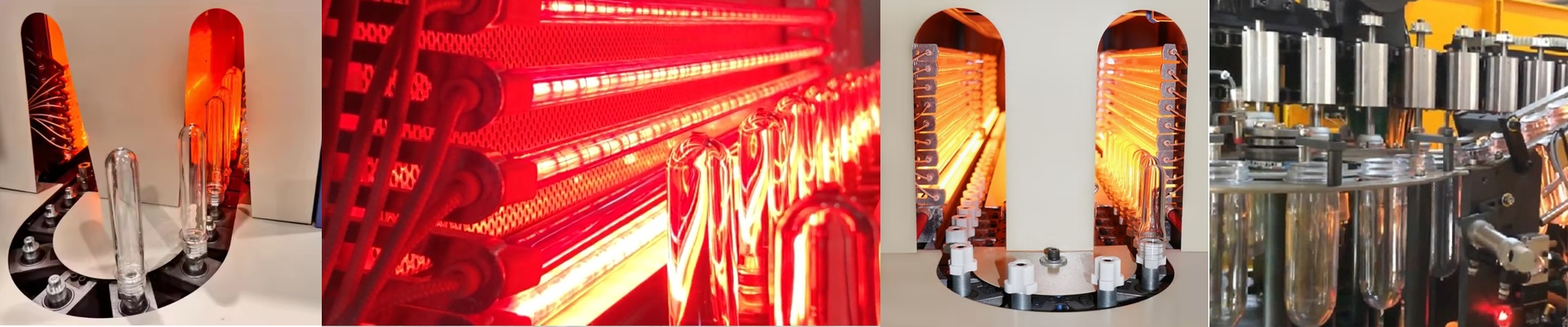
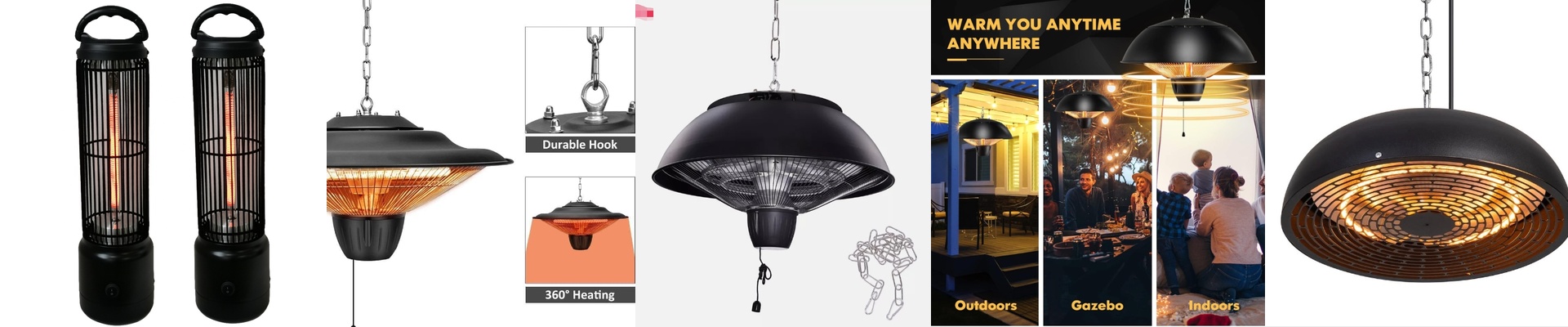
Most bread ovens are still doing things the old way. They use those standard resistance wires that heat up the air, and then the air eventually heats the dough. It’s slow. A lot of that heat just vanishes into thin air before it even touches the bread. We’ve started using 300W infrared (IR) bulbs instead. Here’s the difference: IR lamps send radiant energy straight into the product. It’s a direct hit.
The magic of radiant heat
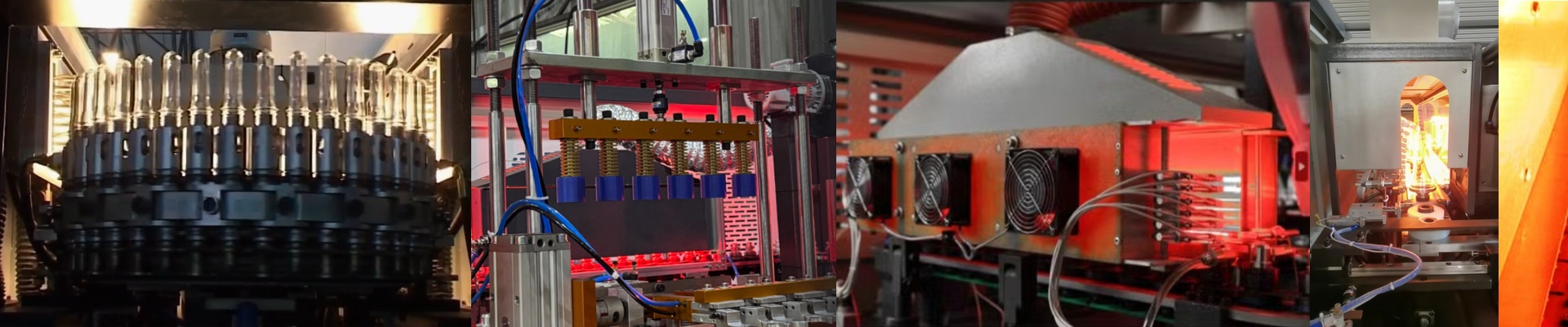
A 300W IR lamp doesn’t sit around waiting for the whole oven cavity to warm up. It uses electromagnetic waves to move energy. Basically, you stop wasting money heating up the oven walls. For a busy bakery, this is a win. Pre-heating happens faster, the crust sets quickly, and every loaf comes out looking the same. It just feels more efficient.
The nitty-gritty stuff
These bulbs have a quartz envelope, which is fancy talk for “they can handle the heat without melting.” We stick with 300W because it’s the sweet spot. You get plenty of heat, but the lamps actually last. If you go too high with the wattage in a small space, you’ll just burn out the filament. Putting these into your current setup is pretty easy. They usually slide right in where your old heating elements were. But there is one catch:**IR lamps are fast.**Like, really fast. If you’re using PID controllers, you’ll need to tweak them. If you don’t, the oven will blow right past your target temperature before the controller even realizes what happened.
What to expect in the real world
The best part? Your energy bill usually goes down because you aren’t paying to heat the atmosphere. But, there’s a trade-off. Quartz tubes are a bit more fragile than those thick alloy wires. You can’t just ignore them. You have to keep the glass clean. If flour or grease builds up on the bulb, it creates hotspots. That’s how the quartz cracks. Just give them a quick wipe down, and they’ll keep humming along.