Why Your Oven Keeps Overheating (And How to Fix It)
If you’ve ever dealt with a commercial oven that just won’t behave, you know the frustration. You set your PID controller, but by the time the heater actually reacts, you’ve already shot past your target temperature. It’s like trying to steer a cruise ship—by the time you turn the wheel, you’ve already hit the dock. That lag is what we call thermal inertia. Most heaters are just too bulky. They soak up heat like a sponge and keep bleeding it out long after you’ve told them to stop. That’s how you end up with ruined product.
The Secret is in the Speed
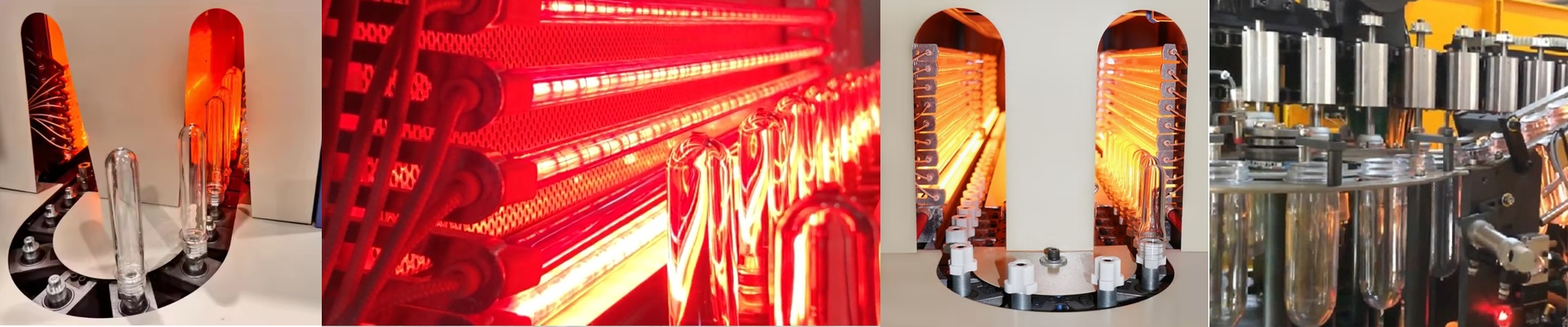
We do things differently with our circular infrared lamps. Instead of using heavy cast iron or thick tubes that hold onto heat, we use a thin quartz envelope and a high-density tungsten filament. They don’t “store” heat. They just blast it. The second you flip the switch, you get short-wave radiation. And the moment you cut the power? The heat stops. Almost instantly. It gives you a level of control that feels intuitive because the machine is actually doing what you told it to do, right when you told it to do it.
A Few Things to Keep in Mind
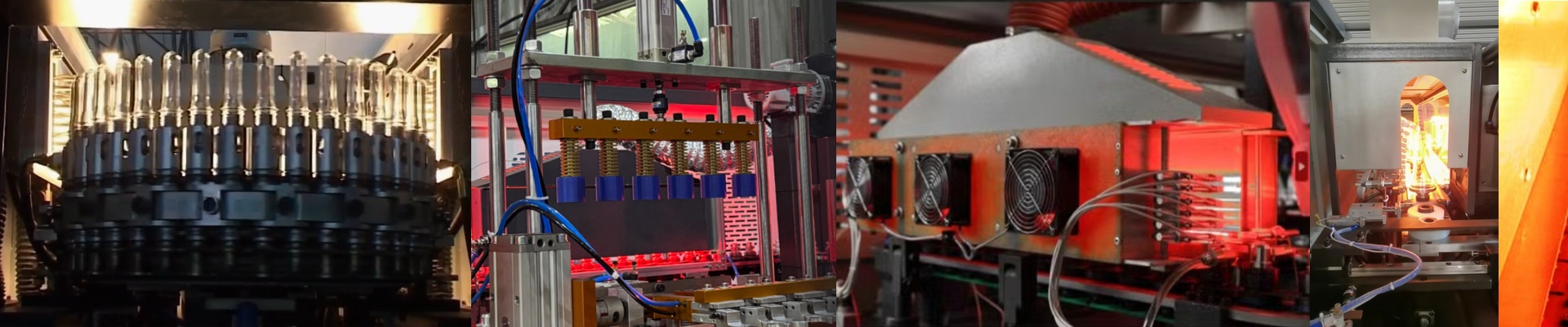
Now, this kind of speed comes with a trade-off. Because we’re pushing a ton of wattage through a small space, these lamps run hot. Fast. If your airflow is sluggish or your reflectors are covered in grime, you’re asking for trouble. You’ll likely burn out the ends of the tube. Keep things clean and keep the air moving. Also, don’t try to run these with old-school mechanical contactors. They just can’t keep up. You need Solid State Relays (SSRs). You need something that can switch on and off in milliseconds to actually take advantage of how fast these lamps react.
Getting Them onto Your Shop Floor
If your voltage matches, swapping out an old heater for one of these is usually a breeze. The difference is noticeable immediately. Your temperature band tightens up—we’re talking within ±1°C. It just feels more stable. One last tip: check your wiring. These tubes pull a lot of amps. If you use undersized wire, the cables will start overheating before the lamp even hits full stride. Don’t skimp on the gauge.