Stop Losing Money Every Time the Temperature Drops
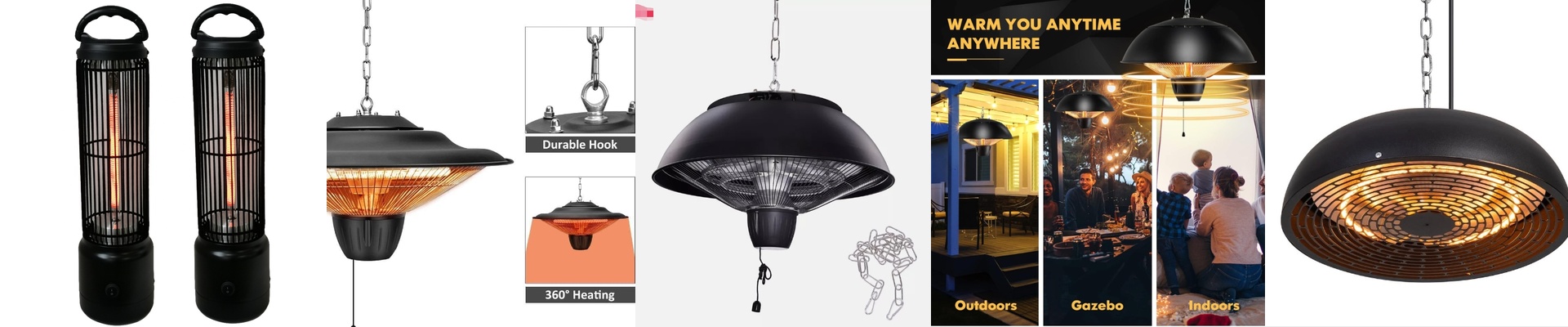
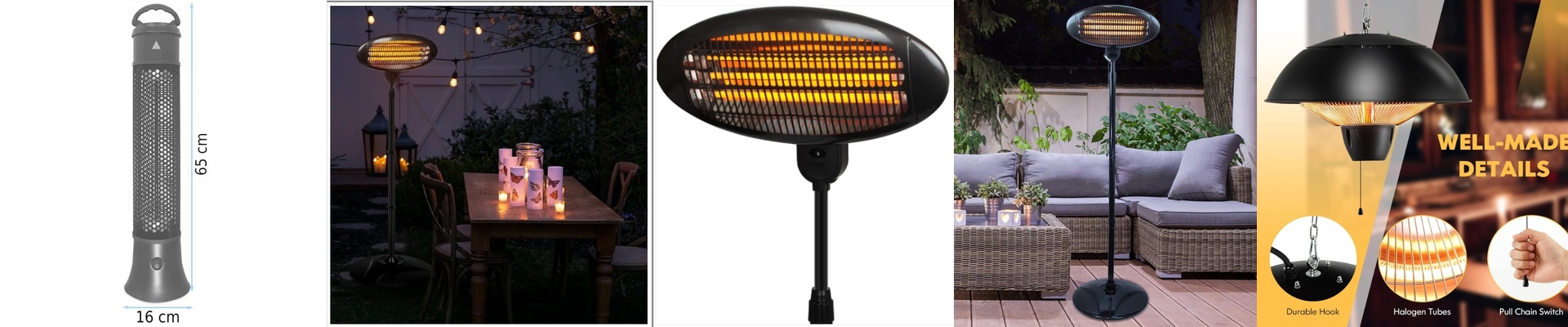
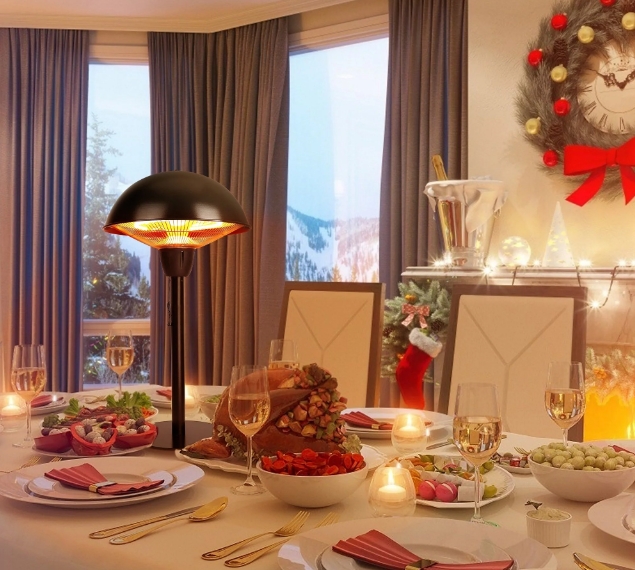
Let’s be honest: nobody wants to sit outside when it’s freezing. The second a chill hits the air, your outdoor tables go empty. It’s a waste of space and a hit to your bottom line. The problem is that most heaters try to warm the air. But if you’re on a windy patio or a drafty terrace, that warm air just blows away. You’re basically paying to heat the neighborhood. The secret is shortwave infrared. Instead of fighting the wind, these heaters send out waves that travel at the speed of light. They don’t care about the breeze. They hit your guests and their tables directly, turning into instant warmth the moment they touch skin or fabric. It feels like standing in a patch of sunlight on a winter day. Now, outdoor gear takes a beating. Rain, snow, and humidity can wreck a cheap system. That’s why we stick with IPX4-rated units—they’re built to handle splashes and storms without quitting. Plus, the powder-coated aluminum housing keeps them from rusting into a mess. But before you start buying,check your power. These things are thirsty. Most commercial heads pull between 1500W and 3000W. If you’re planning to install a dozen of them, don’t just plug them into a wall outlet. You’ll trip your breakers during the Friday night rush. You’ll likely need a dedicated 3-phase power supply to keep everything running smooth. The payoff is simple: you get to use every square inch of your patio all year round. More seats, more customers, more money. Just a heads-up on the installation:height is everything. Infrared heat is intense. If you mount the heaters too low, your guests will have toasted heads and freezing toes. It’s a weird, uncomfortable feeling. To get that cozy, consistent warmth, keep them at least 2.2 meters up. Get the angle right, and your guests will actually want to stay for that extra round of drinks.