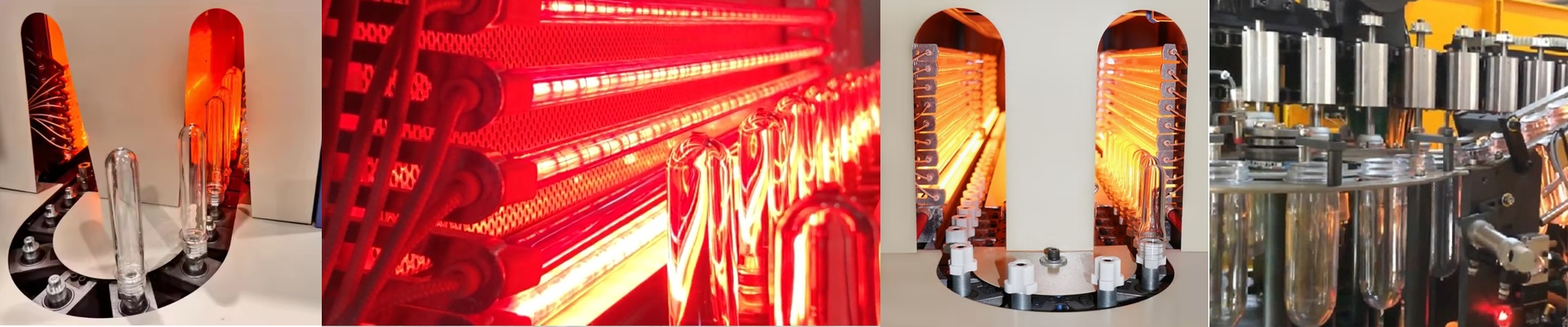
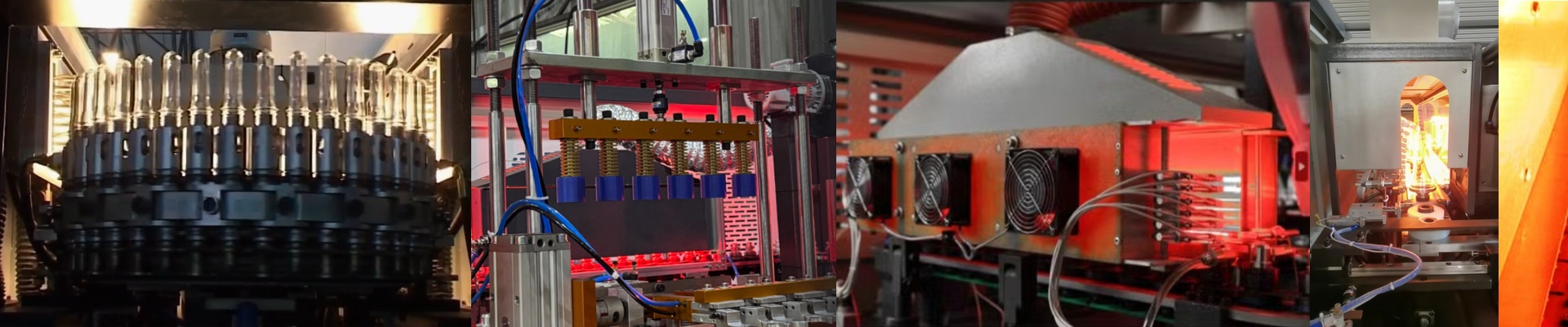
Getting Your SACMI and Sidel Blower Lines Back Up to Speed
Let’s be honest: the last thing you want when a lamp goes out is a project. You don’t want to rewrite your electrical plans or spend three hours fighting with a part that almost fits. You just want your PET blowing to stay consistent and your line to keep moving. That’s why we build our replacement lamps to be true drop-ins. Whether you’re running the old-school SBO units, the newer Matrix series, or Sidel lines, these are designed to slide right in.
The “Fit” Factor
It’s one thing for a lamp to physically fit in the slot. It’s another thing for it to actually work without blowing a fuse. We stick to the original OEM wattage and voltage specs. Why? Because overloading your power supplies is a headache nobody needs. We obsess over the tiny details—the exact length and the connector types (usually R7s or SK15). **Here is the thing:**if a tube is off by even a couple of millimeters, you’re asking for trouble. You either stress the quartz or the connector doesn’t seat right. And once you start seeing arcing, you’ve got a real problem on your hands.
Heat That Actually Hits the Mark
We use high-purity quartz glass because these lamps take a beating. The rapid heating and cooling cycles are brutal, and cheap glass just cracks. Most of our lamps use shortwave infrared tech. It’s the fastest way to get heat deep into the PET preform. Depending on your setup, we can even do coated options. This is a lifesaver if you’re struggling with “burnt skin”—where the outside of the preform looks scorched but the core is still cold.
Swapping Them Out (And a Few Warnings)
Installation is as simple as it gets. Pull the old tube, slide the new one in, wire it up, and you’re done. No drama. But, a quick word of advice from the field. It’s tempting to bump up the wattage to shave a few seconds off your cycle times. Just be careful. More heat means your oven’s cooling system has to work harder. If you go with a higher heat density than what came with the machine, keep a close eye on those ambient temperatures. You don’t want to warp your reflectors. Plus, while you’re in there changing the lamp, take a second to check your contact points for oxidation. It takes two seconds to clean them, and it saves you from annoying voltage drops later.