Getting Your Oven Temp Right Without Breaking the Bank
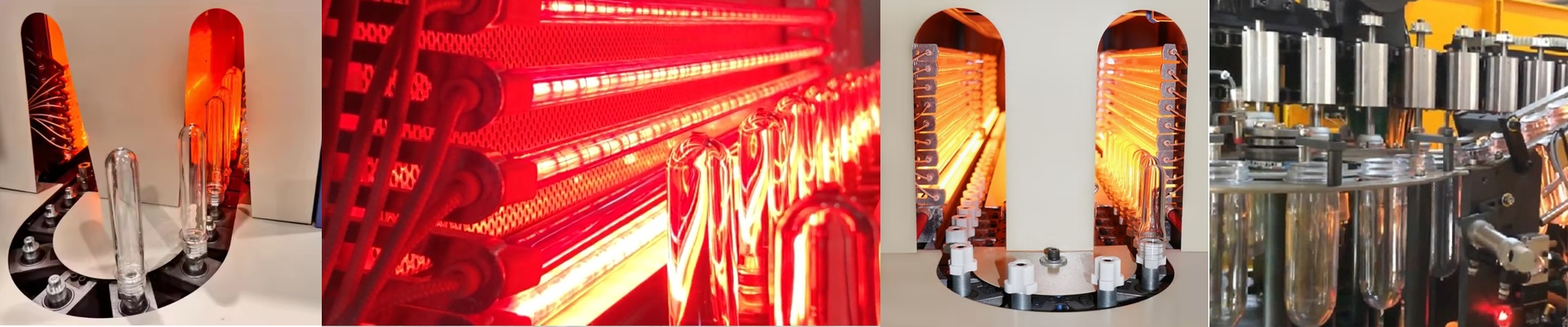
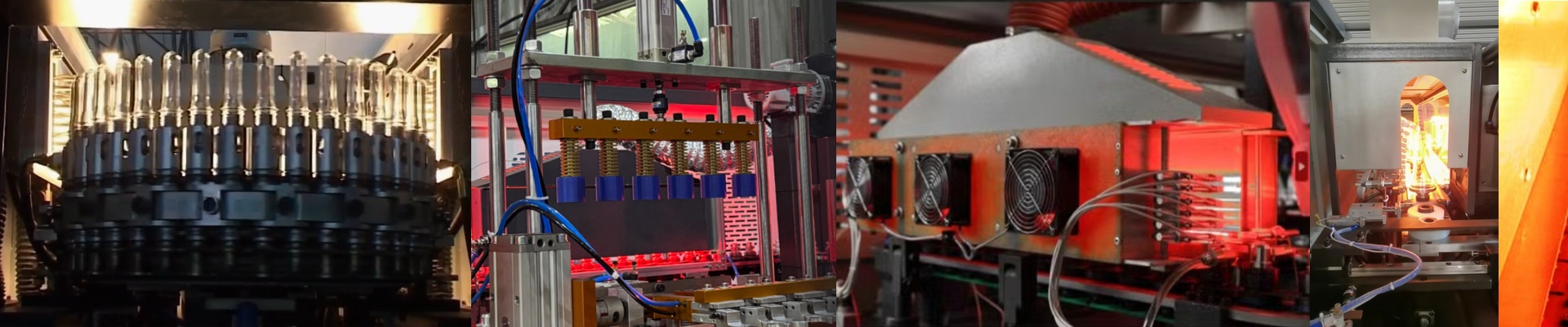
If you’re growing a bakery chain, you’ve probably hit that annoying wall where you want a perfect crust, but the high-end ovens that actually deliver it cost a fortune. We found a way around that using infrared (IR) quartz tubes. Most ovens use resistive heating, which is slow. It’s like waiting for a room to warm up. IR tubes are different. They use electromagnetic radiation to push heat directly into the bread. It’s fast. Really fast. And that means you can hit your target temperatures quickly and keep the heat exactly where you need it across the deck. The nitty-gritty on heat It mostly comes down to how much power you can cram into a short tube. When you have high wattage in a small quartz envelope, the heat density jumps. This is great for your wallet because you reach your baking temp faster, which cuts down on the total energy you’re pulling from the wall. Just make sure the tube voltage matches your grid—usually 220V or 380V. If they don’t match, you’ll get voltage drops, and that’s how you end up with bread that’s burnt on one side and raw on the other. Keeping things running We use high-purity quartz glass so the tubes don’t warp when they go from cold to scorching hot. Some of these tubes even have a special coating. Instead of wasting heat by warming up the oven walls, the coating pushes the energy straight into the dough. And here’s the best part: they’re basically plug-and-play. We use standard connectors, so if a tube burns out, you can swap it in a few minutes. No need to call in an electrician to rewire the whole control board. The trade-offs Look, nothing is perfect. Using IR tubes lets you use a simpler, cheaper oven shell while still getting professional results. But you have to remember that quartz is fragile. It can handle the heat, but if someone bumps it or hits it during cleaning, it’ll shatter. Your team needs to be gentle. Also, because this heat is so direct, you can’t just “set it and forget it.” You’ll need to tweak your PID controllers. If you don’t, you might scorch the top of your loaf before the middle is even cooked. It takes a little bit of dialing in, but once you hit that sweet spot, it’s a dream.