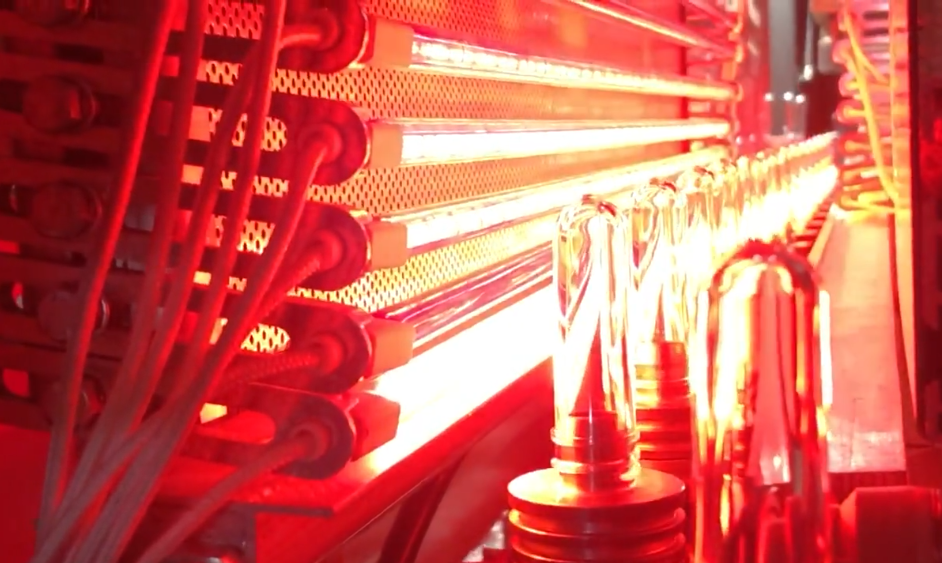
Getting Your Krones Contiform 3 Heat Just Right
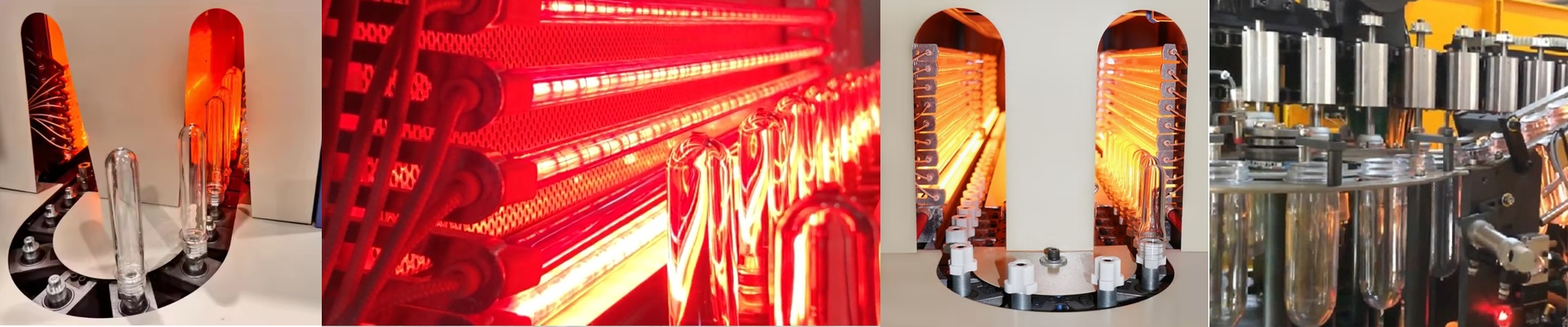
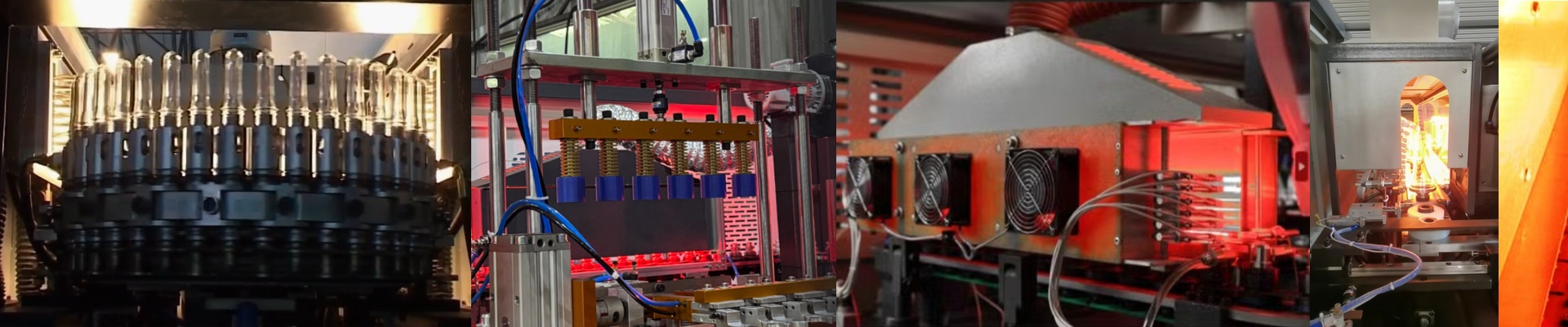
If you’re running a Krones Contiform 3, you know the drill. Getting those PET preforms to that exact glass transition temperature is everything. If the heat is off, your bottle walls end up uneven, and suddenly you’ve got a quality nightmare on your hands. But here’s the problem: OEM lamps are getting expensive. Really expensive. You need a replacement that fits right in and hits the same thermal marks without breaking the bank. The nitty-gritty on power and voltage These lamps are built to push a lot of wattage through a small quartz tube. It’s all about that heat flux—making sure the warmth actually sinks into the PET rather than just bouncing off. If you’re on a 400V system, you can’t just throw any lamp in there. It has to be built for that specific load, or you’ll be dealing with burnt-out filaments way too often. High voltage is great because it keeps the wiring thinner and the current draw low, but it’s tough on the lamp ends. You need gear that can take the stress. Why the glass actually matters We use heavy-wall quartz. Why? Because when things get screaming hot, cheap glass bows. That ruins your heat distribution. Plus, there’s a special coating on these. It isn’t just for looks. It actually shifts the infrared spectrum so the PET absorbs more of the heat. Instead of wasting energy heating up the inside of your oven, the heat goes exactly where it belongs: into the preform. And since we use standard R7s or Sk15 connectors, you can swap them out fast during a maintenance window and get back to production. A few things to watch out for Here is the catch. High-density halogen lamps put out massive heat, which means your oven gets hot. Fast. You’ve got to keep your cooling blowers clean. If your ventilation is clogged with dust or grime, even the most expensive lamp is going to overheat and die early. It’s a simple fix, but it’s the difference between a lamp lasting a few months or a few years. Switching to an equivalent lamp is a straightforward move. You get the same IR output and the same fit. It’s a direct swap that keeps your cycle times steady and your costs down.