A Smarter Way to Heat Your Rotary Ovens
If you’re running a bakery chain and trying to grow, you’ve probably hit that annoying wall: you want a perfect, consistent bake, but high-end ovens cost a fortune. It feels like you have to choose between breaking the bank or risking a batch of unevenly browned bread. We’ve found a way around that using gold-coated shortwave infrared lamps. Instead of just throwing more raw power (and money) at the problem, we focus on where the heat actually goes.
How the gold coating actually works
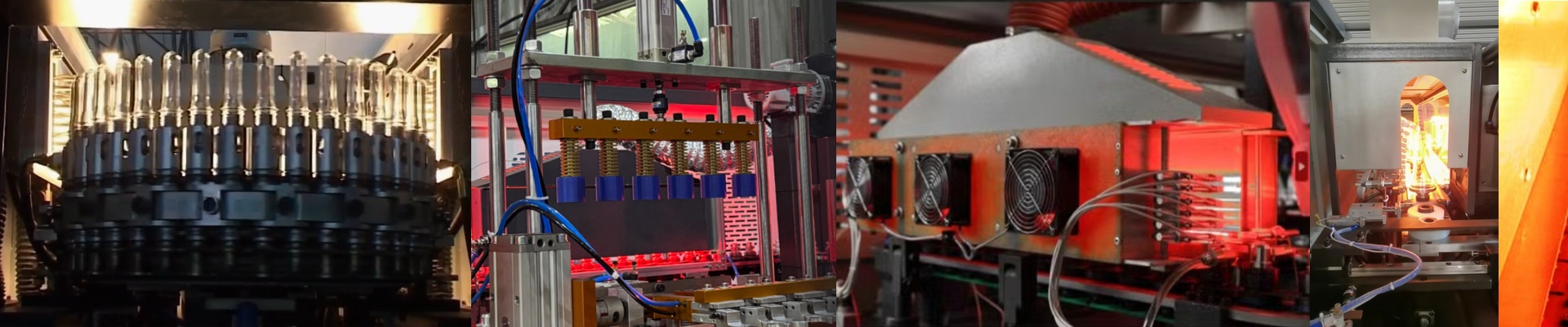
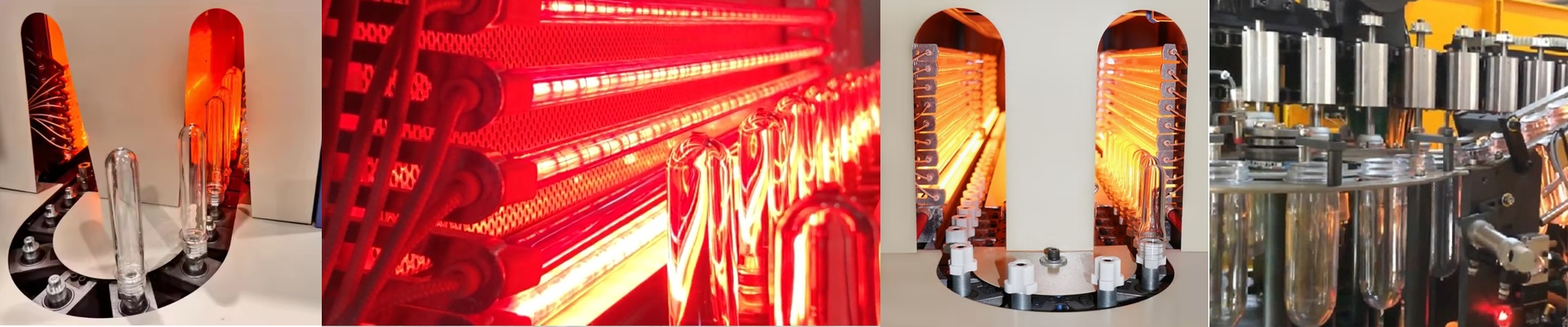
Think about a standard quartz lamp. It throws heat everywhere—including the oven walls, which is basically just wasting electricity. By adding a thin layer of gold to the quartz, the lamp acts like a mirror. It pushes the infrared energy forward, right onto the dough. You get a much denser hit of heat exactly where you need it. Because the heat is so concentrated, you can often get away with using fewer lamps or lower-wattage units and still get that perfect, golden-brown crust.
The nitty-gritty stuff
We use high-purity quartz because these things need to handle rapid temperature swings without cracking. Depending on your setup, we use R7s or SK15 connectors, so you can just swap them in without a headache. One thing to watch out for: voltage. Most people stick with 230V, but if you’re running a massive industrial line, switching to 400V can save you from needing thick, clunky wiring. Just a heads-up—keep your reflectors clean. If they’re pitted or oxidized, that gold coating can’t do its job, and you’ll lose that efficiency.
What this does for your bottom line
Saving money isn’t about hunting for the cheapest tube on the market. It’s about the big picture. When your oven hits the target temperature faster, your pre-heat times drop. That means you can pump out more trays per day. Sure, a gold-coated lamp costs a bit more upfront. But when you realize you can lower the overall machine spec and slash your monthly power bill, it’s a trade-off that just makes sense.