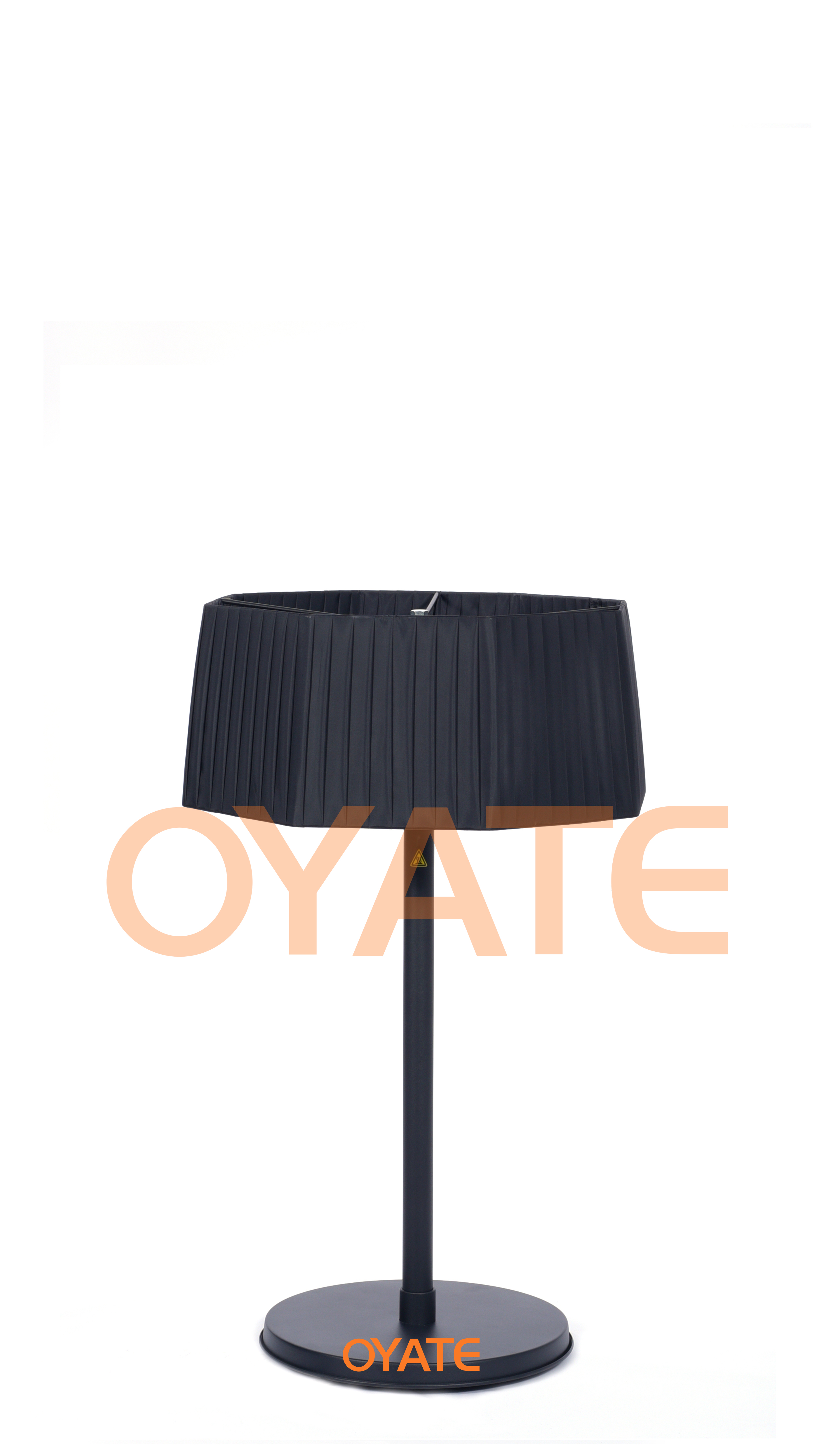
Getting Warm Fast: The Truth About Waterproof Infrared Heat
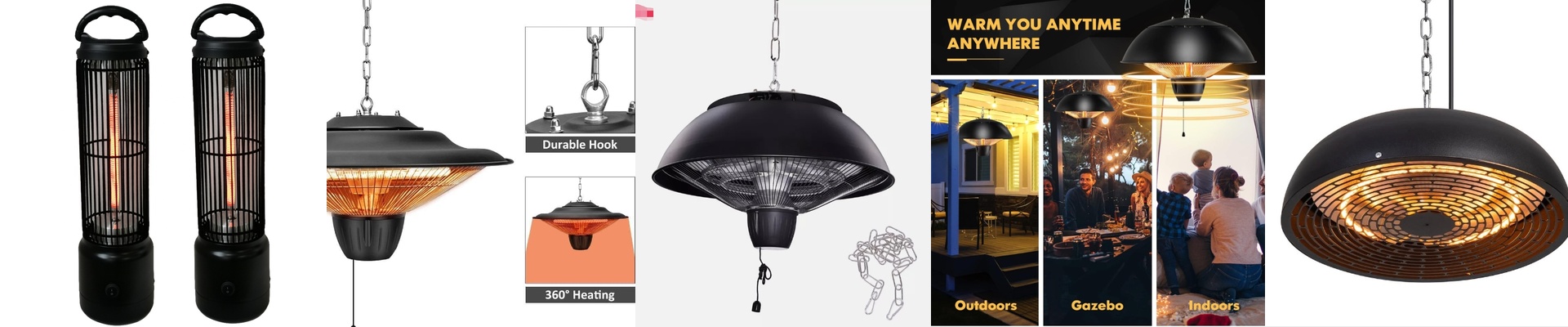
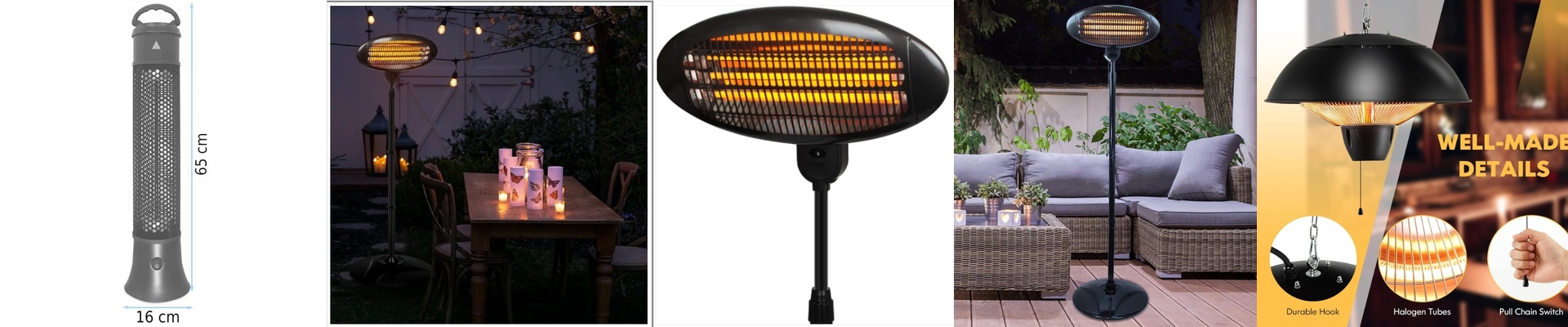
We build these infrared heaters for one reason: because waiting for a room to warm up sucks. There’s nothing worse than stepping into a freezing coop or a damp changing room and shivering for twenty minutes. Most heaters try to warm up the air, which is a waste of time and money—especially if there’s a draft. Our units don’t bother with the air. They use electromagnetic radiation to hit you, your animals, or your gear directly. You feel the heat the second you flip the switch. It’s instant.
How it actually works
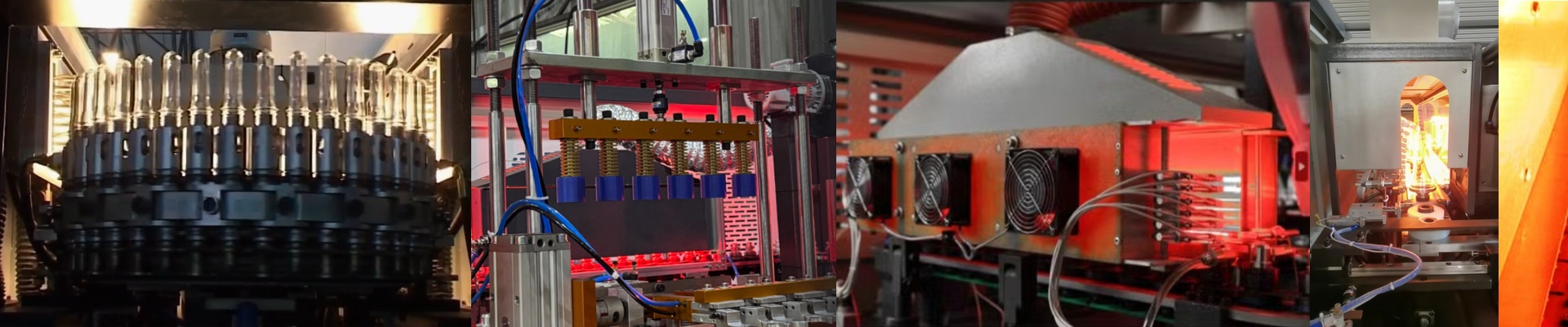
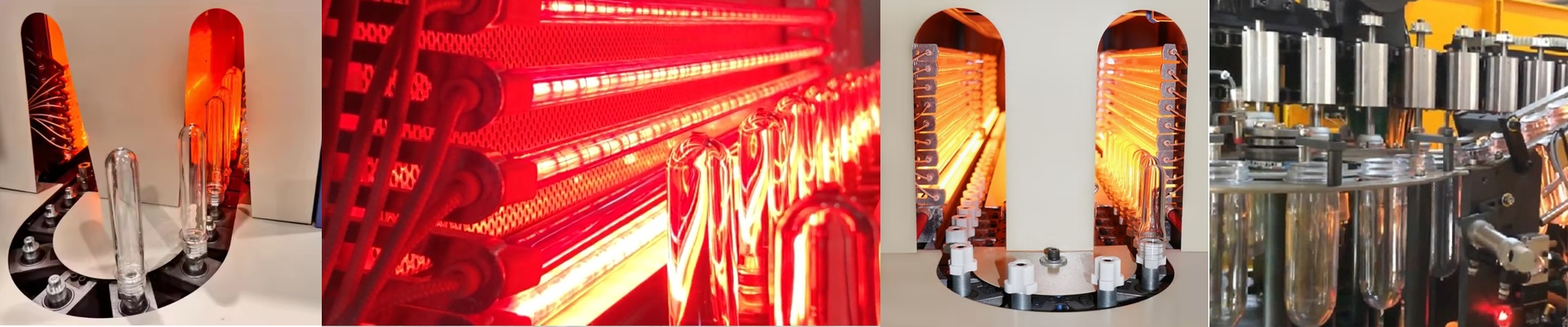
Inside these units, we’ve got high-wattage filaments tucked inside quartz glass. Instead of waiting for air to circulate, they beam energy straight to the target. Think of it like the sun. You don’t feel the air get warm before you feel the sun on your skin; you just feel the heat. That’s exactly what’s happening here. No lag. No waiting. Just warmth.
Dealing with the mess
If you’re putting a heater in a chicken coop or a humid locker room, you’re dealing with moisture. And moisture and electricity? Not a great mix. That’s why we use IP-rated waterproof housings and sealed connectors. We want to make sure a little bit of condensation or a random spray of water doesn’t blow a fuse or cause a short. We even coat the elements to keep the quartz from getting eaten away by grime or corrosive dust. **One quick tip on the wiring:**keep an eye on your voltage drop. If you’re running high-wattage tubes across a huge space, don’t cheap out on the wire gauge. If the wire is too thin, the power drops, and your heat becomes spotty and uneven.
The trade-off
These things pack a massive punch in a tiny package, making them a great swap for those old-school heat lamps. But there is a catch: they gethot. Because they hit peak temperature almost instantly, placement is everything. If you mount them too low, you’re asking for trouble—you could scorch a bird or start a fire. But if you hang them too high, you lose that “instant” feeling. It’s all about finding that sweet spot. Match your mounting height to your wattage, and you’ll have a perfectly stable zone of warmth.