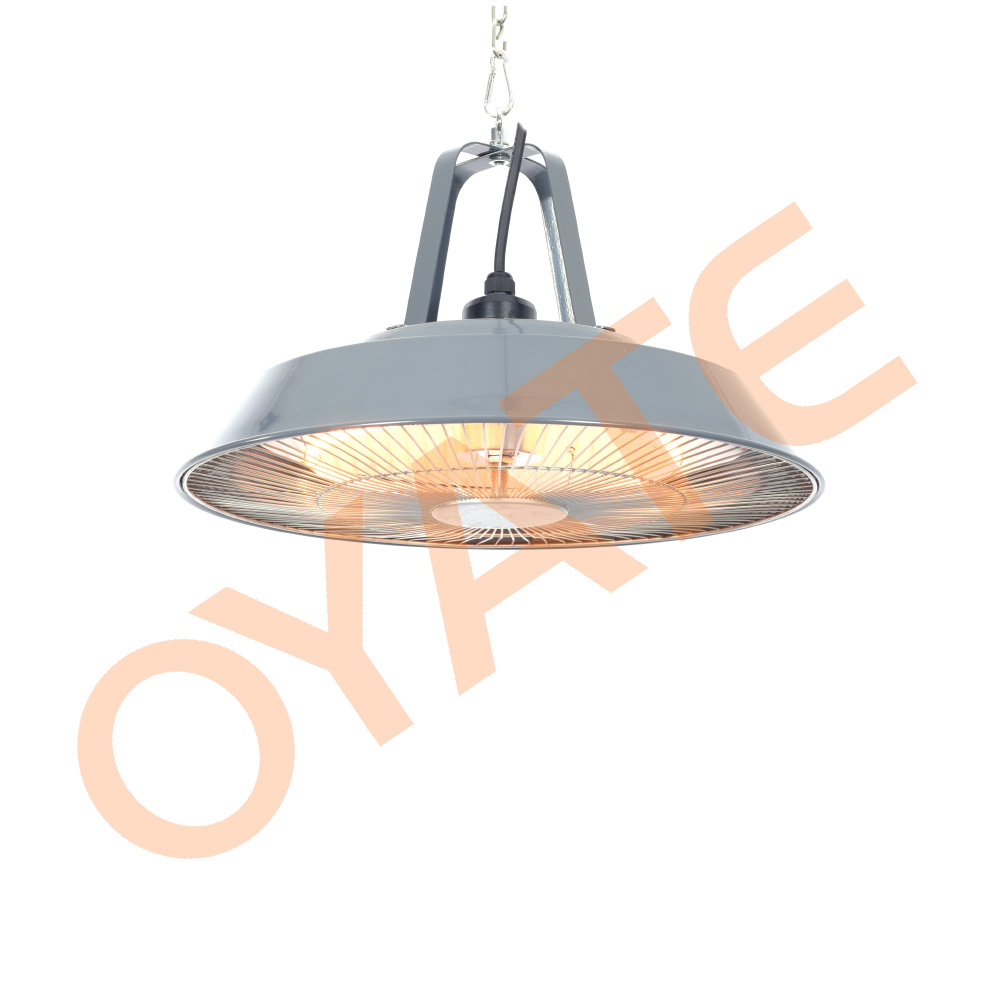
Keeping the Heat On: How We Fight Rain and Fog in Outdoor Heaters
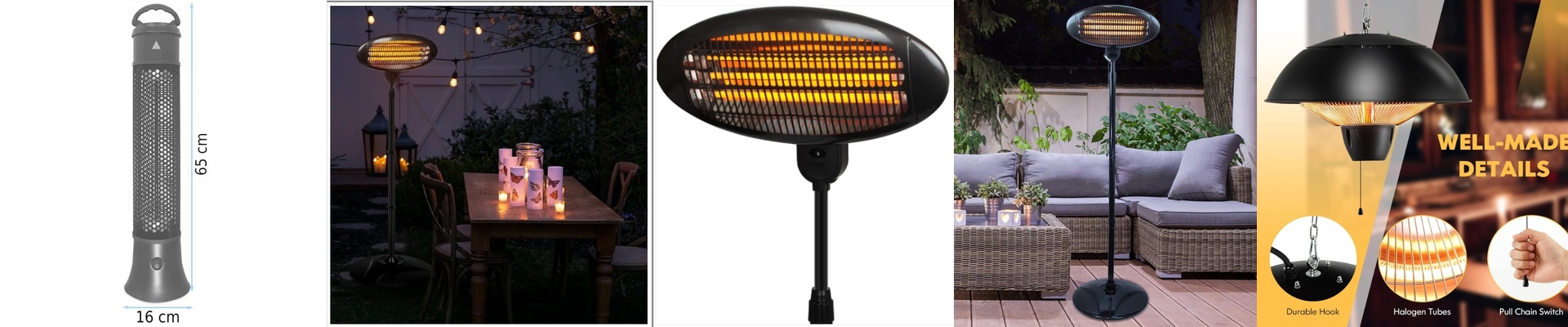
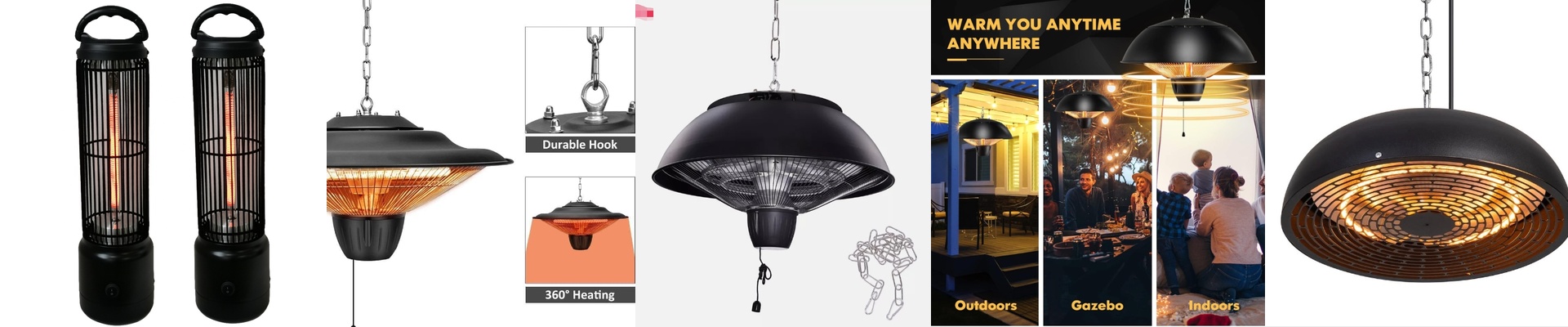
Let’s be honest—the outdoors is brutal on electronics. Between the sudden rain showers, the thick humidity, and those wild temperature swings, most patio heaters are basically ticking time bombs. Usually, moisture sneaks into the electrical terminals or the heating element, and that’s when things go south. The battle against water Here’s the thing: when water gets inside, it doesn’t just cause a short circuit. It eats away at the heating coil through oxidation. To stop that, we don’t just “hope” it stays dry. We use a tight system of gaskets and precision-molded seals around the lamp housing. It’s all about keeping those splashes away from the guts of the machine. Then there’s the fog. You’ve probably seen it—that cloudy film that forms when cold, damp air hits a hot infrared tube. It’s annoying, but it’s also a problem because that moisture scatters the heat. Instead of feeling a warm glow, you get a fraction of the power. To fix this, we put a special anti-fog coating on the outer lens. It basically tells water droplets, “You can’t stay here,” so they slide right off. The result? A clear path for the heat to hit you exactly where you need it. The tricky part: Balance We spend a lot of time obsessing over the connection points. We use alloys that don’t rust, which saves you from the “burn outs” you see in the cheap models. But here is the catch: you can’t just seal the unit airtight. If you do, the heat builds up inside the housing and starts melting the wiring insulation. It’s a balancing act. We design the seals to be tight enough to block liquid water, but we leave strategic vents so the unit can actually breathe. Real-world use If you’re installing these in a place where the air feels like a sauna, you’ll notice a big difference. Because of the anti-splash design, you aren’t constantly running back to the breaker box to reset a tripped GFCI. These things are built to take a beating from the weather while keeping the heat steady. Just one tip: make sure your mounting brackets are heavy-duty. The waterproof housing is reinforced and a bit heavier than the flimsy stuff, and you don’t want your heater sagging after a few months.