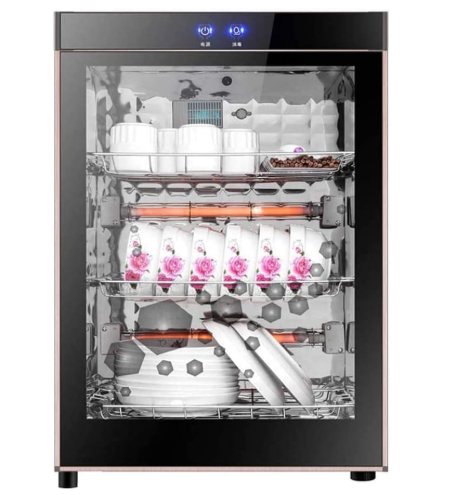
Stop Fighting Temperature Swings in Your Tableware Dryers
If you’ve ever run a tableware dryer, you know the frustration. You open the doors or shift the air intake, and boom—the internal temperature tanks. Standard heating elements are just too sluggish to keep up. It’s like trying to steer a ship with a broken rudder. To fix this, we stopped relying on heating the air and started using rapid-response infrared lamps paired with a closed-loop PID system. It basically kills those fluctuations before they can mess up your drying cycle.
How we actually keep things stable
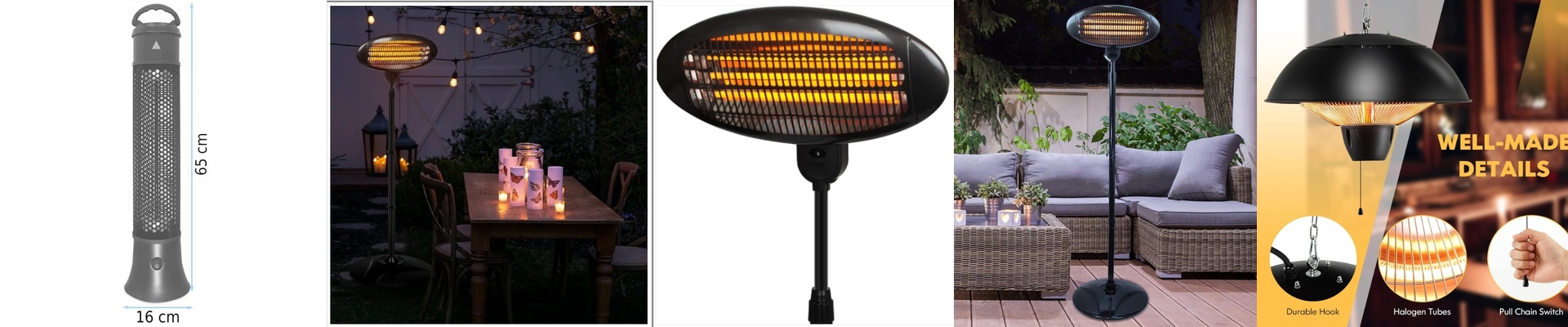
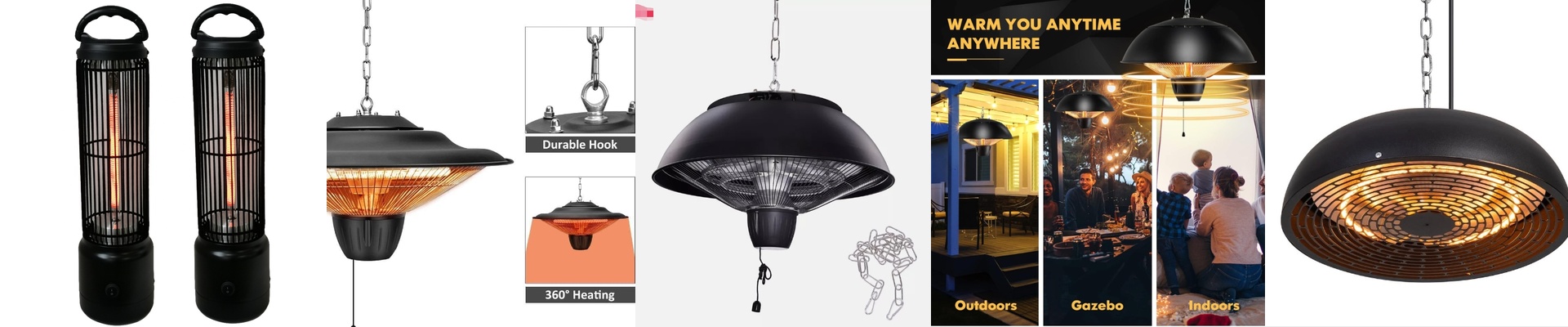
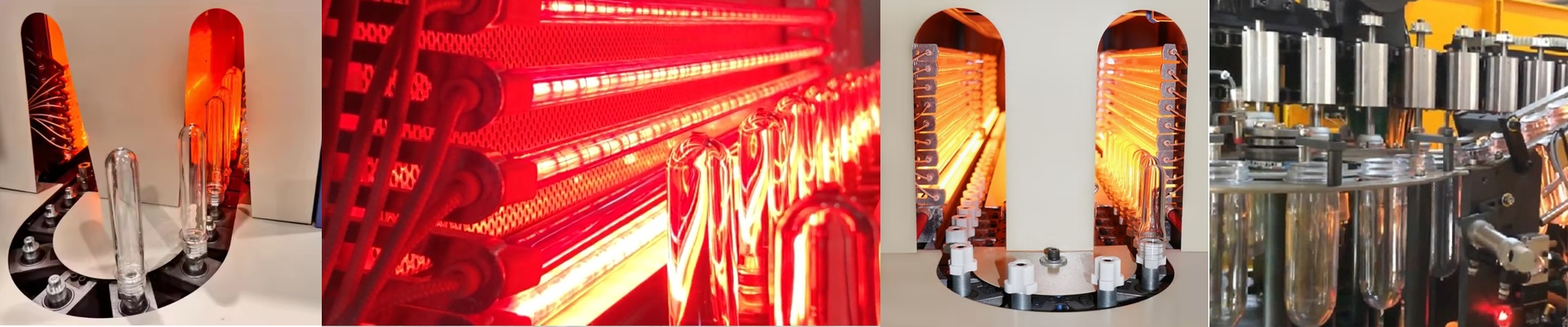
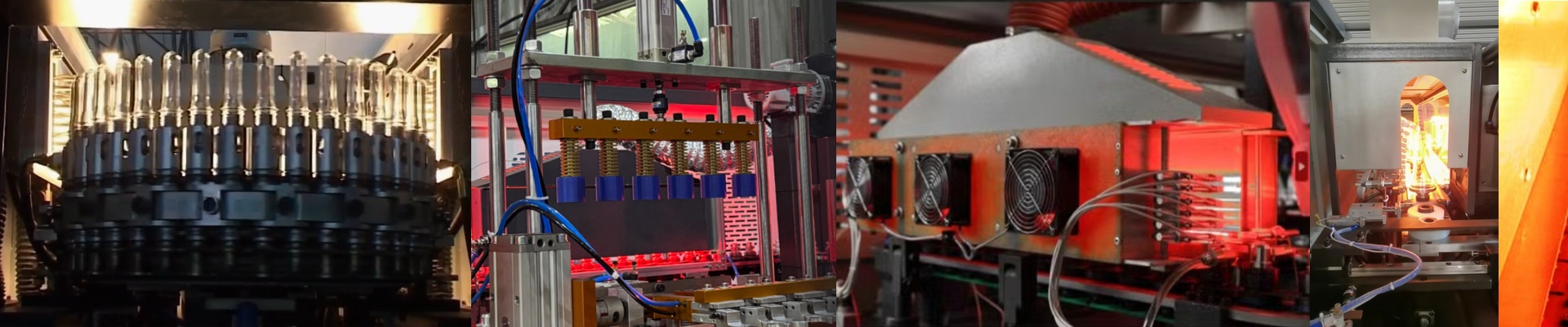
Here is the secret: infrared lamps don’t waste time warming up the air. They go straight for the tableware. Because there’s almost no “lag” in the heat, the system can ramp up or down in a matter of seconds. We pair this with a high-precision thermocouple that acts as the system’s eyes. The second the sensor feels a dip in temperature, it tells the controller to push more current to the lamps. It happens instantly. The result? Your ceramics and glass stay within ±1°C. No guessing, no cold spots.
The gear and the trade-offs
We usually go with short-wave quartz tubes. Why? Because short-wave IR hits the water molecules on the surface of the plate much harder and faster than the long-wave stuff. It’s just more efficient. But you have to be careful with your power density. Pushing high wattage into a small space gets the job done fast, but it’s a lot of stress on your electrical panels. If you’re running a big line, double-check that your wiring can handle the initial surge when the system kicks in. You don’t want to be chasing a tripped breaker in the middle of a shift.
Making it work on the shop floor
Setting these up is pretty painless. We use standard industrial connectors, so when a tube eventually burns out—and they will—you can just pop a new one in and keep moving. Plus, since the heat is focused on the product rather than the oven walls, you aren’t paying to heat the entire room. You’re actually saving energy. Just one tip: keep your sensors calibrated. If a thermocouple drifts, the whole loop gets confused. That’s how you end up with plates that are still damp or, worse, surfaces that are scorched. Keep the sensors sharp, and the system takes care of the rest.