Dealing with Heat Spots in Your PET Blow Molding
Ever pull a bottle off the line and see those annoying pearlescent streaks? Or maybe the walls are way too thin in one spot and thick in another. If you’re running Krones or KHS machines, you know exactly what I’m talking about. It’s frustrating. Usually, it just means your preforms aren’t hitting the right temperature across the board. The culprit is almost always the IR lamps—either the heat isn’t spreading right, or the spectral output is off.
How we actually fix the heat
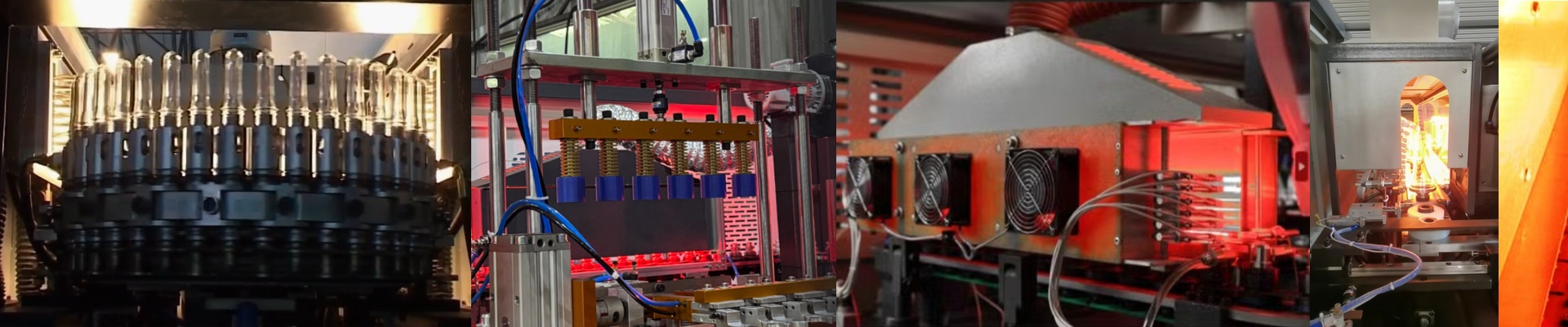
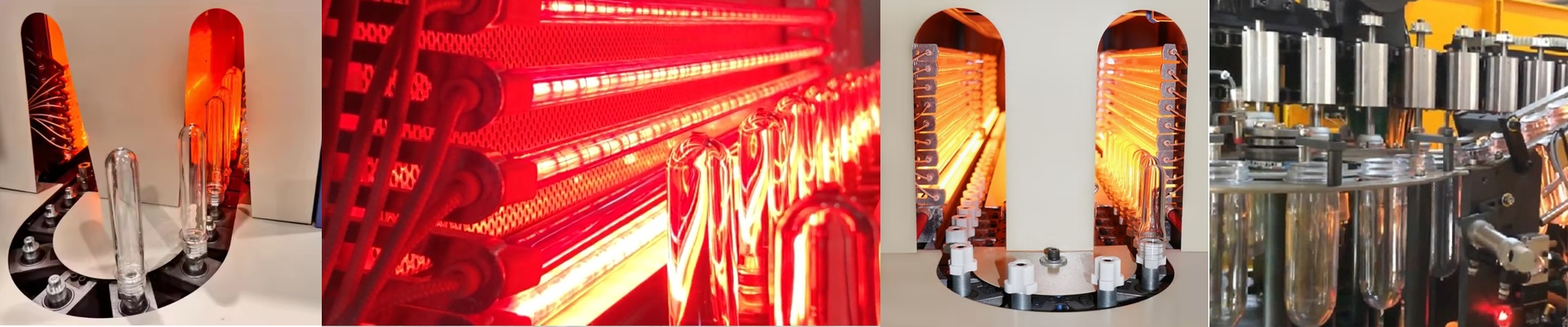
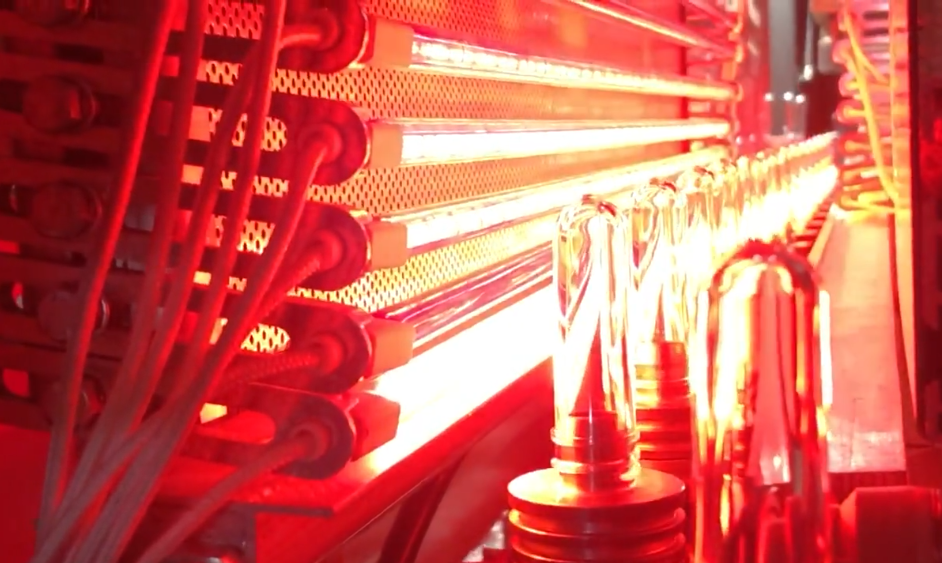
We didn’t want to just make “another lamp.” We built these to fit the exact footprint of Krones and KHS ovens because cold spots are a nightmare. By tweaking the tungsten filament density and the thickness of the quartz, we can control how the radiation actually hits the plastic. Instead of just scorching the surface of the preform, the heat actually sinks in. It’s a more uniform soak.
The nitty-gritty on fitment
You don’t need to rewire your whole shop to use these. They’re simple drop-in replacements. We use standard R7s or Sk15 connectors, so they slide right into your existing sockets. Depending on your power rail, we’ve got them in 230V or 400V. One cool detail: we dope the quartz glass. This filters out the wavelengths the PET doesn’t need. It keeps the energy focused on the plastic and stops your machine frame from turning into a giant radiator.
Real talk: The shop floor
Here is the thing about high-wattage lamps. They give you the punch you need for high-speed lines, but they’re sensitive. The oven airflow is brutal. If your cooling fans are clogged with dust or grime, the ends of the lamps will overheat and burn out way too fast. Keep those fans clean. Seriously. When you switch to these tubes, you can finally stop guessing with your temperature windows. The thermal profile stays steady, which means you spend less time staring at rejects and more time actually shipping bottles.