
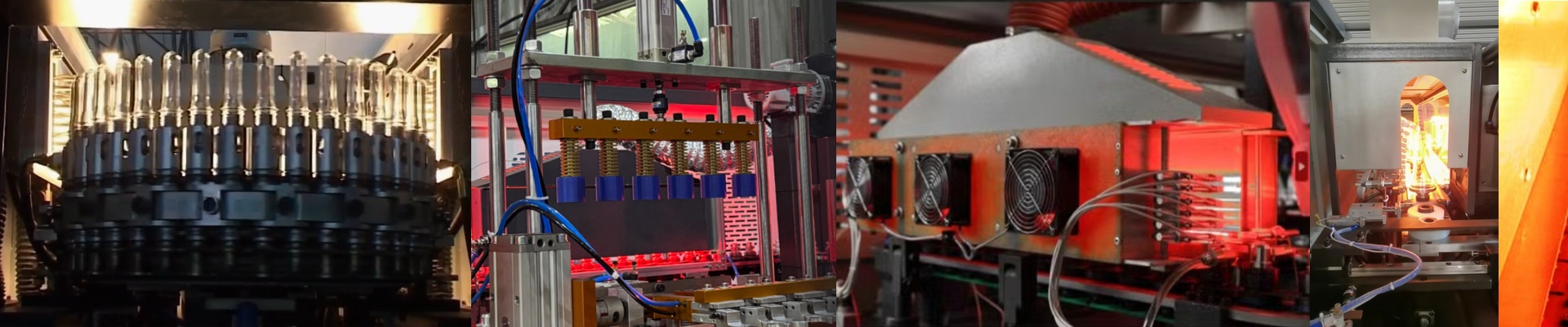


Getting Your Heat Right in Rotary Ovens
If you’ve ever dealt with product warping or uneven curing, you know the frustration. It usually comes down to one thing: inconsistent heat. Most people just look at the wattage on a bulb and call it a day. We don’t. We focus on the actual thermal output. Why? Because that’s what actually determines if your product comes out perfect or ends up in the scrap bin. We build our bulbs to the same tight standards as the big global brands, but without the corporate fluff. The nitty-gritty of power Here’s the thing about voltage and wattage: it’s all about heat density. If you’re running a high-throughput line, you need those high-wattage tubes to get your temperatures up fast. But speed is useless if the heat is patchy. We calibrate our filaments so the heat spreads evenly across the whole tube. And since voltage likes to fluctuate, we use high-purity quartz. It handles the expansion and contraction of heating and cooling without cracking under pressure. Materials that actually last We use shortwave infrared tech. Instead of just baking the surface, the heat actually sinks into the material. A quick tip on installation:**be careful with your fingerprints.**A single smudge of oil on the quartz can create a hot spot, and that’s a one-way ticket to a burnt-out bulb. As for the fit, we stick with standard R7s or Sk15 connectors. They’re simple drop-in replacements for most industrial rigs. They fit tight, which means no annoying arcing at the terminals. Real-world trade-offs In a rotary setup, your product spins while the bulb stays put. That creates a very specific heat footprint. Now, our high-density bulbs hit target temperatures incredibly fast. That’s great for production, but it does put more stress on your wiring and contactors. Just double-check that your control cabinet can handle the current draw so you aren’t tripping breakers in the middle of a peak cycle. We don’t just guess on the specs, either. We test every unit against international benchmarks to make sure the heat you get matches the data sheet within a 2% margin. Simple as that.