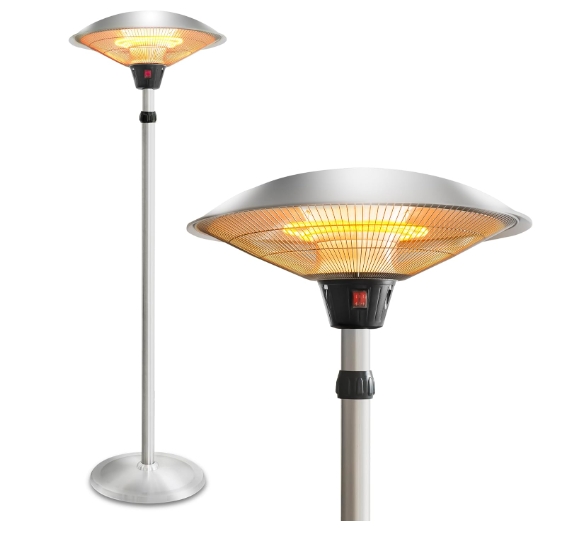
Keeping Your Bathroom Heater Safe When Things Get Steamy
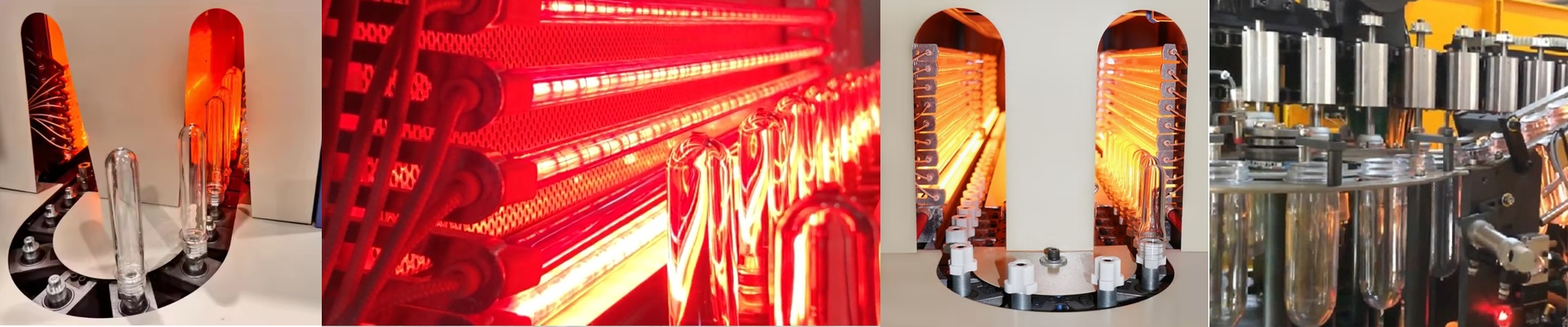
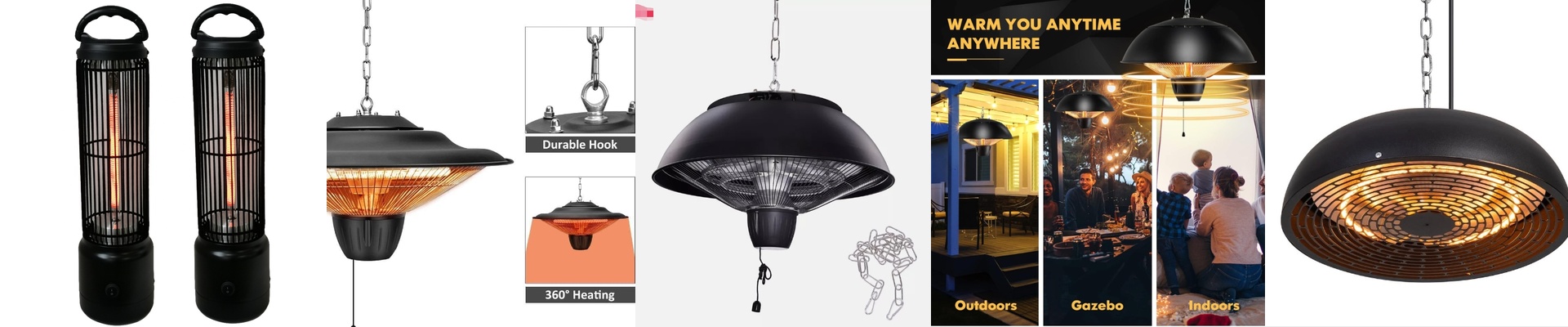
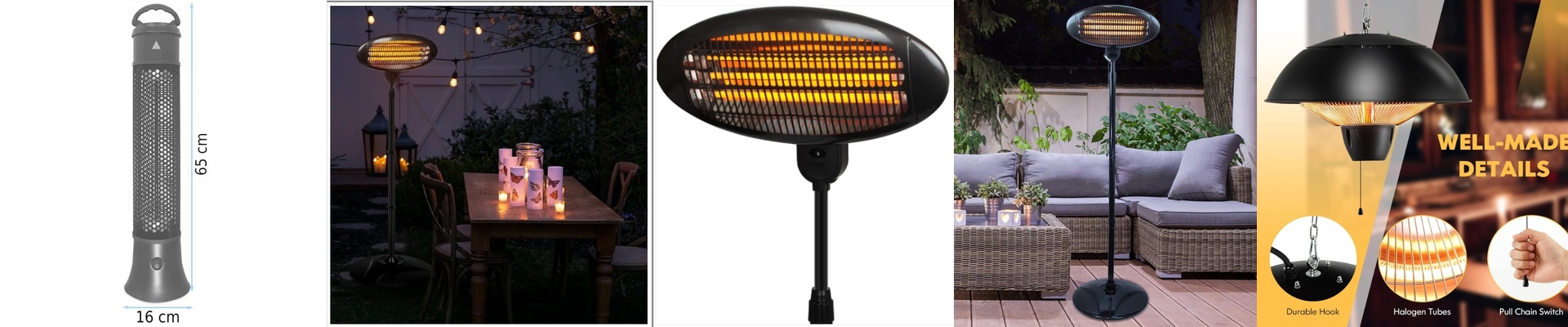
Putting an infrared heater in a bathroom is a bit of a gamble if you aren’t careful. You’ve got constant steam and moisture floating around, and water loves to find its way into places where electricity is flowing. That’s a recipe for a short circuit—or worse. Here is how we make sure our units don’t become a hazard.
Stopping the Leaks
First, we have to make sure the electricity stays exactly where it belongs. We use high-grade ceramic insulators at the lamp terminals so the current doesn’t “jump” to the outer shell. Then there’s the wiring. We don’t use cheap stuff. We spec moisture-resistant PVC or silicone jacketing. Why? Because heaters go through a constant cycle of getting scorching hot and then cooling down. Cheap insulation cracks under that pressure. Ours doesn’t.
The Battle Against Steam
Most heaters fail because they have a weak spot where the wires enter the unit. Steam is sneaky; it finds the smallest gap and crawls inside. Once moisture hits your junction box, you’ve got a problem. To stop this, we use compression glands and silicone gaskets. It basically creates a fortress. We build these to IP44 standards or higher, which is just a fancy way of saying that while the lamp is pumping out heat, the electrical guts stay bone-dry.
The Safety Net
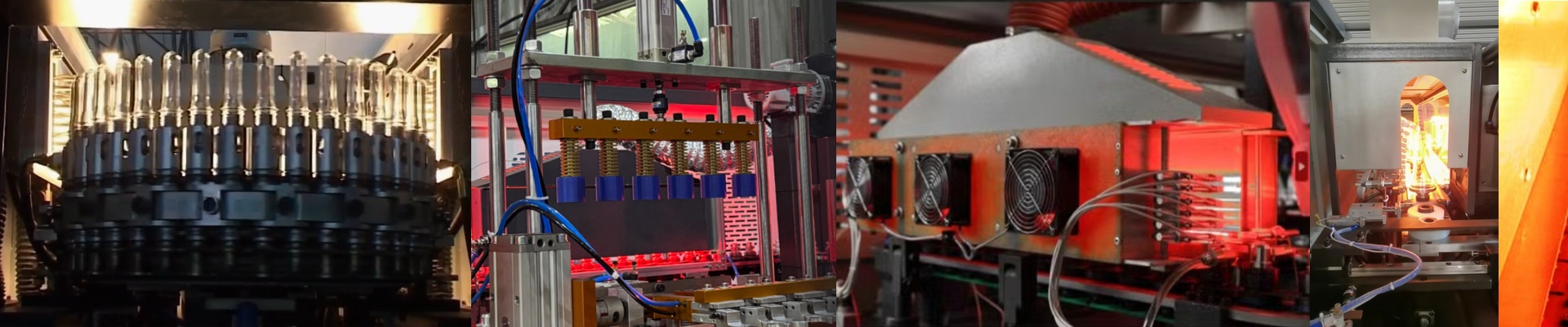
We don’t trust plastic to do all the heavy lifting. Every chassis is wired to a dedicated earth ground. Think of it as an insurance policy. If a seal fails or a part burns out, the ground wire trips the breaker immediately. It shuts everything down before anyone gets hurt. We use metal enclosures because they’re reliable, though they do require a much tighter fit to keep the heat from transferring to the wrong places.
A Quick Reality Check on Installation
Even the best heater in the world can’t fix bad wall wiring. If you try to run a high-wattage lamp through thin, low-gauge wires, those wires are going to overheat inside your walls. Not great. Just make sure your breaker can handle the lamp’s peak draw. Otherwise, you’ll be staring at a dark bathroom every time the heater tries to warm up.