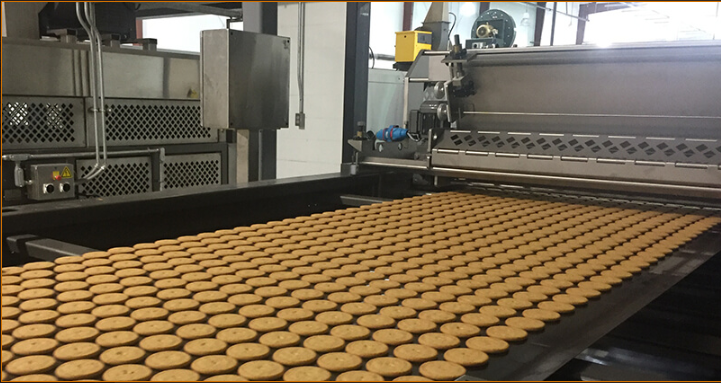
Why a Few Degrees Matter for Your Bread
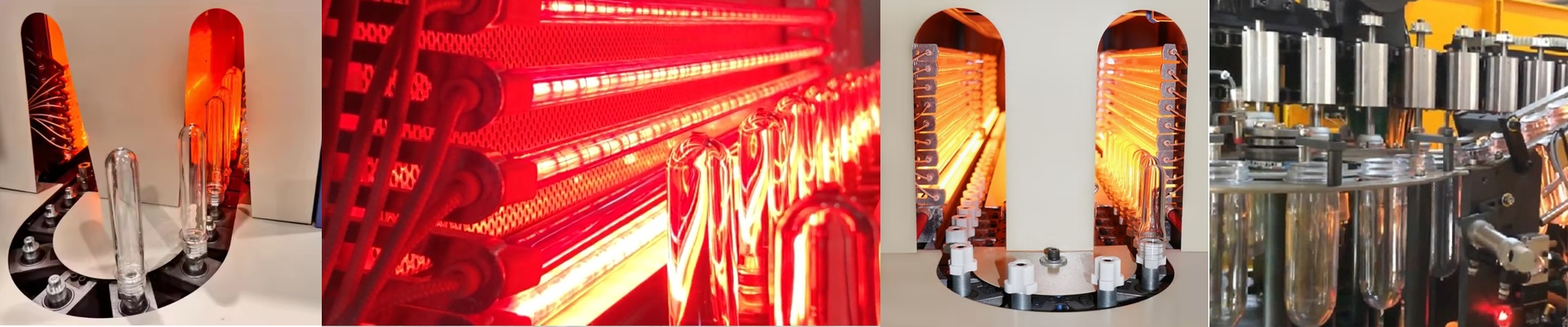
In a commercial bakery, one single degree is the difference between a perfect, golden-brown loaf and a burnt mess. It’s a tight window. That’s why we focus so much on precision radiant heating. We’re basically managing the “Maillard reaction”—which is just a fancy way of saying we’re controlling how that crust gets its color and that signature toasted flavor. The heat side of things Most ovens rely on short-wave infrared radiation. The goal here is to get the heat into the dough fast. Unlike convection, which just pushes hot air around, radiant heat hits the bread directly. It’s immediate. You can hit your target surface temperature in seconds. But here’s the catch: you have to get the wattage spread perfectly across the element. If your PID controller isn’t synced up with how fast the heater responds, you’ll get a temperature overshoot. And that’s how you ruin a batch of crusts. The gear we use We build our heaters with high-purity quartz glass. Why? Because it can handle the shock of heating up and cooling down rapidly without just snapping. We calibrate the filaments for specific voltage and wattage so the heat density actually fits the size of your oven. Plus, we use standard connectors. This means when it’s time for maintenance, you can just pop a new one in and get back to work. One heads-up, though. Those quartz tubes are powerful, but they’re fragile. If your oven frame vibrates too much or the tubes aren’t seated just right, they can fail early. It’s something to keep an eye on. Making it work on the line If you’re running a continuous conveyor, you can’t just have one big heat zone. You need precision. By splitting the radiant heaters into different zones, you can handle the “spring” phase and the final browning separately. It takes the guesswork out of the whole thing. You just set it, let the belt move, and you get the same great loaf every single time.