Why we add infrared elements to our rotary ovens
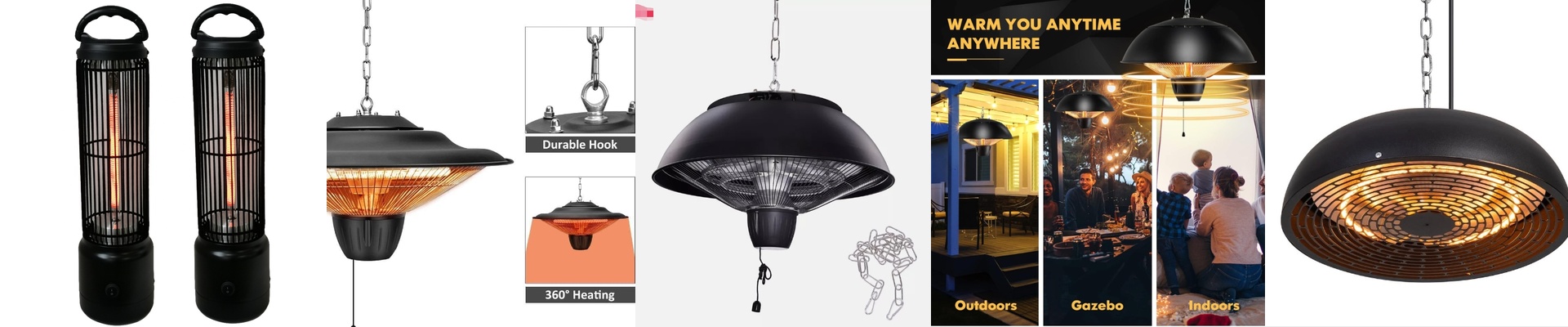
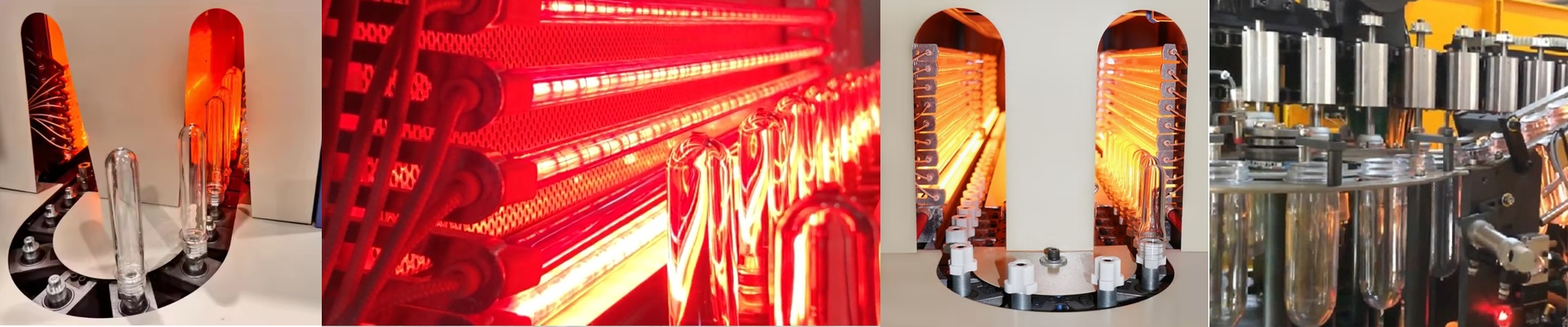
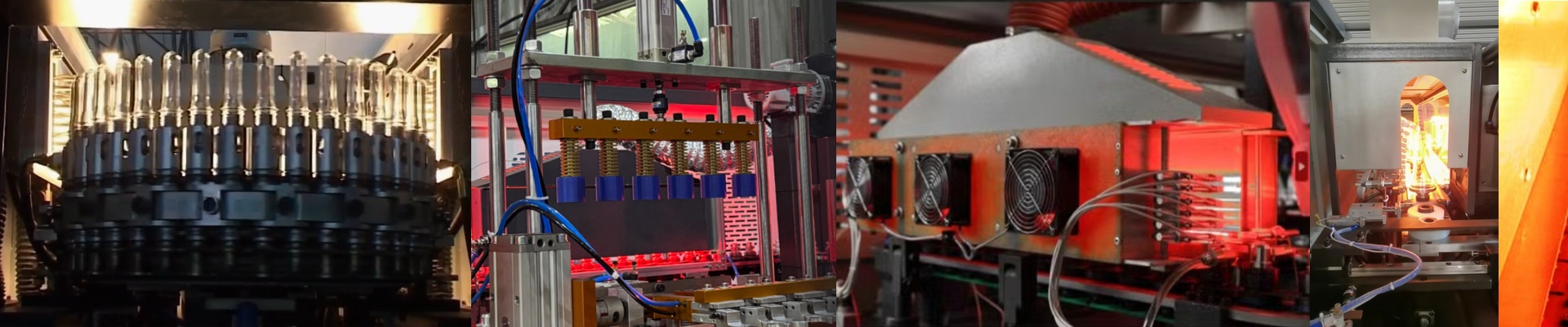
Most standard convection ovens just blow hot air around. Now, that works for a lot of things, but if you’re doing high-volume artisan baking, you’ll run into a problem. You end up drying out the inside of your bread just to get that deep, golden crust on the outside. It’s a frustrating trade-off. That’s why we put infrared (IR) elements into our rotary ovens. Instead of relying on the air to carry the heat, IR sends energy straight into the dough. The “Thermal Punch” Think of it this way: convection is like a warm breeze, but IR is like standing in the sun. It hits the surface of the dough instantly. Since the oven is rotating, your product is constantly moving through these heat zones. The IR elements give the bread a “thermal punch” that triggers a massive oven spring and a rich, dark crust. You just can’t get that kind of snap with hot air alone. Power and the Practical Stuff We don’t just throw these in blindly. We size the IR array based on how much you’re pumping out and how big your oven is. High-wattage elements are great because they recover heat fast—which is a lifesaver every time you open the door and let the heat escape. But there’s a catch. High power means a lot of current. If you’re using quartz or halogen tubes, you’ve got to make sure your wiring and contactors can actually handle the load. Otherwise, you’re looking at a burnout, and nobody wants that in the middle of a shift. Keeping Things Running The best part about these elements is how they react. They heat up and cool down almost instantly, so you have way more control over the bake. But they are a bit delicate. Quartz tubes don’t like being hit, and they definitely don’t like being splashed with cold water while you’re cleaning. Here’s a pro tip: keep them clean. If grease or carbon builds up on the tubes, you’ll get hot spots that can kill the element early. Just stick to a simple cleaning routine and they’ll last. When you get the IR settings dialed in, you stop fighting with the air temperature. You finally get to control the crust and the core as two separate things.