Getting the Heat Right in Rotary Ovens
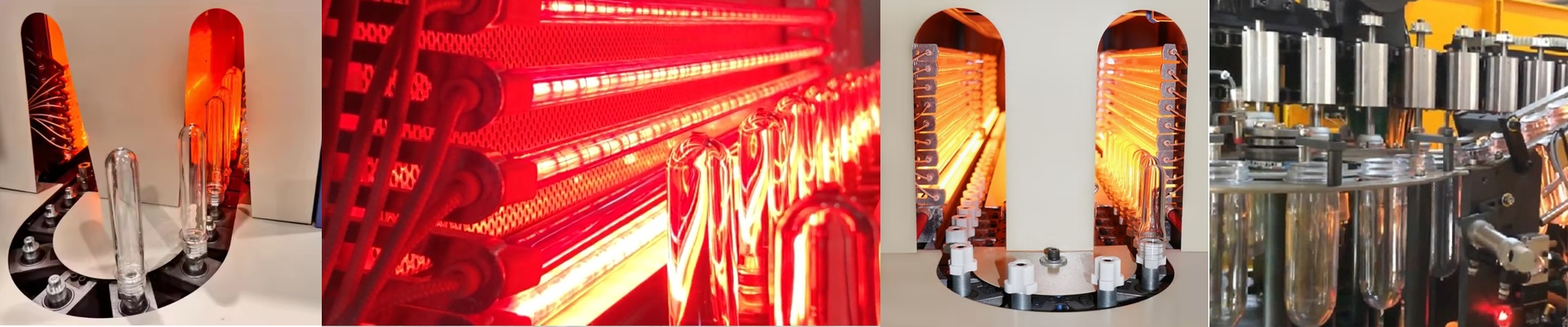
If you’ve ever worked with automated industrial kitchens, you know the struggle. You need a steady heat profile while your product is spinning, but getting that balance right is a nightmare. That’s where ceramic thermal elements come in. They aren’t just there to blast heat into the chamber. They work with a control loop to make sure you aren’t burning the outside of your food while the middle stays raw.
Why we go with ceramics
Standard alloys just can’t keep up. Ceramics are the way to go because they don’t crack or fail when the temperature swings wildly. In a rotary setup, your elements are cycling constantly. Ceramics handle that stress and pump out high-density heat, which means when you open the door and the cold air rushes in, the oven bounces back to the right temperature fast. But here’s the trick: you have to get the wattage right for your specific chamber size. Go too high? You’ll end up with hot spots that ruin your batch. Go too low? Your cycle times will drag on forever, and you’ll be staring at the clock wondering why things aren’t cooking.
Connecting the hardware to the brain
To make the infrared elements and the PLC actually talk to each other, it all comes down to where you put your sensors and how you tune the PID. We usually lean on K-type thermocouples or infrared pyrometers to feed live data back to the controller. This lets us use PWM or SCR control. Instead of a clunky on/off switch—which is basically like slamming on the brakes and then flooring the gas—the system just throttles the power. It’s a smooth glide. This stops that annoying “overshoot” that usually kills delicate products.
The trade-offs
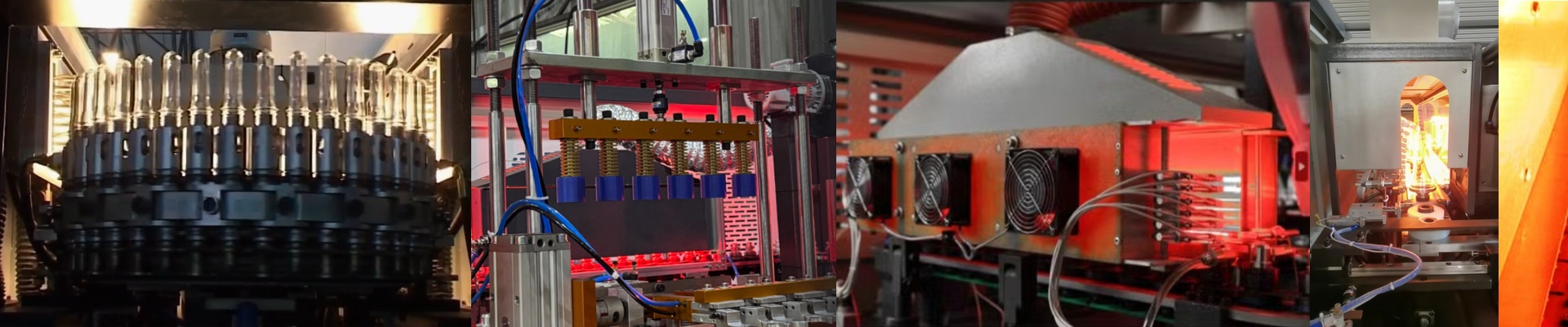
Of course, nothing is free. If you want that pinpoint precision, your wiring is going to get messy. You can’t just rely on one big heating zone if you want a uniform heat map. You have to wire the elements into several independent banks. Sure, more zones mean more sensors and a lot more cables running through the chassis. Your control panel is going to have a bigger footprint. But it’s the only way to stop the edges of the oven from running hotter than the center. It’s a bit more work upfront, but it’s the only way to get a perfect bake every single time.