
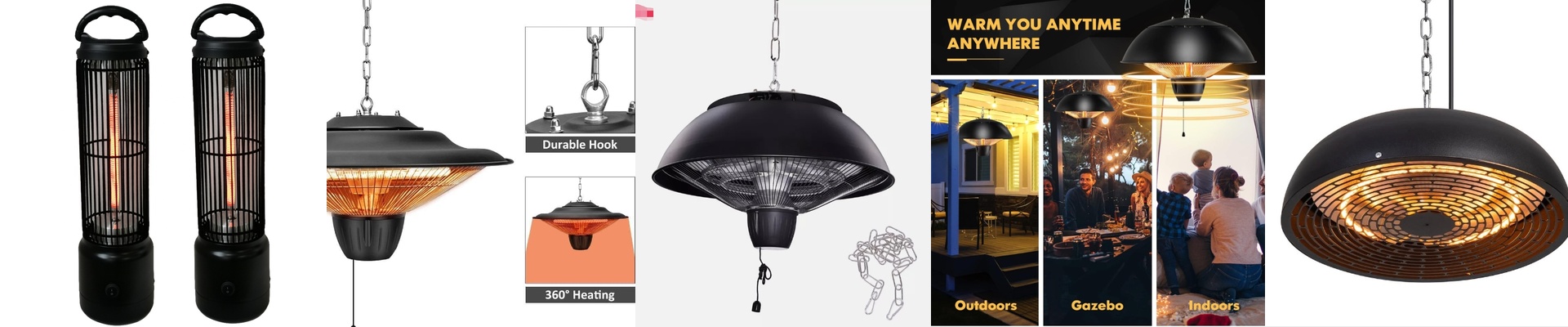


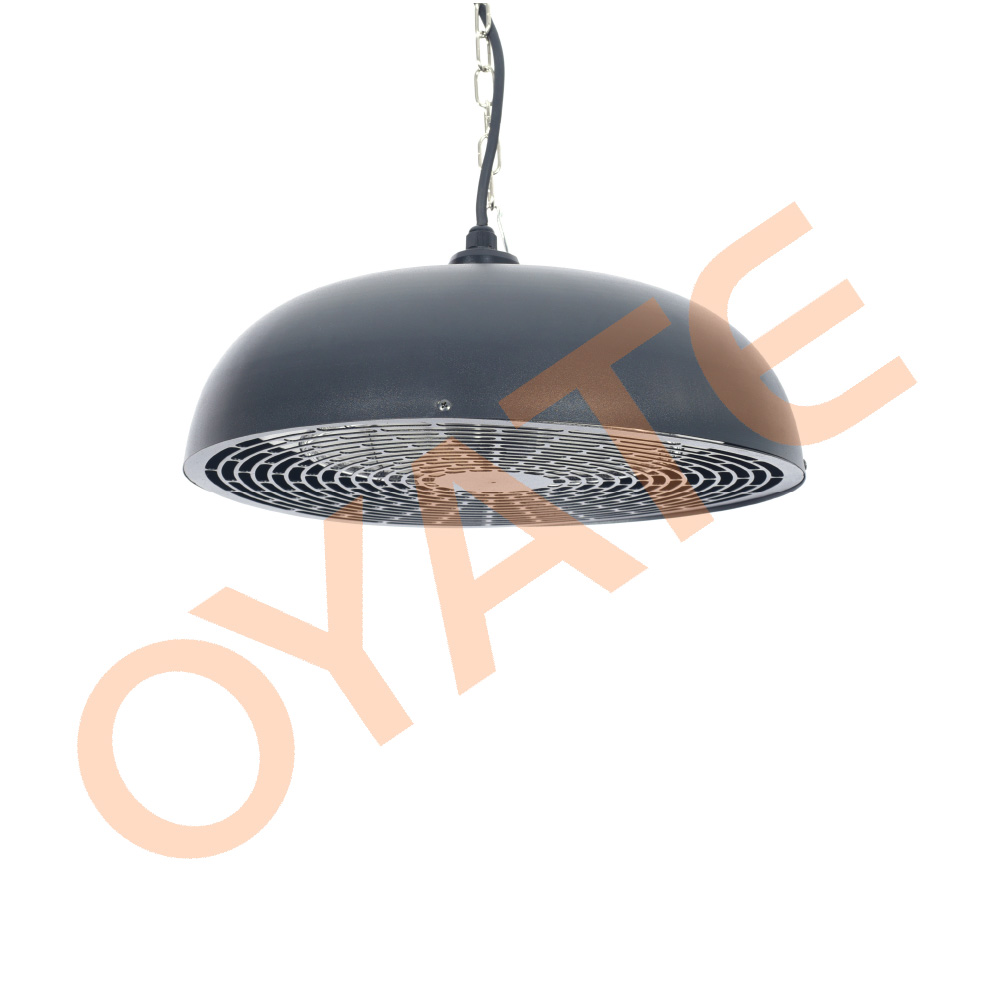
Stop the Bathroom Damp: A Real Talk on Infrared Heaters
Most people think bathroom heat lamps are just about not shivering when you step out of the shower. But if you look under the hood, they’re actually tools for fighting the environment. That’s where the IP55 rating comes in. In plain English? It means the internals won’t fry the moment a bit of steam or a stray splash of water hits them. It’s the bare minimum for anything you put near a shower.
Killing Mold Before It Starts
Here is the cool part. We don’t just use these lamps to warm up the air. We use specific infrared wavelengths—short-wave infrared, or SWIR—to go after the moisture itself. Mold loves those cold, damp corners where the air just sits. The infrared radiation actually vibrates the water molecules on your tiles and ceiling, forcing that condensation to evaporate way faster. It’s basically dehumidifying your room without a loud, clunky machine. By keeping the surfaces warm and dry, mold spores never get a chance to move in. You aren’t just warming your toes; you’re keeping your walls healthy.
The Nitty-Gritty Stuff
Getting that IP55 rating isn’t magic. It takes a really tight seal around the housing and the wiring. We use high-temp gaskets because steam is sneaky—it’ll find any tiny gap to leak into the electrical terminals if you aren’t careful. One thing to watch out for: heat load. These tubes put out a lot of intense, localized heat. If the housing is too cramped or your bathroom has zero airflow, you might trip the thermal cut-offs. It’s all about finding that sweet spot between “toasty” and “too hot.”
What You Need to Know for Installation
These aren’t “plug and play” fixtures. If you want them to actually stop the damp, you have to put them where the moisture hides. If a shower curtain or a wall partition is blocking the lamp, the energy can’t hit the walls. No line of sight, no drying. Simple as that. Also, please, make sure your contractor uses moisture-resistant cabling and gets the grounding right. If a seal fails and the wiring is cheap, you’re looking at a ground fault. It’s a quick fix during install that saves you a massive headache (and a potential fire) later.