Making Sure Your PET Lamps Actually Fit
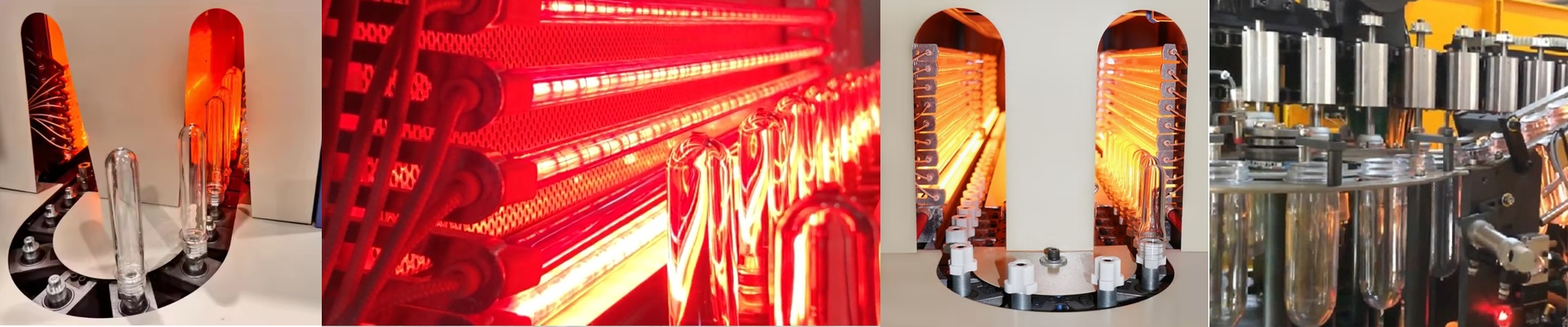
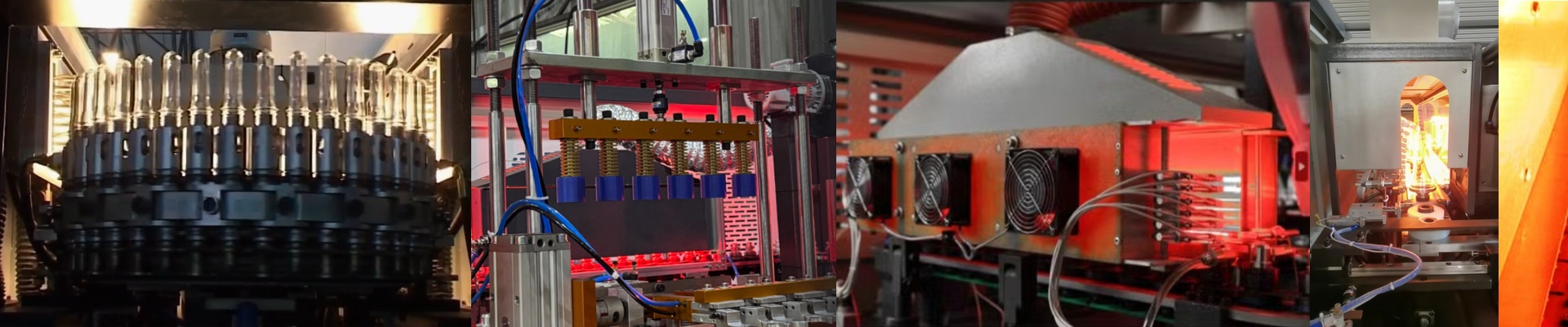
We’ve made it our mission to build infrared lamps that just work. If you’re running a PET blowing machine, there’s a 95% chance our lamps will slide right in without any fuss. We aren’t trying to force a “generic” part into your machine. Instead, we just stick to the exact physical and electrical blueprints the big OEM brands use. It’s about keeping things simple.
The Deal with Power and Voltage
Here’s the thing: if you want your preforms to hit the right temperature without lagging, your wattage and voltage have to be in sync. We build our lamps to handle the heavy lifting of industrial loads—usually anywhere from 230V to 400V. If you’re dealing with those thick-walled preforms, a 400V high-density tube is your best bet for a fast, deep heat soak. Just a heads-up: double-check that your wiring and power supply can handle the load. If they can’t, you’re just asking for the filaments to burn out early.
The Nitty-Gritty on Materials
We use high-purity quartz glass and fill the tubes with halogen gas to get the most heat possible. The halogen does something clever—it stops the tungsten from evaporating too fast, which means your lamps last a lot longer. As for the fit? We use the standard R7s and SK15 connectors. Think of these as the anchors of the industry. If a pin is off by even a fraction of a millimeter, you’ll get arcing or a shaky connection. That’s why we keep our tolerances incredibly tight. You should be able to swap a lamp out without having to mess around with the machine frame.
Real-World Advice
These lamps are great at pumping out the short-wave IR radiation needed to soften plastic fast. But all that power creates a lot of heat. If your cooling fans are clogged with dust or just aren’t pulling enough air, the housing will overheat. When that happens, the quartz envelope takes a hit, and your lamp’s lifespan plummets. Keep your airflow clear. It’s the easiest way to make sure you get every hour of service out of those tubes.