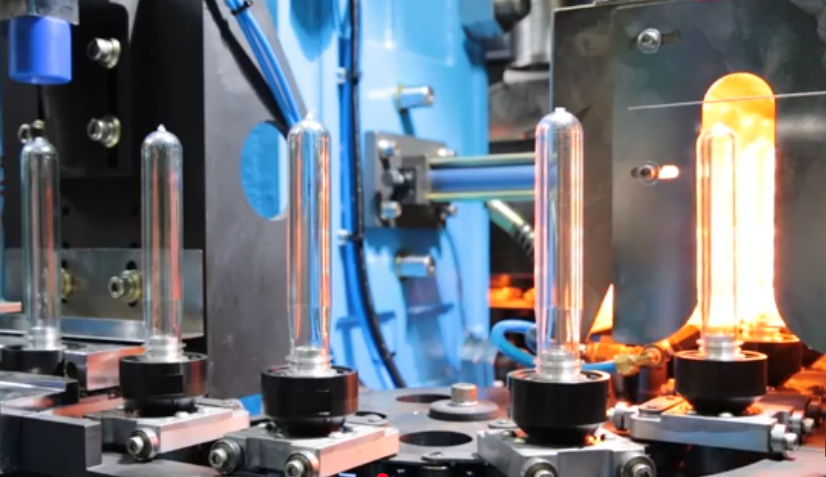
Can a simple lamp swap actually speed up your PET production?
Let’s be honest: a lot of shop floors are running older PET blow molders from those mid-tier brands. They work, but they just can’t seem to hit the cycle times you need. It’s easy to assume the machine is just “too old” and that you’ve hit a wall. But usually, the bottleneck isn’t the mechanical parts. It’s the oven.
It’s all about the heat
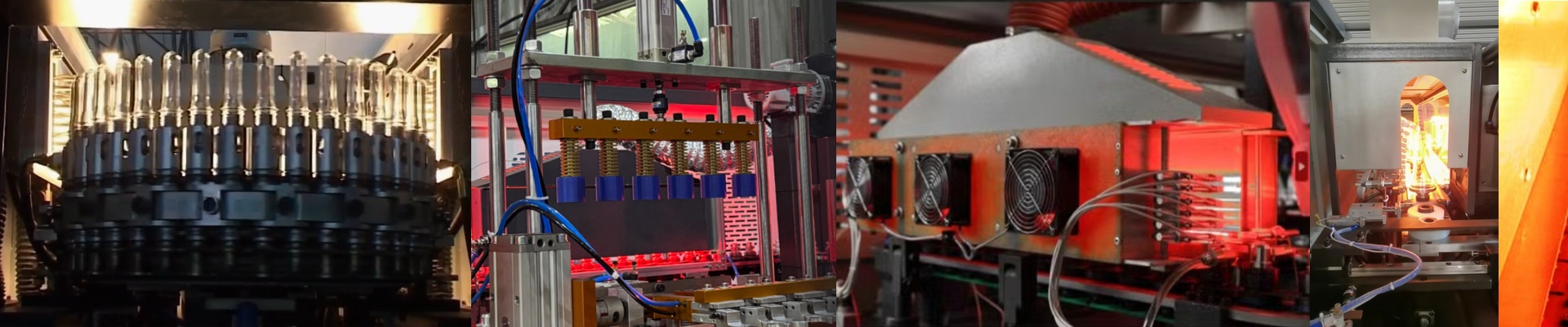
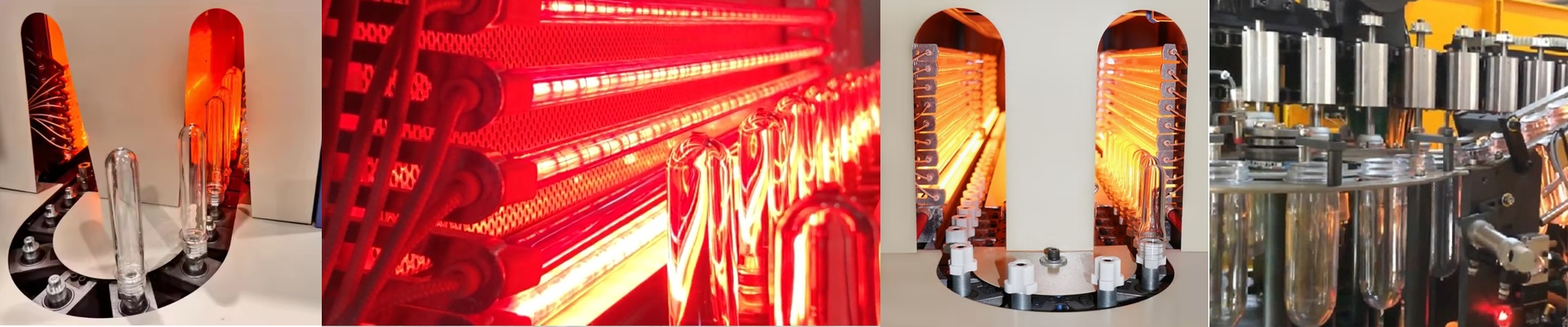
Here is the thing: PET resin only likes certain wavelengths of heat. We design our replacement lamps to hit those exact spots. When you swap out those old, dim lamps for new high-wattage quartz tubes, you’re basically packing more heat into every millimeter. The preform gets up to temperature faster. If you switch to a high-output halogen version, you might shave a few fractions of a second off the heating phase. It doesn’t sound like much. But over thousands of bottles? It adds up fast.
No headaches with installation
Nobody wants to spend a weekend rewiring a control cabinet. That’s why we keep these simple. We use heavy-wall quartz glass so the tubes don’t warp when things get hot. Most of them use standard R7s or Sk15 connectors, meaning they just drop right in. Whether you’re running 220V or 400V, we’ve got the voltage covered. You just plug them in and get back to work.
The catch: Watch your cooling
Now, there is a trade-off. More wattage means faster heat, but it also makes the inside of the oven a lot hotter. If you go with a lamp that’s way more powerful than the original, your cooling fans need to keep up. If the oven gets too hot, you’ll start seeing those annoying burnt spots or that cloudy “pearlescence” on the bottle walls.
A quick tip on maintenance
I always suggest auditing your lamp hours. When one lamp dims or burns out, your whole heating profile gets wonky. By replacing the entire bank at once, the heat stays uniform across every single cavity. Less scrap. Fewer headaches. And you can finally crank up the machine speed without worrying if the preforms are actually hot enough.